Business
UK Grocery Inflation Rises to 4.3 Percent as Food Price Pressures Return

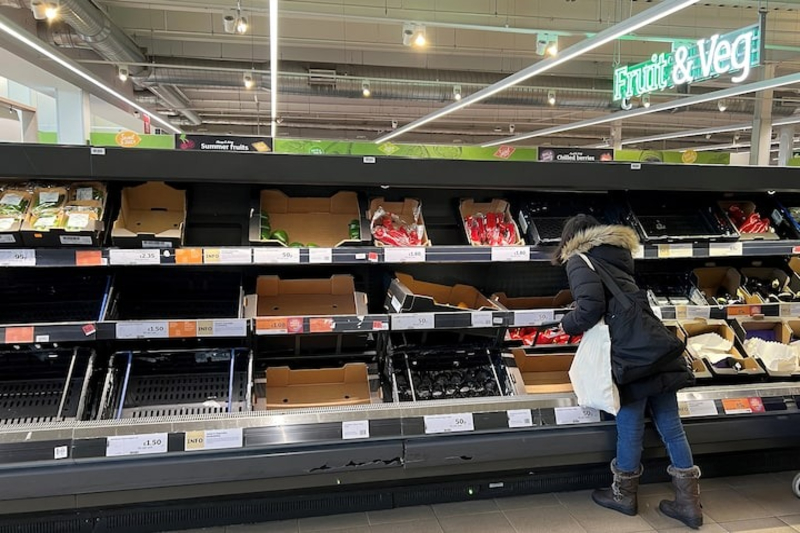
UK grocery inflation edged higher to 4.3 percent in the four weeks to February 22, according to new data from market research firm Worldpanel by Numerator, signalling renewed pressure on household budgets after a brief easing at the start of the year.
The figure marks an increase from 4.0 percent in the previous report, which had represented a nine month low. The latest reading provides an early snapshot of food price trends ahead of official inflation data due later this month.
Rising prices in key categories such as fresh unprocessed meat, skin care products and chocolate confectionery contributed most to the uptick. In contrast, prices for items including chilled butter and spreads, household paper goods and sugar confectionery declined over the same period.
Food costs are closely watched by policymakers and consumers alike, as they directly affect weekly shopping bills and influence broader inflation expectations. The Bank of England monitors grocery inflation carefully, given its impact on household sentiment and wage negotiations. Britain’s headline inflation rate stood at 3 percent in January, down from recent peaks but still above the central bank’s 2 percent target.
Separate figures from the British Retail Consortium showed overall shop price inflation slowed to 1.1 percent in February, with food inflation easing to 3.5 percent. The divergence between measures highlights the complexity of current pricing dynamics across the retail sector.
Supermarket performance over the 12 weeks to February 22 revealed shifting competitive trends. Tesco strengthened its position as the industry leader, with sales rising 4.5 percent year on year and market share increasing to 28.7 percent. Sainsbury’s also recorded solid growth, with sales up 5.2 percent and market share reaching 16.1 percent.
Discount retailers continued to attract shoppers seeking value. Lidl remained the fastest growing bricks and mortar supermarket, posting a 10 percent rise in sales. Online grocer Ocado reported the strongest overall growth at 15.1 percent, reflecting continued demand for digital grocery services.
By contrast, Asda experienced a 2.6 percent decline in sales, reducing its market share to 11.5 percent. The performance places pressure on the retailer as competition intensifies across both discount and premium segments.
The slight rebound in grocery inflation comes amid broader economic uncertainty, including fluctuating energy prices and evolving global supply conditions. Although food inflation remains well below the double digit levels seen during the height of the cost of living crisis, any renewed upward movement is likely to be felt quickly by consumers.
With food and energy costs central to household spending, upcoming official inflation data will be closely scrutinised for signs of whether price stability is strengthening or if further volatility lies ahead.