News
UK Government Announces Major Overhaul of Special Needs Education System

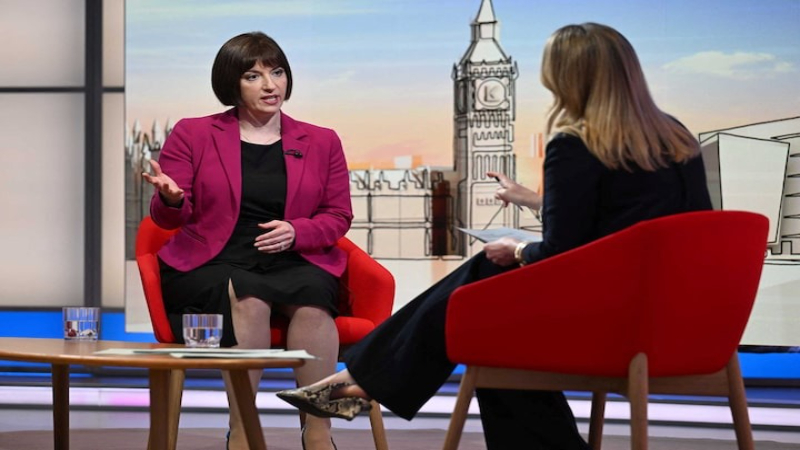
The UK government has unveiled sweeping reforms to England’s special educational needs and disabilities system as rising demand and spiralling costs place mounting pressure on local authorities and schools.
Education Secretary Bridget Phillipson said the changes are designed to make the system more sustainable while improving early support for children. The reforms come after years of warnings that the current structure is financially unsustainable, with spending on special needs provision rising sharply over the past decade.
According to official figures, around 1.7 million pupils in England are now identified as having special educational needs, up significantly from 1.3 million in 2014. Of those, approximately 500000 children had an Education Health and Care Plan in 2025, marking another year of double digit growth. The annual budget for SEND provision has increased to 10.7 billion pounds, a rise of 58 percent over ten years.
Earlier this month, ministers moved to write off the majority of historic SEND related deficits held by local councils after many warned they were at risk of insolvency. The government has also committed to taking on the full cost of SEND provision from 2028 in an effort to stabilise local authority finances.
Under the new plans, Education Health and Care Plans will remain in place for children with the most complex needs. However, a new Individual Support Plan will be introduced for pupils who require additional help but do not meet the threshold for an EHCP. The Department for Education says this will allow schools to respond more quickly and flexibly to emerging needs without families facing lengthy assessment processes.
The reform package includes a 4 billion pound investment over the next three years. Of that, 1.8 billion pounds will fund a national pool of specialists, including SEND trained teachers, educational psychologists and speech and language therapists. These professionals will be made accessible to schools regardless of whether a child has a formal plan in place.
Phillipson said the goal is to shift the focus toward earlier intervention and greater inclusion within mainstream schools. She argued that too many children have felt sidelined by the current system and that the reforms aim to ensure they are seen, heard and properly supported.
Campaigners and teaching unions have responded cautiously. Some warn that while reform is necessary, there is a risk that cost control could take precedence over adequate provision. Matt Wrack, general secretary of the NASUWT teaching union, described the funding as insufficient compared with the scale of the challenge facing schools.
Parents’ groups have also raised concerns about how the new Individual Support Plans will be implemented and whether they will carry the same legal protections as EHCPs. For many families, statutory plans have been the only guaranteed route to secure specialist services.
The government says further details will be set out in draft legislation later this year as it seeks to rebalance a system under intense financial and social strain.