Latest News
UK Coordinates With Airlines to Increase Evacuation Flights From Oman

The United Kingdom is working closely with commercial airlines to increase flight capacity from Muscat as part of efforts to support the evacuation of vulnerable British nationals from the Gulf region.
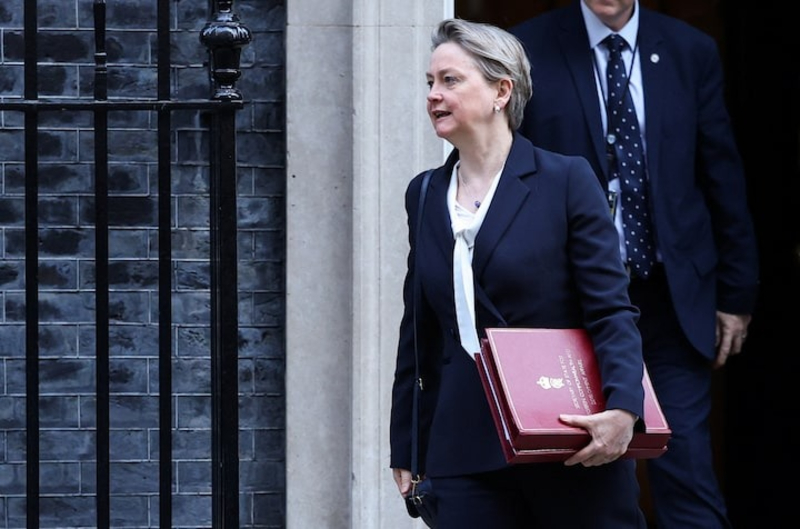
Foreign Secretary Yvette Cooper told Parliament that the government is taking urgent steps to assist citizens who have registered their presence in the region amid rising tensions linked to the widening conflict in the Middle East. According to official figures, around 130,000 British nationals have now registered in Gulf countries, reflecting growing concern among expatriates and travellers.
Cooper confirmed that discussions are underway with airlines to expand available seats on flights departing Oman’s capital. The priority will be given to vulnerable individuals, including families, elderly citizens and those with medical needs. She emphasised that British nationals in Oman should wait for direct communication from the Foreign Office regarding specific evacuation arrangements.
A government charter flight is expected to depart from Muscat in the coming days, focused on those assessed as most at risk. The move comes as regional airspace and travel routes face disruption following increased military activity and security alerts across parts of the Middle East.
British Airways, owned by International Airlines Group, has confirmed it will operate a flight from Muscat to London Heathrow later this week. Additional commercial capacity is also being reviewed depending on demand and operational conditions on the ground.
The Foreign Office has been in close contact with Gulf governments to coordinate logistics and ensure safe passage for British nationals. Officials are monitoring developments across the region, including airport operations, airspace restrictions and potential security threats that could affect travel.
Oman has long been regarded as a stable gateway in the region, and Muscat International Airport remains operational. However, the broader security environment has prompted precautionary measures by several governments seeking to facilitate voluntary departures.
The UK government has urged citizens in affected areas to follow official travel advice and maintain regular contact through the Foreign Office registration system. Travellers are advised to keep documentation up to date and monitor airline communications for changes to schedules.
The situation highlights the growing role of coordinated civil aviation planning during periods of geopolitical tension. Governments often rely on partnerships with commercial carriers to supplement charter operations, particularly when rapid capacity increases are required.
With regional tensions continuing to evolve, British authorities are expected to provide further updates as evacuation plans are implemented. The focus remains on ensuring that those most vulnerable can leave safely while maintaining clear communication channels with citizens across the Gulf.