News
UK considers major overhaul of jury trials as government weighs limits on centuries-old right

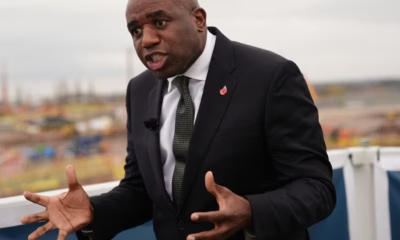
The UK government is examining sweeping changes to the justice system that could sharply reduce the use of jury trials, preserving them only for the most serious offences such as murder, manslaughter and rape. Justice Secretary David Lammy is exploring measures that would restrict automatic access to a jury and introduce a new tier of courts where most cases would be decided by judges rather than jurors.
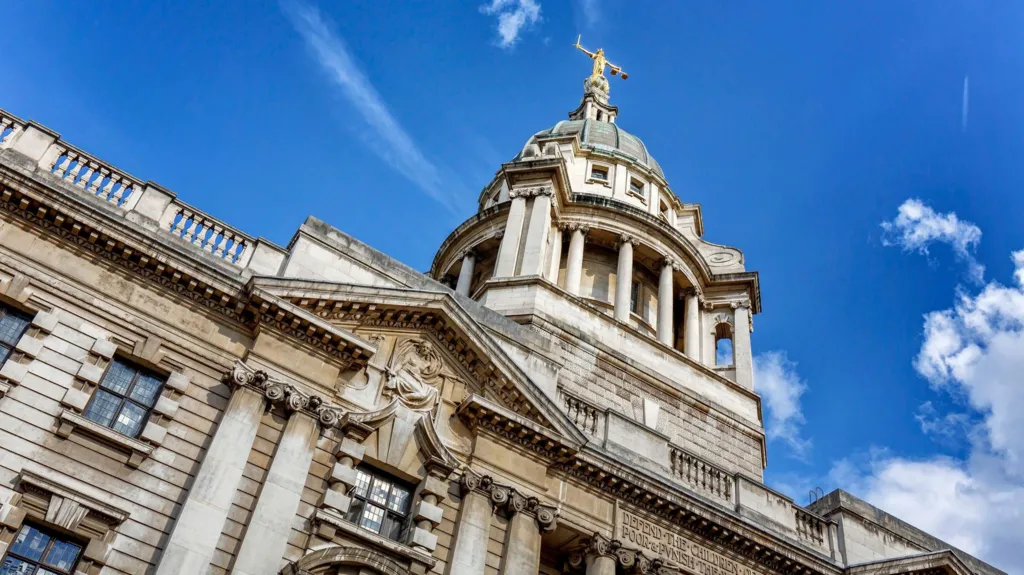
According to an internal Ministry of Justice briefing shared across Whitehall and obtained by BBC News, ministers are considering the creation of a new jury-less court structure for England and Wales. This proposal would shift many cases currently heard in the Crown Court to a new system where judges, or judges sitting with magistrates, would preside over trials without a jury. The government says the plan aims to tackle unprecedented delays and a severe backlog that has left more than seventy eight thousand criminal cases awaiting completion.
The document indicates that Lammy, who also serves as deputy prime minister, wants Parliament to end jury trials for defendants facing potential sentences of up to five years. He is also considering allowing judges to handle fraud and financial crime cases alone if they are deemed highly technical or expected to run for long periods. The only exceptions guaranteed for jury involvement would be murder, manslaughter, rape and cases where there is a strong public interest in maintaining a jury.
The Ministry of Justice has stressed that no final decision has been made, but officials warn that without major reforms the Crown Court backlog could climb above one hundred thousand cases by the end of the decade. Current delays are so severe that suspects charged today may not face trial until late 2029 or early 2030.
The proposals follow recommendations made earlier this year by retired Court of Appeal judge Sir Brian Leveson, who suggested creating a new criminal court tier known as the Crown Court Bench Division. His model would have allowed judge-only trials for cases carrying sentences of up to three years. According to the leaked briefing, Lammy’s preference is to go further in order to achieve larger reductions in delays.
If approved, the CCBD would sit between magistrates’ courts and the traditional Crown Court, hearing cases likely to result in sentences of up to five years. Most serious offences outside of violent crime and sexual offences would be tried by judges without a jury. Government officials say this would free up Crown Court capacity while still maintaining fairness in the justice system.
However, the proposals have sparked concern within the legal profession. Riel Karmy Jones KC, chair of the Criminal Bar Association, said the reforms would not address the real causes of the backlog. She argued that long term underfunding and neglect are to blame, not the presence of juries, warning that removing them from serious cases risks undermining a justice system that has been a defining feature of British law for centuries.
An official announcement is expected in December if the proposals receive full government approval, with legislation to follow early next year.