Business
UK Brings in Junk Food Advertising Ban in Major Push Against Childhood Obesity

New rules reshape food advertising landscape
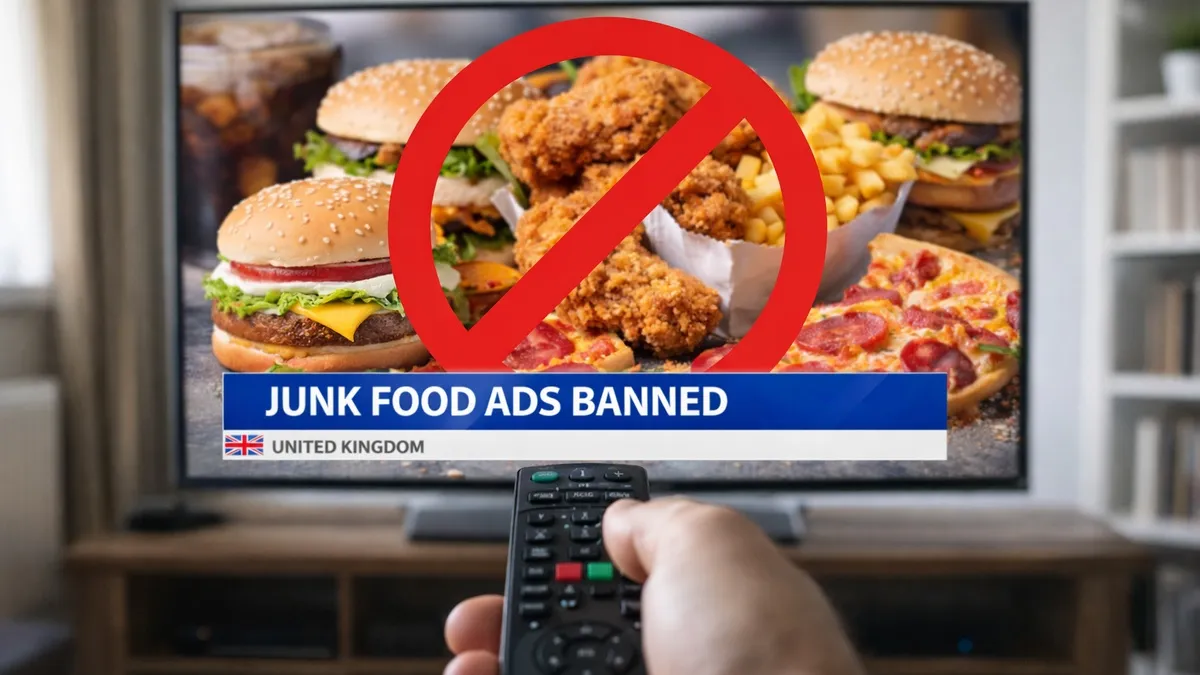
A sweeping ban on junk food advertising has officially come into force across the UK, marking one of the most significant public health interventions in recent years. From Monday, adverts for food and drink high in fat, salt and sugar are no longer allowed on television before 21:00 and are prohibited online at all times. The policy reflects growing concern over rising childhood obesity rates and the role marketing plays in shaping eating habits from an early age.
The restrictions apply nationwide and target products considered to be the strongest contributors to poor childhood diets. These include sugary soft drinks, chocolates, sweets, pizzas and ice creams, items that are heavily promoted through colourful and persuasive advertising.
Why childhood obesity is driving policy change
Childhood obesity has become a persistent challenge for the UK health system. Public health experts have repeatedly warned that early exposure to unhealthy food marketing increases the likelihood of long term weight related health issues, including diabetes and heart disease. Children are particularly vulnerable to advertising, especially in digital environments where content is highly personalised and constantly accessible.
By limiting when and where junk food can be promoted, policymakers aim to reduce the pressure on children and parents alike. The ban is designed to shift the food environment rather than rely solely on individual choice, recognising that marketing power often outweighs nutritional education.
What foods are affected by the ban
The rules focus on HFSS products, a classification used by regulators to identify foods with high levels of fat, salt or sugar. These products are viewed as offering little nutritional value while contributing significantly to excess calorie intake among children.
Brands selling healthier alternatives are not affected, and companies can still advertise non HFSS items freely. The distinction is intended to encourage reformulation, with some manufacturers already reducing sugar or salt levels to avoid falling under the restricted category.
Impact on broadcasters and digital platforms
The advertising ban has major implications for broadcasters, streaming services and social media platforms. Food advertising has long been a reliable source of revenue, particularly during family friendly programming and online content aimed at younger audiences.
Digital platforms now face stricter responsibility for monitoring sponsored content, influencer marketing and targeted adverts. This represents a shift toward greater accountability in online spaces, where enforcement has historically been more complex than on traditional television.
Industry response and criticism
Food and advertising industries have expressed concern about the economic impact of the ban, arguing that it could reduce revenue without guaranteeing improved health outcomes. Some companies claim that education and physical activity should be prioritised over advertising restrictions.
Supporters of the policy counter that evidence consistently shows a link between exposure to junk food advertising and unhealthy eating patterns. They argue that voluntary measures have failed to deliver meaningful change, making regulation necessary.
What this means for families and public health
For families, the change may gradually reduce the number of unhealthy food cues children encounter during screen time. While the ban will not eliminate junk food consumption, it is expected to support healthier norms and reduce demand driven by advertising rather than hunger.
Public health officials see the measure as part of a broader strategy that includes school nutrition standards and clearer food labelling. Its success will likely be judged over several years as data on childhood obesity trends becomes available.
The ban signals a clear shift in how governments view the relationship between advertising, technology and public health. Whether it delivers lasting impact will depend on enforcement, industry adaptation and wider cultural change around food.