
News
Two climbers die after fall on New Zealand’s highest peak

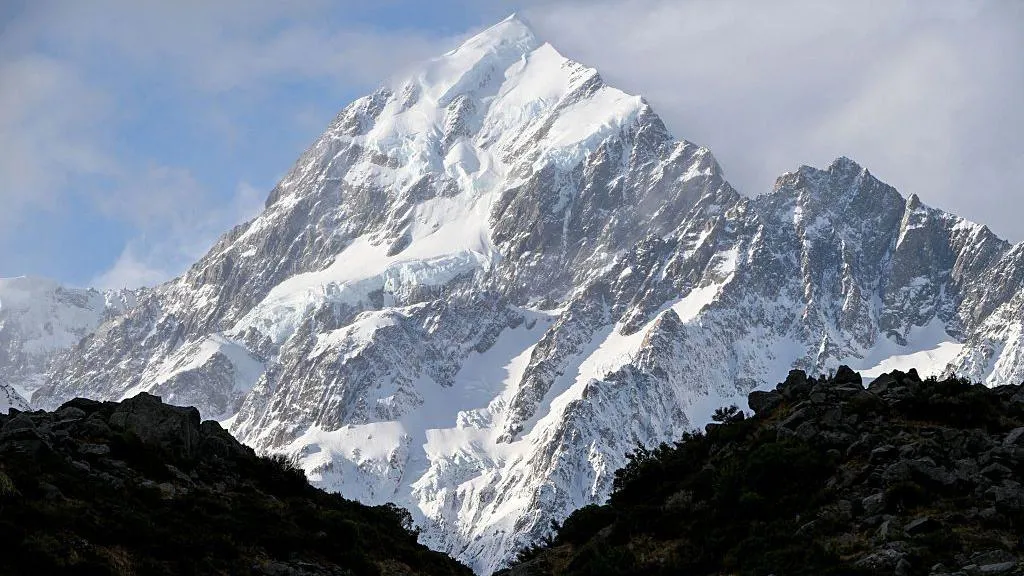
Two climbers have died after falling while attempting to reach the summit of Aoraki Mount Cook, New Zealand’s highest and most challenging mountain. The pair were part of a group of four tackling the 3,724-metre peak, known for its treacherous terrain, deep crevasses, and sudden weather shifts. The other two climbers survived and were rescued by helicopter early on Tuesday after they alerted emergency services the previous night.
Rescue teams located the bodies of the deceased climbers hours later. They were still connected by their climbing harness, indicating that the fall had occurred while they were roped together. Authorities say that recovering the bodies will be difficult due to the steep, icy environment and unstable conditions that make the area extremely risky for search operations.
The names of the climbers have not been officially released, but New Zealand media outlet Stuff reported that one of those who died was a well known mountain guide with international experience. The report has added to the sense of shock in the climbing community, which is accustomed to the dangers of Aoraki but still deeply affected whenever tragedy strikes.
The incident comes nearly a year after three climbers from the United States and Canada went missing on the same mountain. They were never found despite a prolonged search effort and were later declared dead. Authorities leading that operation said severe storms and poor visibility hindered the mission, underscoring the unpredictable and often unforgiving nature of the mountain.
Aoraki Mount Cook has long been regarded as one of the most demanding climbs in the Southern Alps. The route requires experience, specialised equipment and favourable weather, yet even the most skilled mountaineers are not immune to its hazards. According to ClimbNZ, the country’s alpine information network, fatalities are recorded almost every climbing season, reflecting the constant level of risk faced by those attempting the ascent.
Experts say conditions on the mountain can shift rapidly, with strong winds, heavy snowfall and ice collapses posing immediate danger. The combination of altitude, steep glacier faces and narrow ridgelines makes the climb physically and mentally demanding. Guides often advise climbers to prepare thoroughly, monitor weather updates closely and avoid pushing ahead when conditions deteriorate.
Authorities continue to work on retrieving the bodies of the two climbers, though no timeline has been given due to the difficult landscape. Rescue teams involved in the operation say their priority is ensuring the safety of personnel while bringing closure to the families of the victims.
The latest tragedy serves as a reminder of the risks associated with high altitude climbing in New Zealand’s alpine regions, where beauty and danger coexist on some of the world’s most striking mountain ranges.



