Business
Trump Wants Venezuela’s Oil. Will His Plan Work?

Trump’s strategy and the Venezuela gamble
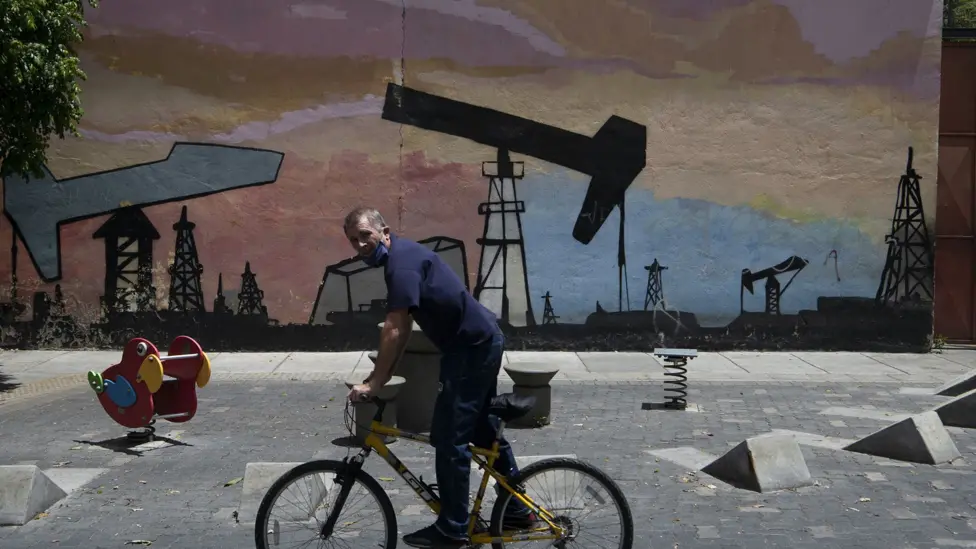
US President Donald Trump has made no secret of his ambition to unlock Venezuela’s vast oil reserves, presenting it as both an economic opportunity and a geopolitical reset. Following the capture of Venezuelan leader Nicolás Maduro, Trump has claimed the United States will oversee the country until what he describes as a safe political transition. Central to that vision is oil. Venezuela sits atop the largest proven crude reserves in the world, yet produces only a fraction of its potential output.
Trump’s plan hinges on encouraging American energy companies to invest billions of dollars into reviving Venezuela’s oil industry. Supporters argue that US capital and technical expertise could rapidly restore production while weakening the influence of rival powers. Critics, however, warn that the proposal oversimplifies both Venezuela’s internal challenges and the complexity of rebuilding a collapsed energy sector.
Why Venezuela’s oil matters so much
Venezuela’s oil wealth has long been viewed as a strategic prize. Decades ago, it was one of the world’s top exporters, supplying crude primarily to the United States. Years of mismanagement, sanctions and political turmoil have since left refineries outdated and production capacity severely damaged. Infrastructure failures, skilled worker shortages and debt burdens continue to weigh heavily on the industry.
For Washington, renewed access could help stabilize global energy supply and strengthen US influence in Latin America. For American oil firms, the lure is clear. Control over even a portion of Venezuela’s reserves would represent a long term asset with enormous upside, especially in a world where energy security remains a top concern.
The obstacles facing Trump’s plan
Despite the bold rhetoric, turning Venezuela into a functional oil producer again will not be quick or cheap. Restarting large scale operations requires years of investment, regulatory clarity and political stability. Even companies experienced in difficult environments would face risks related to security, contract enforcement and public backlash.
There is also the question of legitimacy. Running a foreign country during a transition period raises legal and diplomatic concerns. Regional governments and international organizations may resist US control, complicating cooperation and slowing progress. Without broad recognition, attracting sustained foreign investment becomes significantly harder.
Market reactions and investor expectations
Financial markets have already reacted to the possibility of change. Shares in major US oil companies such as Chevron have climbed on speculation that sanctions could ease and operating licenses expand. Investors are pricing in future access rather than immediate profits, reflecting confidence that political momentum may eventually translate into energy deals.
At the same time, safe haven assets like gold have risen, signaling unease about geopolitical fallout. This mixed response shows that while markets see opportunity, they also recognize the risks embedded in Trump’s approach.
Will oil revival translate into success
Whether Trump’s plan works depends on execution rather than intent. Securing Venezuela’s oil sector requires rebuilding institutions, restoring infrastructure and gaining international buy in. Even under ideal conditions, production growth would be gradual, not explosive.
If these hurdles can be addressed, Venezuela’s oil could re emerge as a global force and reshape energy markets. If not, the plan may remain more political slogan than economic reality. For now, Trump’s vision highlights the enduring power of oil in global strategy, while underscoring how difficult it is to convert resource wealth into lasting stability.