Politics
Trump Steps Up Asia Diplomacy With China Envoy Meeting and Japan Talks on Taiwan

Trump Meets US China Envoy After Japan Call as Taiwan Drills Conclude
Diplomatic engagements cluster at a sensitive moment
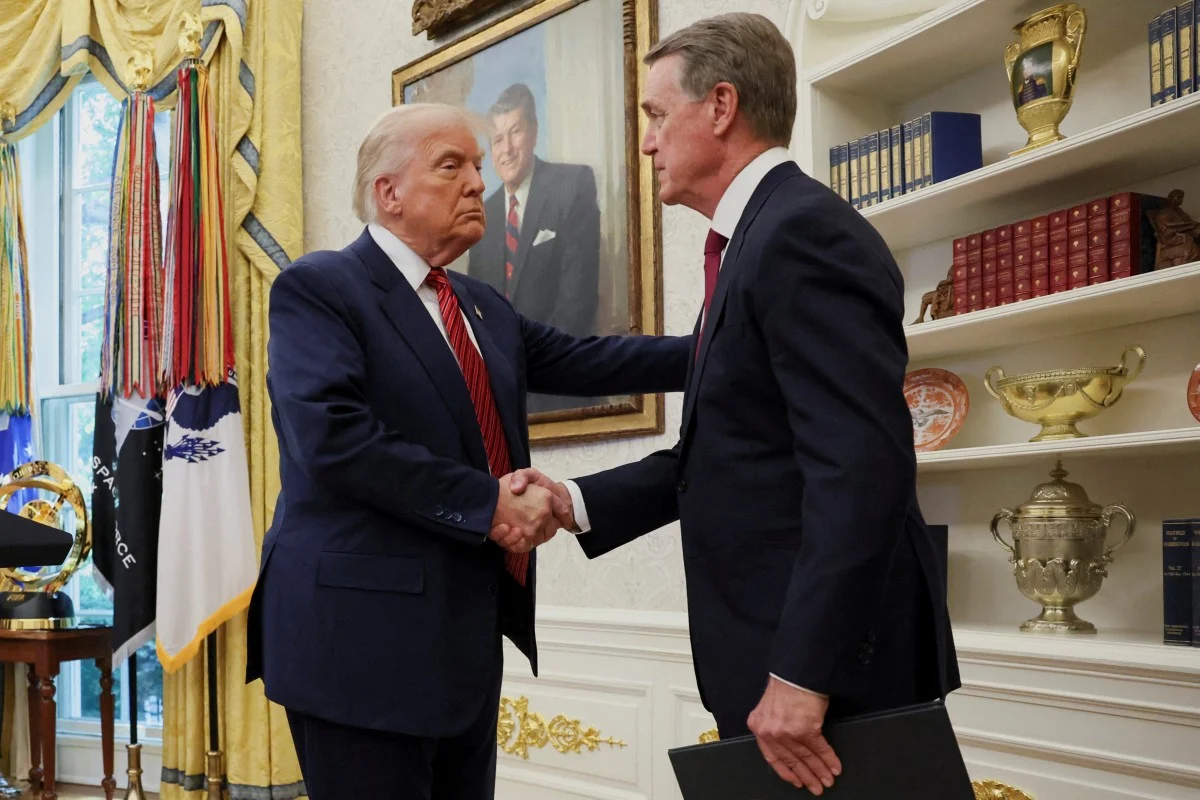
US President Donald Trump held a high level meeting with the United States’ ambassador to China, David Perdue, at his Mar a Lago estate in Florida, closing a day marked by intensive diplomatic engagement in the Asia Pacific. The meeting followed a phone call earlier in the day with Japanese Prime Minister Sanae Takaichi, underscoring Washington’s focus on regional alignment amid rising tension around Taiwan.
The timing of the discussions placed them firmly within a delicate geopolitical context. Taiwan had just concluded a series of military drills, while Washington recently approved its largest ever arms sale to the island, a move that has heightened friction with Beijing and complicated relations between China and Japan.
Taiwan remains at the centre of regional strain
Taiwan continues to be the most sensitive issue in US China relations. Beijing regards Taiwan as part of China and has repeatedly stated it reserves the right to use force to achieve reunification if necessary. While the United States and Japan do not formally recognise Taiwan as an independent state, both oppose any attempt to change the status quo through military action.
Washington maintains that peace and stability in the Taiwan Strait are vital to regional and global security. The US position combines diplomatic ambiguity with practical support, including arms sales designed to strengthen Taiwan’s defensive capabilities. This approach has drawn sharp criticism from Beijing, which views such actions as interference in its internal affairs.
Trump administration balances alliances and rivalry
The Trump administration has framed its Asia strategy through an America first lens, emphasising burden sharing with allies while taking a firm stance toward China. The call with Japan’s prime minister highlighted the importance Washington places on coordination with Tokyo, particularly as Japan has become more vocal about Taiwan’s security due to its proximity and strategic implications.
At the same time, the meeting with Ambassador Perdue suggested an effort to manage direct communication channels with Beijing. Diplomacy with China remains complex, balancing competition, deterrence, and selective engagement across trade, security, and regional influence.
Holding talks with both Japan and the US envoy to China on the same day reflected an attempt to synchronise messaging across allies and rivals without escalating rhetoric publicly.
Japan China tensions shape the backdrop
Relations between Tokyo and Beijing have cooled further as Taiwan has risen in strategic importance. Japan has expressed growing concern about stability in the Taiwan Strait, linking it directly to its own national security. Beijing, in turn, has criticised what it sees as Japan’s alignment with US containment efforts.
This rift adds pressure on Washington to maintain unity with its allies while avoiding steps that could trigger miscalculation. The diplomatic choreography surrounding Trump’s engagements illustrates how tightly connected US Japan coordination and US China communication have become.
Arms sales amplify geopolitical signalling
Washington’s approval of a major arms package for Taiwan has intensified scrutiny of US intentions. Supporters argue the move strengthens deterrence and reduces the risk of conflict by raising the cost of military action. Critics warn it increases tension and narrows diplomatic space.
For Beijing, the sale reinforces concerns that the United States is undermining its sovereignty claims. For allies such as Japan, it signals continued US commitment to regional security. These differing interpretations highlight why diplomatic engagement remains critical alongside military and economic measures.
Mar a Lago meeting carries symbolic weight
Meeting Ambassador Perdue at Mar a Lago added a personal dimension to the diplomatic process. The setting, frequently used by Trump for informal but consequential discussions, suggests the administration values direct input from its envoy in Beijing as it navigates competing pressures.
Such meetings often serve to align internal strategy rather than produce immediate public outcomes. They allow leaders to assess regional developments, calibrate messaging, and consider next steps without formal statements that could inflame tensions.
Regional stability hinges on careful coordination
The clustering of diplomacy around Taiwan, Japan, and China underscores how interconnected these relationships have become. Small shifts in posture or language can have outsized effects across the region, particularly at moments when military activity and political signalling overlap.
For Washington, maintaining credibility with allies while managing rivalry with Beijing requires constant adjustment. The day’s engagements reflected that balancing act, with the administration engaging both sides of the strategic equation in rapid succession.
A reminder of Taiwan’s global significance
Taiwan’s role extends beyond cross strait relations, touching supply chains, military planning, and alliance structures across the Indo Pacific. Events surrounding the island often serve as a barometer for broader geopolitical trends.
Trump’s meetings, occurring as Taiwan drills ended, highlighted how developments around the island continue to draw the attention of the world’s major powers. Diplomacy, deterrence, and dialogue remain tightly intertwined in shaping the region’s stability.