News
Trump Says Iran Seeking Talks After Deadly Crackdown as Protest Death Toll Rises

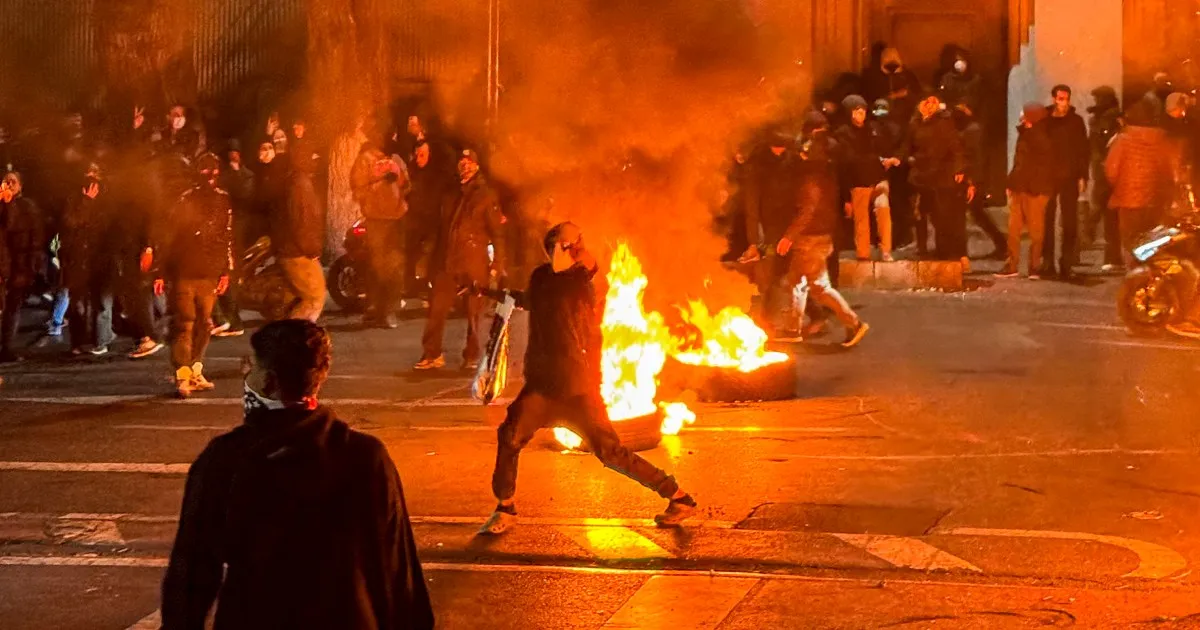
US President Donald Trump has said Iran is seeking negotiations with Washington following his warning that the United States could take military action against the Islamic Republic over its violent response to nationwide protests. His comments came amid reports from activists that hundreds of people have been killed during weeks of unrest across Iran.
Speaking to reporters, Trump claimed that Iranian officials had signalled a willingness to negotiate after he publicly threatened strikes in response to what he described as a brutal crackdown on demonstrators. He framed the development as evidence that pressure from Washington was having an impact, although he did not provide details on who within the Iranian leadership had made contact or what form potential talks might take.
The remarks followed growing international concern over the scale of violence used by Iranian security forces against protesters. Activist groups said on Monday that at least 544 people have been killed since demonstrations erupted, with thousands more injured or detained. The protests, which began over economic grievances and political frustrations, have spread across multiple cities and provinces, posing one of the most serious internal challenges to the Iranian authorities in years.
Iranian officials have rejected claims of excessive force, arguing that security forces are responding to unrest that threatens public order and national stability. State media in Iran has blamed foreign actors for fuelling the protests, accusing the United States and its allies of attempting to destabilise the country. Washington has denied these accusations and says it is responding to clear human rights violations.
Trump’s statement highlights the continued use of pressure tactics as a core element of US policy toward Iran. Since returning to office, he has adopted a confrontational stance, combining threats of force with economic and diplomatic pressure. Supporters of this approach argue that it compels Tehran to engage, while critics warn it risks escalating tensions at a volatile moment.
Analysts note that Iran’s willingness to negotiate, if genuine, would likely be driven by a desire to ease international pressure rather than a fundamental shift in policy. Sanctions, diplomatic isolation and domestic unrest have placed the Iranian leadership under strain, limiting its room for manoeuvre. However, any talks would face significant obstacles, including deep mistrust between the two sides and disagreement over Iran’s domestic conduct.
Human rights groups have urged the international community to prioritise accountability for the killings. They argue that negotiations should not distract from demands for independent investigations and protections for protesters. Some activists fear that geopolitical bargaining could overshadow the plight of those facing repression on the ground.
Regional implications are also being closely watched. Iran’s internal instability and strained relations with Washington have knock on effects across the Middle East, influencing conflicts, alliances and energy markets. Neighbouring countries and global powers alike are monitoring whether rising pressure will lead to de escalation or further confrontation.
For now, uncertainty surrounds both the reported death toll and the prospect of negotiations. While Trump’s comments suggest a possible opening for diplomacy, Iranian officials have not publicly confirmed any move toward talks. As protests continue and international scrutiny intensifies, the situation remains fluid, with significant consequences for Iran’s future and its relationship with the outside world.