News
Trump Renews Call to Annex Greenland as Denmark Pushes Back on US Rhetoric

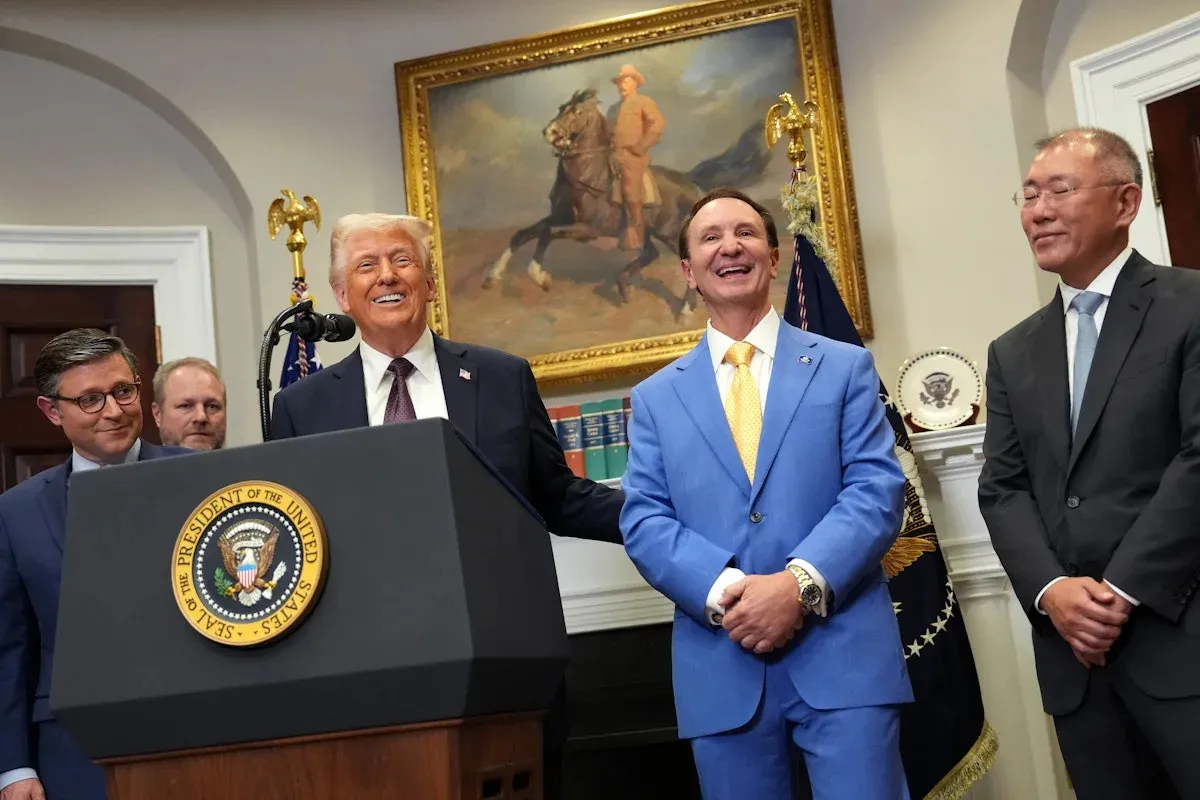
US President Donald Trump has again suggested that the United States should annex Greenland, repeating a claim he has made several times in recent years and reigniting diplomatic tensions with Denmark. Speaking to reporters, Trump said the US needs Greenland from the standpoint of national security, arguing that the island’s strategic importance has only increased in an era of heightened global competition.
The comments came shortly after Denmark’s prime minister publicly urged Trump to stop making what she described as threats regarding the semi autonomous territory. Copenhagen has repeatedly stressed that Greenland is not for sale and that its future can only be decided by the people who live there. Trump’s renewed remarks, however, indicate that he remains unmoved by Danish objections.
Greenland is an autonomous territory within the Kingdom of Denmark, though it manages most of its domestic affairs independently. It is sparsely populated but occupies a vast area between North America and Europe, placing it at the centre of emerging Arctic shipping routes and defence calculations. The island already hosts a US military presence, including a key air base that forms part of Washington’s missile warning and space surveillance network.
Trump has framed his interest in Greenland as a matter of security rather than conquest. He argues that control of the island would help the US counter growing activity by rivals in the Arctic, particularly Russia and China, both of which have expanded their presence in the region through military deployments and economic investments. From Washington’s perspective, Greenland’s location offers early warning advantages and greater control over northern approaches.
Beyond defence, Greenland’s mineral wealth is another factor driving US interest. The island is believed to hold significant deposits of rare earth elements, uranium and other resources essential for advanced technology and clean energy transitions. As competition over supply chains intensifies, access to these materials has become a strategic priority for major powers.
Danish leaders have reacted with frustration to Trump’s language. Officials in Copenhagen have emphasised that Greenlanders have the right to self determination and that any discussion of annexation is unacceptable. They have also warned that repeated public statements from the US president risk damaging relations between two long standing allies.
Greenland’s own leaders have taken a cautious stance. While some local politicians support closer economic cooperation with the United States, there is little appetite for giving up autonomy or being absorbed into another country. Many residents see independence from Denmark as a long term aspiration, but on their own terms and through democratic processes.
International observers note that Trump’s comments fit into a broader pattern of assertive rhetoric aimed at reshaping US influence abroad. While previous proposals to buy or annex Greenland were dismissed as unrealistic, the persistence of the idea has raised questions about how far Washington might push its strategic claims in the Arctic.
Analysts say actual annexation remains highly unlikely, given legal, political and diplomatic barriers. However, the repeated emphasis on Greenland’s importance highlights how the Arctic is becoming a central arena of global competition. As ice melts and access improves, the region’s strategic value is only set to grow.
For now, Denmark and Greenland appear determined to resist US pressure, while Trump continues to argue that American security interests justify a more ambitious approach. The episode underscores how changing geopolitics are reviving old questions about territory, power and sovereignty in parts of the world once considered remote.