
Latest News
Trump Appoints Special Envoy to Greenland, Sparks International Backlash

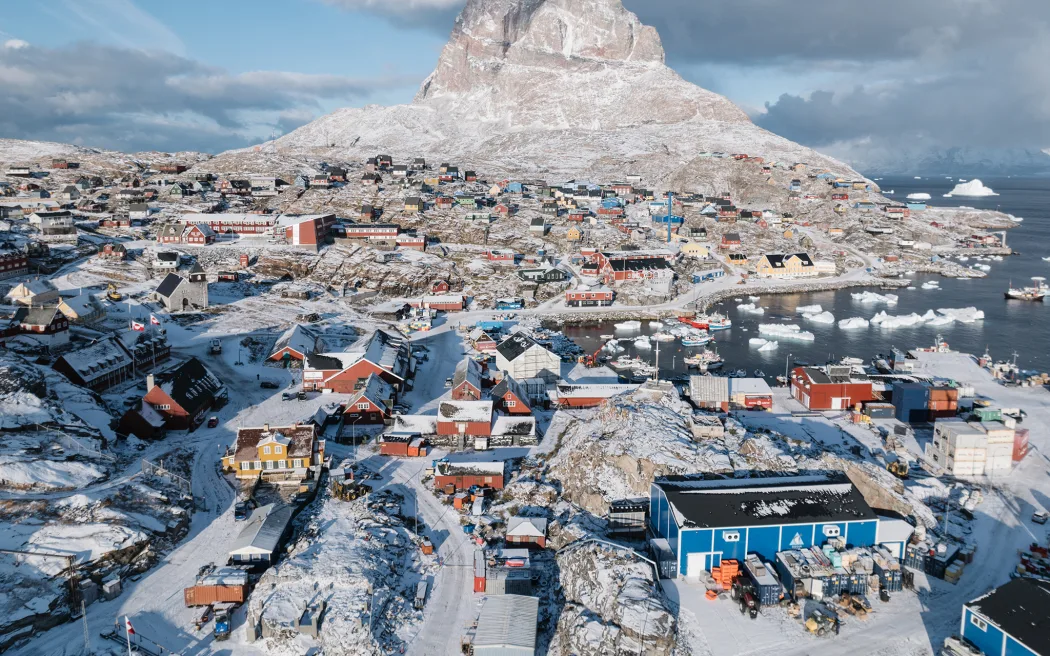
A Bold Move in the Arctic
U.S. President Donald Trump has stirred diplomatic tensions by appointing Louisiana Governor Jeff Landry as the United States’ special envoy to Greenland. The announcement, made on December 22, 2025, has drawn sharp criticism from both Denmark and Greenland, reigniting concerns over Washington’s intentions toward the mineral-rich Arctic island.
Greenland, a self-governing territory under the Kingdom of Denmark, has long been valued for its strategic location and abundant natural resources, including rare earth minerals. Trump has previously expressed interest in annexing Greenland, citing its potential economic and military importance. Landry, who has served as Louisiana’s governor since January 2024, openly supports this idea, describing his role as a “volunteer position to make Greenland a part of the U.S.”
Diplomatic Reactions
The appointment has sparked a swift response from Copenhagen. Denmark’s government criticized Landry’s comments as disrespectful to Greenland’s sovereignty and pledged to summon the U.S. ambassador for an explanation. Greenland’s Prime Minister also emphasized that any decisions about the island’s future must be made by its residents, underscoring the importance of self-determination and territorial integrity.
Experts note that Greenland’s location in the Arctic is increasingly significant amid geopolitical competition. The island provides access to strategic shipping routes and is home to large deposits of rare minerals essential for technology and defense industries. These factors have made Greenland a point of interest not only for the U.S. but also for other global powers like China and Russia.
Why the Envoy Role Matters
Appointing a special envoy is more than a ceremonial gesture. It signals that the U.S. is taking a direct interest in Greenland’s political and economic landscape. Landry’s role could involve negotiating partnerships, exploring investment opportunities, and representing U.S. interests in the Arctic. However, critics argue that framing the position around annexation raises serious sovereignty and international law concerns.
Analysts warn that such rhetoric could strain U.S.-Denmark relations and complicate broader Arctic cooperation, which involves environmental monitoring, indigenous rights, and climate change initiatives. Diplomats stress that any U.S. engagement in Greenland must be handled carefully to avoid undermining alliances in the region.
Domestic Implications
In the United States, the appointment reflects Trump’s continued interest in leveraging territorial expansion and resource acquisition as key components of foreign policy. Landry’s enthusiasm for the role aligns with Trump’s vision of prioritizing American strategic interests abroad, especially in areas with untapped mineral wealth.
However, the move has sparked debate among lawmakers, foreign policy experts, and media commentators. Critics argue that such ambitions may ignore international norms and local governance structures, potentially creating long-term diplomatic challenges for Washington.
Looking Ahead
The Greenland envoy appointment is likely to remain a contentious issue in the coming months. Observers will be watching how Denmark, Greenland, and the U.S. navigate the complex mix of diplomacy, resource management, and Arctic strategy. Whether Landry’s role will be limited to advisory tasks or involve more active engagement in Greenlandic affairs remains unclear.
What is certain is that the decision has placed Greenland at the center of an international spotlight. Its strategic importance, mineral wealth, and self-governance make it a sensitive subject for all parties involved. The unfolding developments will test U.S. diplomatic strategy and the balance between asserting national interests and respecting international norms.



