Politics
Transport Troubles: How Policy Decisions Impact London’s Commuters and Businesses

London’s transport network is a lifeline for millions of residents and businesses. From the Underground and buses to roads and cycling routes, how the city moves directly affects daily life, economic productivity, and quality of life. Yet despite decades of investment, transport policy continues to spark debate, frustration, and occasionally, innovation.
The State of London Transport
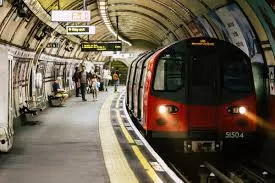
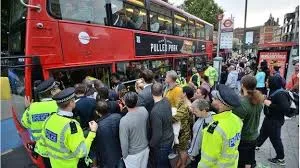
The challenges are familiar: overcrowded trains, rising fares, traffic congestion, and occasional service disruptions. Commuters regularly report long delays, overcrowded carriages, and high costs that strain household budgets. I’ve observed firsthand how these issues affect residents—morning commutes often begin with a rush to catch packed trains, while evening journeys can be delayed by signal failures or congestion.
For businesses, transport inefficiencies translate into lost productivity, delayed deliveries, and higher operating costs. Retailers, hospitality venues, and service industries all rely on reliable transport to ensure staff and customers can reach them. Without effective policies, these challenges can have cascading effects on economic growth.
Policy Measures and Government Initiatives
In recent years, city authorities have introduced several policies aimed at improving transport infrastructure and sustainability. Measures include expanding the low-emission zone, investing in electric buses, upgrading stations, and promoting cycling and walking. The introduction of congestion charges in central London is designed to reduce traffic and pollution, while new initiatives aim to improve accessibility for disabled passengers and those with mobility issues.
From attending transport briefings and community forums, I noticed that residents appreciate the focus on sustainability but often question the balance between environmental goals and daily practicality. While policies like the Ultra Low Emission Zone help reduce pollution, they can increase costs for drivers, sparking debate over fairness and accessibility.
The Impact on Commuters
Commuters experience the direct effects of transport policy more acutely than any other group. Rising fares, coupled with occasional service delays, contribute to stress and financial pressure. Many residents have adapted by changing routes, shifting to cycling, or even relocating to suburbs with easier commuting options.
I spoke with several daily commuters who emphasized the need for policies that are predictable, affordable, and reliable. For them, transport is not just about moving from point A to point B—it affects work-life balance, health, and household finances.
Business and Economic Considerations
London’s businesses are equally impacted. Efficient transport is crucial for staff recruitment, customer access, and supply chain management. Policies that restrict vehicle access or increase operational costs can be challenging for small businesses, while larger corporations may have more flexibility to adapt.
From my observations, companies increasingly factor transport efficiency into location decisions. Boroughs with better connectivity attract more investment, while areas with poor transport infrastructure struggle to support business growth. This creates a direct link between transport policy and the city’s economic health.
Balancing Sustainability and Practicality
One of the most complex challenges for London policymakers is balancing sustainability with practicality. Encouraging cycling, public transport use, and cleaner vehicles contributes to environmental goals but can create short-term inconvenience or cost increases.
Residents and business owners I spoke with suggest that policies are most effective when phased gradually, supported by incentives, and coupled with clear communication. Initiatives that combine environmental benefits with economic support, for example, subsidies for electric vehicles or improved cycling infrastructure, tend to receive stronger public approval.
Looking Ahead
London’s transport system is at a crossroads. With population growth, climate change, and evolving work patterns, decisions made today will shape the city’s economy, environment, and daily life for decades. Policymakers must consider affordability, accessibility, and reliability alongside long-term sustainability goals.
From my perspective, transport policy is not just about infrastructure—it is about people and communities. A city that moves efficiently supports residents, enables businesses to thrive, and reduces environmental impact. Conversely, poorly planned policies can exacerbate inequality, hinder economic growth, and frustrate commuters.
The challenge for London is clear: create a transport system that meets the needs of today while preparing for the demands of tomorrow. It requires investment, foresight, and a willingness to listen to those who rely on the network most—the city’s residents and businesses.