
Entertainment
Theatre Breaks Box Office Records After £3.5m Revamp

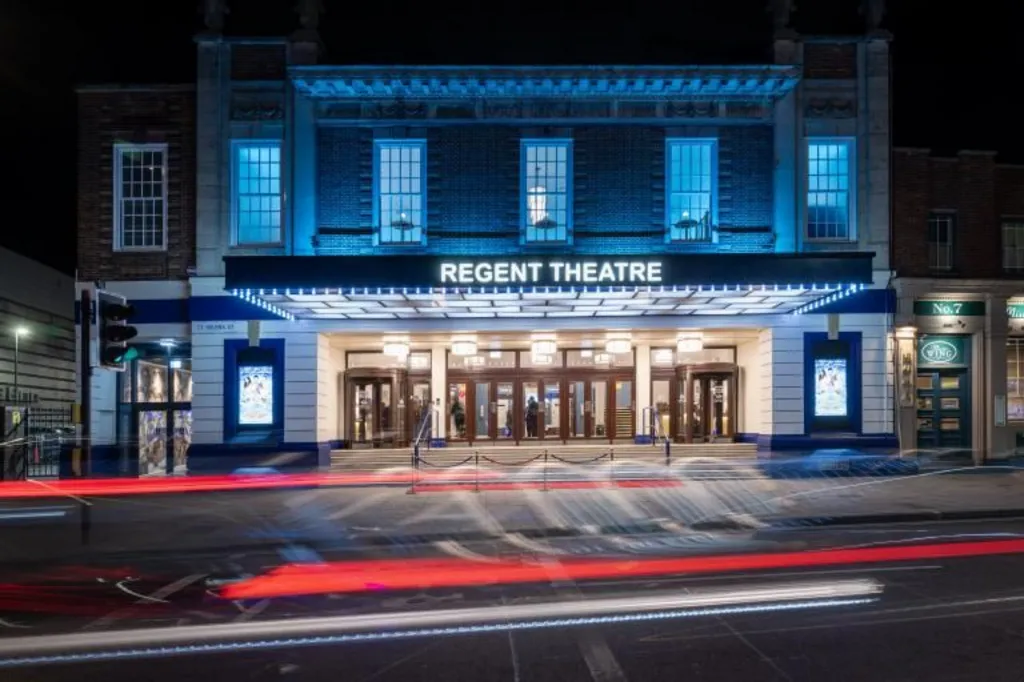
When I first read that Ipswich Regent Theatre had broken its box office record just weeks after reopening, it felt like more than a financial milestone. It was a reminder of how deeply local theatres still matter — and how investment in cultural spaces can quickly translate into renewed public enthusiasm.
After a £3.5m refurbishment, the Ipswich Regent, the largest theatre of its kind in East Anglia, has seen audiences return in record numbers. According to Ipswich Borough Council, ticket sales have already surpassed previous highs since the venue reopened in November, driven in large part by its festive pantomime production of Cinderella.
A Historic Venue Renewed
The Ipswich Regent has a long and distinguished history. Originally opened as the Gaumont in November 1929, the theatre has hosted some of the biggest names in music and entertainment. Over the decades, acts ranging from The Beatles and The Rolling Stones to Buddy Holly, Dolly Parton, Tina Turner, Little Mix, Girls Aloud and The Darkness have all taken to its stage.
What stood out to me while reviewing the refurbishment details is how carefully the project balanced modern upgrades with respect for the building’s heritage. The theatre’s Art Deco frontage has been restored, bringing back architectural features that connect today’s audiences with the venue’s past.
Rather than reinventing the Regent, the refurbishment focused on enhancing what was already there.
Investing in Audience Experience
Much of the £3.5m investment went into improving the front-of-house areas. Bar spaces were upgraded, the lounge and foyer refurnished, and a new bar installed with a deliberate nod to the theatre’s original fixtures and fittings. The result is a space that feels both refreshed and familiar.
From what I observed, these changes are not just cosmetic. They reflect a broader understanding of how audiences experience theatre today. A night out no longer begins and ends with the performance itself, it includes the comfort, accessibility and atmosphere of the entire venue.
Accessibility improvements were a major part of the seven-month project. A new lift was installed, ramped access improved, and facilities updated to ensure the theatre is more welcoming for all visitors. A new staff office and toilet block were also added, addressing long-standing practical needs behind the scenes.
A Record-Breaking Return
The impact of those improvements became clear almost immediately. Councillor Jane Riley described the reopening as a success story, pointing to Cinderella as the ideal production to mark the theatre’s return.
“The energy in the theatre is magical,” she said, noting that the box office record has already been broken. Her comments reflect something deeper than ticket numbers — a sense that audiences were ready to come back.
What struck me most is how quickly that connection was re-established. After months of closure and renovation, the Regent did not need a long reintroduction period. The response suggests a pent-up demand for shared cultural experiences, particularly in regional towns where theatres play a central social role.
The Power of Pantomime
It is no coincidence that a pantomime led the comeback. Panto remains one of the most accessible and family-friendly forms of theatre, drawing in audiences who might not otherwise attend live performances.
In this case, Cinderella became both entertainment and celebration — a way for audiences to rediscover the venue together. I noticed how often local theatre revivals succeed when they start with productions that feel communal rather than exclusive.
That sense of collective enjoyment appears to have carried the Regent across a symbolic threshold: reopening not just as a building, but as a living, active part of Ipswich’s cultural life.
A Wider Cultural Signal
Beyond Ipswich, the Regent’s success offers a broader lesson. At a time when arts funding is often under pressure, this record-breaking reopening demonstrates what targeted investment can achieve. Upgrading accessibility, preserving heritage, and improving visitor experience are not competing priorities they reinforce one another.
Theatre buildings like the Ipswich Regent are more than performance spaces. They are memory-holders, economic drivers, and gathering places. When they are cared for, audiences respond.
As I look at the Regent’s packed performances and renewed energy, it feels less like a comeback story and more like a continuation. Nearly a century after opening its doors, the theatre is still doing what it has always done, bringing people together, only now with a refreshed stage, restored elegance, and a box office that proves the appetite for live performance is far from fading.



