
Entertainment
The Travel Images That Carried Us Across the World in 2025

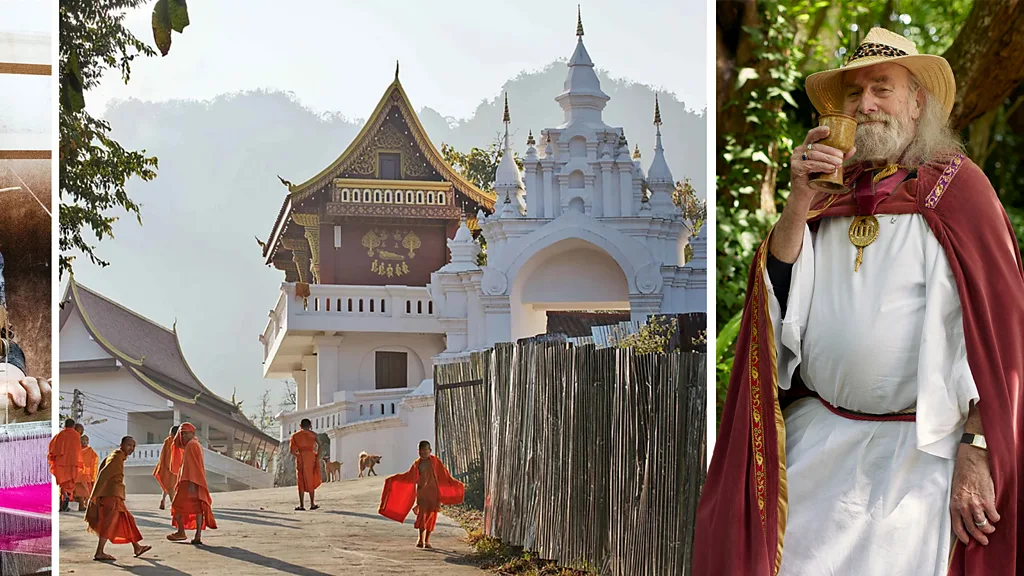
As I looked back at the travel photographs that defined 2025, what struck me most was not just where they were taken, but what they allowed us to feel. In a year shaped by uncertainty and change, these images became quiet forms of movement offering connection to places we might never visit, yet could suddenly imagine ourselves standing within.
Great travel photography does more than document scenery. It reveals atmosphere, belief, isolation, celebration and resilience. Through a single frame, it can explain geography, history and culture without a single word. In 2025, a collection of images did exactly that, transporting viewers far beyond their screens.
Seeing the Unreachable
Some of the most powerful images came from places defined by distance or restriction. I noticed how several photographs focused on landscapes that could be seen but not entered — valleys shielded by geography, islands protected by tradition, or sacred spaces kept deliberately untouched.
One image showed a remote valley in Central Asia, its isolation emphasised by the scale of the surrounding mountains. The absence of people was not emptiness, but intention. It spoke of regions shaped by centuries of movement, trade and silence — places where modern tourism remains a distant idea.
Another photograph captured a sacred island in Canada, visible from the shoreline but forbidden to visitors. What stood out was how restraint became the story. The image reminded viewers that travel is not always about access. Sometimes, respect is the journey.
People at the Heart of Place
What I observed across many of the images was a clear shift away from postcard-style travel photography. Instead of landmarks, photographers focused on human presence — monks guiding travellers through quiet rituals, locals moving through everyday routines, and communities existing beyond the tourist gaze.
In Southeast Asia, one photograph followed a monk-led journey through rivers and temples. The emphasis wasn’t spectacle, but pace. The image invited viewers to slow down, to consider travel as learning rather than consumption.
Elsewhere, portraits captured fleeting encounters: a shared smile, a moment of concentration, a gesture that revealed belonging. These images didn’t explain cultures — they suggested them, allowing space for curiosity rather than conclusions.
Nature as Experience, Not Backdrop
Nature photography also played a central role in this year’s standout travel images, but not in the way we often expect. Instead of dramatic vistas alone, photographers captured fleeting natural events — moments that required patience, timing and trust.
One image documented a firefly display in North America, glowing softly against darkness. It wasn’t just visually striking; it felt intimate. I noticed how images like this reframed nature as something you wait for, not chase.
Other photographs highlighted fragile environments deserts shaped by wind, forests filtered through mist, coastlines defined by light rather than landmarks. Together, they reflected a growing awareness of climate, conservation and responsibility in travel storytelling.
The Power of Stillness
What connected many of the most memorable images was stillness. In contrast to fast-paced travel content, these photographs asked viewers to pause. They weren’t loud. They didn’t compete for attention. They lingered.
I found that this quiet approach made the images more immersive. They encouraged reflection rather than checklist tourism. The photographers weren’t simply showing where they had been — they were sharing how it felt to be there.
In that sense, the images functioned as invitations rather than advertisements.
Why These Images Matter
Travel photography in 2025 did more than inspire future trips. It reminded audiences why curiosity matters. At a time when global movement is shaped by economic, environmental and political realities, these images offered a form of shared experience.
They connected viewers to distant places without claiming ownership over them. They respected boundaries, elevated local voices and resisted simplification. Most importantly, they reminded us that travel is as much about listening and observing as it is about going.
As I reflect on the images that stayed with me, it becomes clear that their power lies in restraint. They did not try to show everything. They showed enough.
In doing so, they carried us briefly, quietly, and respectfully across the world in 2025.



