Business
The Showers and Baths Keeping Data Centre Technology Cool

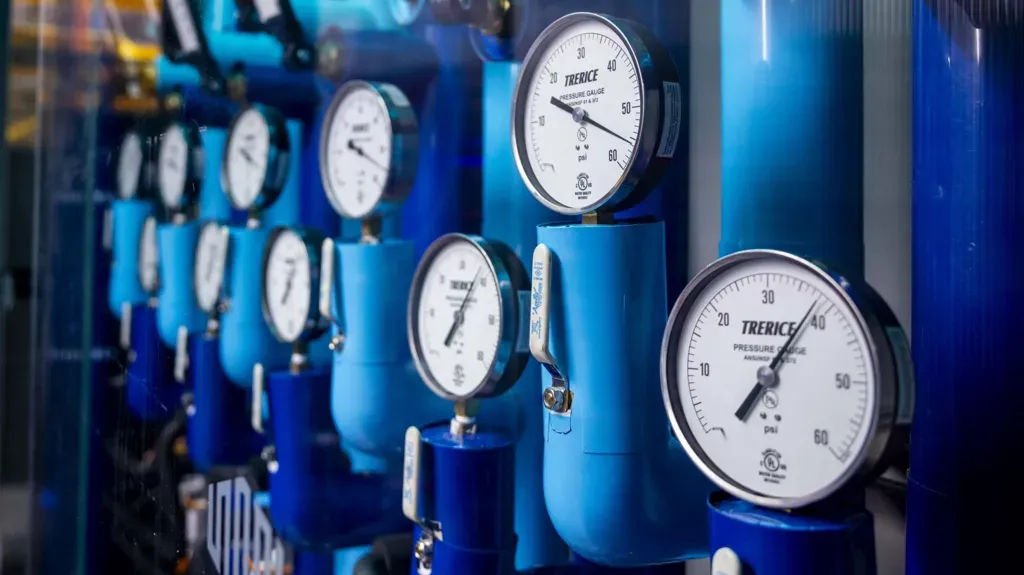
Behind the cloud services, streaming platforms and artificial intelligence tools that power modern life sits a vast and growing network of data centres. These facilities run around the clock, processing enormous volumes of information at extreme speeds. The challenge is heat. Computer chips operating at full capacity generate intense temperatures, and without effective cooling, entire systems would quickly fail.
Cooling has always been essential to data centre design, but the rapid rise of high performance computing and AI workloads is forcing the industry to rethink traditional approaches. Air cooling alone is no longer sufficient for the most demanding applications. Instead, data centres are increasingly turning to liquid based systems that resemble something closer to a spa than a server room.
In some facilities, computer components are literally showered with specialised fluids. In others, servers are submerged in circulating baths designed to absorb and remove heat efficiently. These methods allow chips to operate at higher speeds for longer periods, pushing performance beyond what was previously considered safe.
Jonathan Ballon, chief executive of liquid cooling company Iceotope, describes how the systems work. In certain designs, fluid is delivered directly onto hot components, flowing over them before being collected and cooled again. In other setups, entire servers are immersed in non conductive liquid that draws heat away continuously.
This approach enables what is known as overclocking, running chips at higher speeds than standard specifications allow. Traditionally, overclocking carried a significant risk of overheating and damaging hardware. Liquid cooling dramatically reduces that risk. According to Ballon, some customers operate servers in overclocked mode at all times, confident that the cooling systems will prevent thermal damage.
The shift toward liquid cooling reflects deeper changes in the technology landscape. Artificial intelligence models, cloud computing and data intensive services demand far more processing power than earlier generations of software. Chips are denser, faster and more energy hungry. As a result, heat output per server has increased sharply.
Data centres cannot simply add more air conditioning to compensate. Air based systems consume large amounts of energy and struggle to cool tightly packed hardware efficiently. Liquid, by contrast, transfers heat far more effectively. Direct contact between fluid and components removes heat at its source, reducing overall energy use.
Energy efficiency is a growing concern for the industry. Data centres already account for a significant share of global electricity consumption, and that figure is expected to rise. Cooling can represent a substantial portion of a facility’s energy demand. More efficient systems not only improve performance but also help reduce environmental impact.
Liquid cooling opens up additional possibilities. Waste heat generated by servers does not have to be discarded. Instead, it can be captured and reused. Ballon says one US based hotel chain plans to use heat from its servers to warm guest rooms, supply hot water for laundry and even heat swimming pools. This kind of heat recycling could transform how data centres integrate with surrounding infrastructure.
Such ideas are gaining traction as cities and companies search for ways to reduce energy waste. In colder climates, data centre heat has already been used to warm offices and residential buildings. Liquid cooling makes this process more efficient by delivering heat at higher, more usable temperatures.
Despite its advantages, liquid cooling is not without challenges. Retrofitting existing data centres can be expensive and complex. Facilities must be designed to handle fluids safely, prevent leaks and ensure maintenance staff are properly trained. The initial cost can be higher than traditional systems, although proponents argue long term savings offset that investment.
There are also concerns around water use, particularly in regions facing scarcity. Many modern liquid cooling systems rely on closed loop fluids rather than fresh water, reducing consumption. However, transparency around environmental impact remains important as adoption grows.
The technology is evolving rapidly. Major chip manufacturers and cloud providers are now designing hardware specifically for liquid cooled environments. This signals a shift from experimental deployment to mainstream acceptance. As workloads become more demanding, cooling is no longer a secondary consideration but a central part of system design.
Industry analysts say cooling innovation could shape the future of computing as much as advances in chips themselves. Faster processors are only useful if they can be kept within safe operating temperatures. Liquid cooling removes one of the key constraints on performance growth.
For the average user, these developments remain invisible. Yet every search query, streamed video or AI generated response relies on data centres operating reliably behind the scenes. The showers and baths cooling modern servers may sound unusual, but they are becoming essential infrastructure.
As demand for computing power continues to rise, the industry’s ability to manage heat efficiently will play a critical role. Liquid cooling offers a glimpse of a future where data centres are not just powerful, but also more sustainable, integrated and resilient. In the race to keep technology running fast and cool, the spa like server room may soon become the new normal.