
Entertainment
The Salt Path and 2025’s Most Scandalous Books

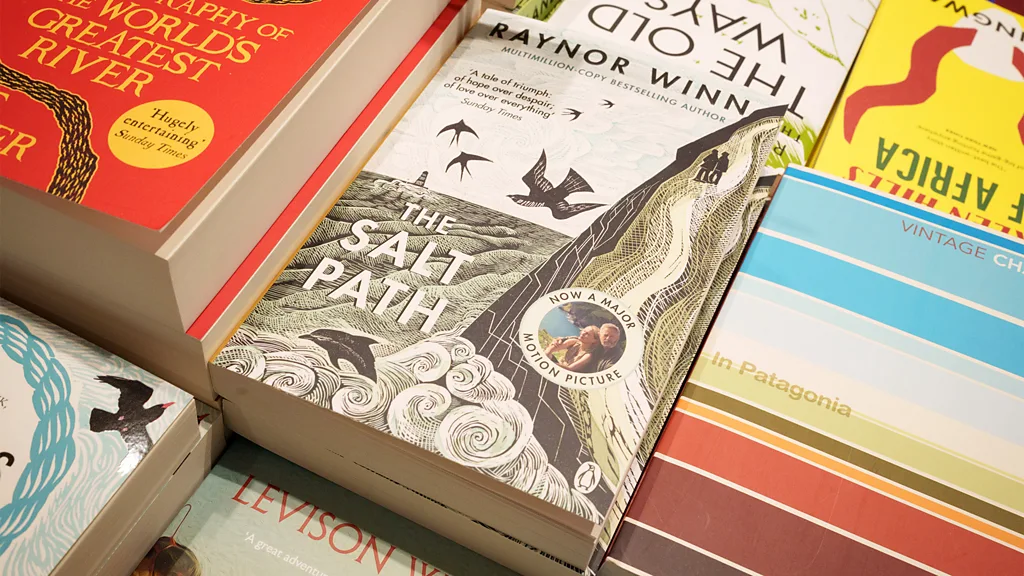
In 2025, personal stories once again dominated the literary landscape, proving that memoir remains one of the most powerful and commercially successful genres in publishing. Yet alongside praise and popularity came controversy. From questions about truth and omission to legal battles and reputational fallout, several high profile books sparked debates that went far beyond the page, forcing readers to reconsider what they expect from memoirs and those who write them.
Memoir at the centre of the cultural conversation
One of the most talked about books of the year was The Salt Path, which returned to public debate amid wider scrutiny of autobiographical storytelling. The memoir, originally celebrated for its raw account of homelessness, illness, and endurance, became emblematic of a broader question hanging over the genre: where does memory end and narrative shaping begin. Its renewed attention coincided with a year in which memoirs were not only read but interrogated.
Personal stories have long resonated with readers, offering intimacy and emotional truth. In 2025, however, that intimacy increasingly came with expectations of transparency and accountability. What authors chose to include, and what they left out, became just as significant as the stories themselves.
Power, silence and banned voices
Early in the year, Careless People made headlines. The book, an exposé of the author’s time as an executive at Meta, became a bestseller despite a gagging order that prevented Wynn-Williams from publicly promoting it. The attempt to silence the author arguably fuelled interest, turning the memoir into a flashpoint for debates about corporate power, free speech, and whistleblowing.
Readers were drawn not only to the revelations about one of the world’s most influential tech companies, but also to the circumstances surrounding the book’s publication. It highlighted how memoir can function as both personal testimony and political act, especially when legal pressure looms over the author.
Trauma, truth and public reckoning
Later in the year, Nobody’s Girl became one of the most impactful releases of 2025. Published posthumously, the book detailed Giuffre’s experiences of sexual abuse by Jeffrey Epstein and his associates. It included allegations against Andrew Mountbatten-Windsor, which he has consistently denied.
The memoir sold one million copies in just two months and intensified public and political pressure, contributing to the former prince being stripped of his titles in late October. The book demonstrated how memoir can play a role in public accountability, even after the author’s death, and reinforced the genre’s ability to influence real world outcomes.
Politics, legacy and selective memory
Politics also shaped the memoir conversation. 107 Days, recounting her failed presidential campaign, generated widespread media coverage for its critical portrayal of Joe Biden. Supporters praised the book’s candour, while critics accused it of reframing events to protect the author’s future ambitions.
At the same time, memoirs by major global figures such as Margaret Atwood, Malala Yousafzai, and Jacinda Ardern reinforced the genre’s prestige. These books were less scandal driven, yet they still raised questions about legacy, authority, and how history is shaped by those who write it.
Grief, honesty and emotional risk
Not all of 2025’s most talked about memoirs were controversial in a political sense. Deeply personal works such as Mother Mary Comes to Me and Things in Nature Merely Grow, which recounts the loss of two sons to suicide, were praised for their emotional restraint and honesty.
These books reminded readers that memoir’s power does not always lie in scandal, but in vulnerability. Yet even here, critics debated the ethics of exposure and the burden placed on readers when private grief becomes public narrative.
The future of the memoir genre
By the end of 2025, it was clear that memoir had become one of the most contested forms of storytelling. Readers remain hungry for personal truth, but they are also more sceptical, more forensic, and more willing to challenge authors’ versions of events. The success of books like The Salt Path and the controversies surrounding others suggest that memoir is evolving into a genre where emotional authenticity must coexist with factual scrutiny.
Whether this leads to greater honesty or more carefully constructed self mythologies remains an open question. What is certain is that in 2025, memoirs were no longer just stories about individual lives. They were battlegrounds for truth, power, and credibility in a culture increasingly unwilling to take personal narratives at face value.



