Tech
The New Space Race for Computer Chips Is Reshaping Global Power

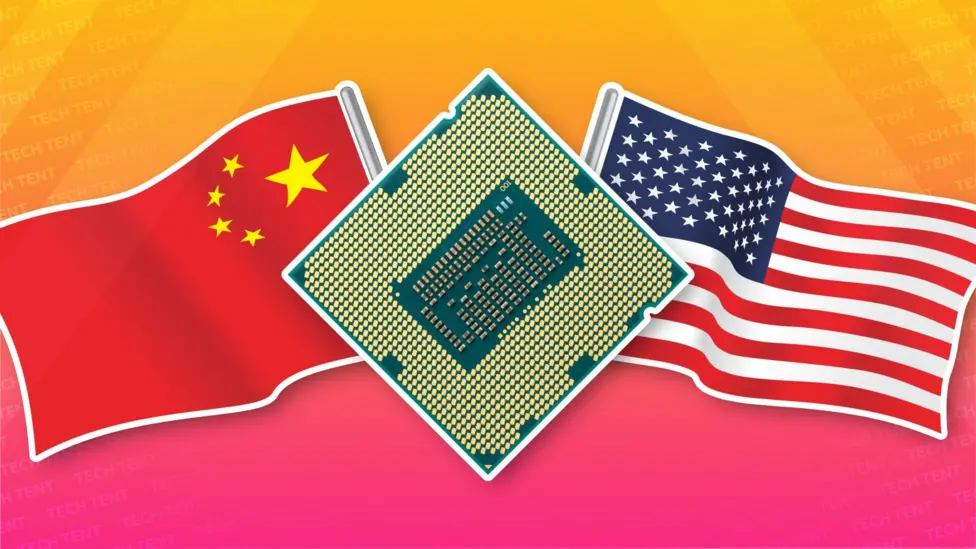
Why silicon chips now sit at the center of geopolitics
Silicon chips have quietly become one of the most strategic resources of the modern era. They power smartphones, cars, factories and data centers, yet their importance goes far beyond consumer technology. In recent years, disruptions in chip supply have forced car plants to shut down, slowed industrial output and exposed how dependent the global economy is on a small number of highly specialized manufacturers.
For governments, chips are no longer just commercial products. They are tools of economic security and geopolitical leverage. Control over advanced semiconductor technology is increasingly seen as a way to influence global power balances, much like space exploration symbolized technological leadership during the Cold War.
How the chip industry became a strategic battleground
The semiconductor industry is uniquely complex. Designing and manufacturing cutting edge chips requires vast capital, extreme precision and years of accumulated expertise. Only a handful of countries and companies are capable of producing the most advanced chips, creating natural choke points in the supply chain.
This concentration has turned chips into a strategic battleground. The United States now treats advanced semiconductor technology as a national security asset, particularly in the context of competition with China. Export controls and investment restrictions are increasingly used to limit access to the most powerful chips and the equipment needed to make them.
Chips and the future of artificial intelligence
One of the main reasons chips matter so much is artificial intelligence. Training and running advanced AI models requires enormous computing power, which depends on the latest generation of high performance chips. Access to these processors can determine who leads in AI research, military applications and economic innovation.
As AI becomes embedded in everything from healthcare to defense systems, countries that control chip supply gain a significant advantage. This has intensified competition to secure domestic manufacturing and reduce reliance on foreign suppliers.
Supply chains exposed and rebuilt
Recent shortages revealed how fragile semiconductor supply chains are. A disruption in one region can ripple across industries worldwide. In response, governments are investing heavily to bring chip production closer to home.
The United States and its allies are offering subsidies and incentives to encourage new fabrication plants. The goal is not just economic growth, but resilience. By diversifying production, countries hope to protect themselves from future shocks and political pressure.
Innovation versus restriction
There is an inherent tension in the new chip race. On one hand, innovation thrives on global collaboration, open markets and shared research. On the other, national security concerns are pushing countries to restrict technology flows and protect domestic industries.
Critics warn that excessive controls could slow innovation and raise costs for consumers. Supporters argue that safeguarding advanced technology is essential in an era where economic strength and military capability are increasingly linked to computing power.
Why the chip race resembles a space race
Like the original space race, the competition for semiconductor leadership is about prestige, power and long term advantage. Success is measured not just in profits, but in influence and strategic autonomy. Governments are willing to spend billions to secure a leading position, even if returns take years to materialize.
The outcome of this race will shape who leads in artificial intelligence, advanced manufacturing and digital infrastructure. Silicon chips may be small, but their impact on global competition is vast. As nations invest, restrict and innovate, the new space race for chips is redefining how technological leadership is won.