News
The Caribbean island where locals are losing access to their own beaches

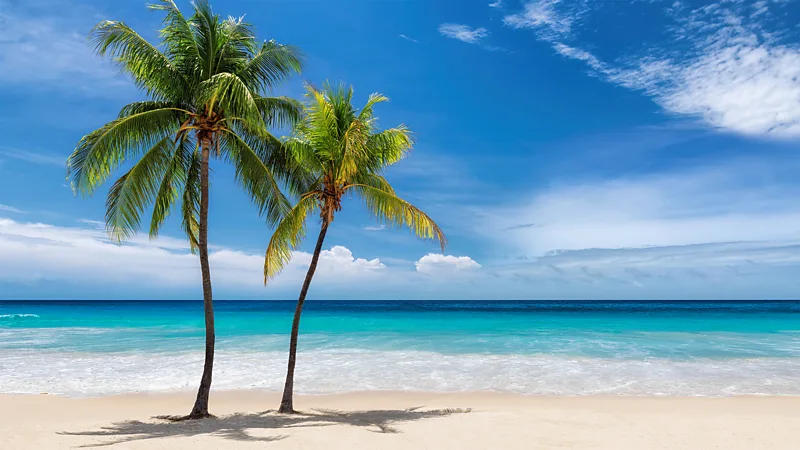
With its white sand shores and gin coloured waters, Jamaica has long been marketed as the quintessential Caribbean beach escape. Yet behind the postcard images lies a striking reality. Less than one per cent of Jamaica’s coastline is freely accessible to local residents, a figure that has fuelled growing debate over land use, tourism and inequality.
The contrast is most visible along the island’s northern coast, where luxury resorts dominate the shoreline. On a visit to Mammee Bay Beach in 2014, the scene seemed idyllic at first glance. Fishing boats rested on the sand after a day at sea, children played near the water and the turquoise horizon stretched endlessly. But even then, signs of change were evident. Sections of coastline once used by nearby communities were being absorbed into private developments, gradually restricting access that locals had taken for granted for generations.
Over the past two decades, Jamaica’s tourism driven growth has accelerated. All inclusive resorts, cruise terminals and gated developments have expanded rapidly, particularly in prime coastal areas. While tourism is one of the country’s most important economic engines, critics argue that its benefits are unevenly distributed. Beaches that were once public gathering spaces are increasingly fenced off, guarded or accessible only through paid entry.
Under Jamaican law, the foreshore is technically public land. In practice, however, long term leases, security measures and resort infrastructure often make access difficult or intimidating for residents. Locals may be allowed onto a beach in theory, but reaching it can involve navigating private roads, security checkpoints or resort staff questioning their presence.
Fishermen have been among the most affected. Many coastal communities rely on easy access to the sea for their livelihoods, yet traditional landing spots have disappeared as developments expand. Some fishermen report being forced to travel farther to launch boats or bring in their catch, increasing costs and risks.
Social advocates say the loss goes beyond economics. Beaches in Jamaica have historically been communal spaces, places for family gatherings, cultural traditions and everyday leisure. Restricting access alters social life and reinforces a sense that the island’s most beautiful spaces are reserved for visitors rather than citizens.
The issue has sparked periodic protests and legal challenges. Civil society groups have called for stronger enforcement of public access rights and clearer demarcation of entry points. Some have proposed designated public beaches in every parish, while others argue that existing access points should be expanded and better signposted.
Government officials acknowledge the tension but stress the importance of tourism revenue. They argue that resort development creates jobs and infrastructure that benefit the wider economy. At the same time, authorities have pledged to improve beach access, though progress has been slow and uneven.
The debate reflects a broader struggle faced by many tourism dependent destinations. As global demand for luxury travel grows, competition for prime coastal land intensifies. Without careful regulation, locals can find themselves marginalised in their own environment, watching as natural assets become commercial products.
In Jamaica, the question of beach access has become a symbol of deeper inequalities. Who truly benefits from paradise, and who is pushed to the margins, remains a point of contention.
As resorts continue to rise along the shoreline, the future of public beaches depends on political will and community advocacy. For many Jamaicans, access to the sea is not a luxury but a birthright, tied to identity, livelihood and daily life. Whether that right can be protected alongside tourism growth will shape how inclusive Jamaica’s development story ultimately becomes.