
Politics
The Battle Over Gaza’s Future: Why Rebuilding Remains a Stalemate

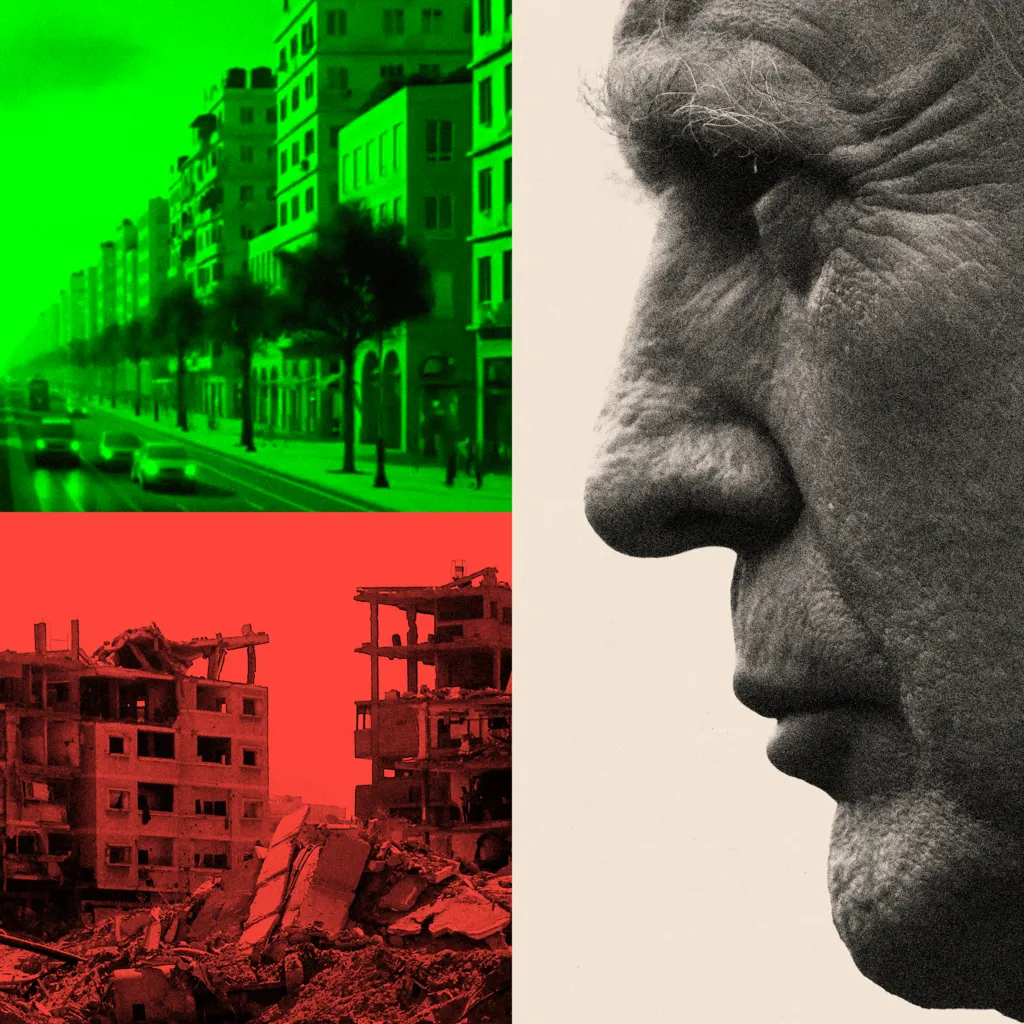
In the wake of recent conflict, Gazans are taking tentative steps toward recovery, but the future of rebuilding the territory remains uncertain. Bulldozers are clearing streets and removing mountains of rubble, yet entire neighbourhoods, particularly in Gaza City, lie in ruins, disfigured beyond recognition.
“This was my house,” says Abu Iyad Hamdouna, pointing to a mangled heap of concrete and steel in Sheikh Radwan, once one of the city’s most densely populated areas. “It was here. But there’s no house left.” For residents like him, the scale of destruction is staggering, and hope is tempered by the political, financial, and logistical obstacles standing in the way of reconstruction.
The challenges are compounded by a lack of consensus among international stakeholders over how Gaza should be rebuilt. While numerous plans have been proposed—including the controversial “Phoenix Plan,” which envisions large-scale reconstruction—differences between regional powers, donor countries, and Palestinian authorities have stalled concrete action. Questions over who controls funding, which contractors are allowed, and how governance in Gaza will be structured remain unresolved.
Political divisions also hinder progress. Hamas, which governs Gaza, and the Palestinian Authority in the West Bank have clashed over authority and oversight of rebuilding efforts. Meanwhile, countries such as the United States, Israel, Egypt, and the European Union have all expressed differing priorities regarding aid, security, and long-term development, further complicating negotiations.
For ordinary Gazans, these disputes translate into prolonged suffering. Many families continue to live in makeshift shelters or partially destroyed homes. Essential infrastructure—water, electricity, hospitals, and schools—has been severely damaged, leaving residents exposed to health risks and ongoing economic hardship.
Experts warn that without a coordinated approach, reconstruction may be piecemeal, slow, and potentially exploitative. “Rebuilding Gaza is not just about clearing rubble,” says a humanitarian analyst. “It requires political will, adequate financing, and careful planning to ensure that reconstruction is sustainable and benefits those who were most affected by the conflict.”
The humanitarian urgency is pressing. As bulldozers work through the ruins, the psychological toll on residents—who have lost homes, livelihoods, and family members—is immense. The longer reconstruction is delayed, the deeper the social and economic scars will become, potentially entrenching instability in the region for years to come.
While the first tentative steps have begun, Gaza’s future remains uncertain. Until political actors, international donors, and local authorities find common ground, the path to recovery will continue to be slow, contested, and fraught with obstacles. For residents like Abu Iyad Hamdouna, the hope of returning to a fully rebuilt home remains distant.



