News
Teenager Becomes First Person Charged Under UK’s New Sea Crossing Law

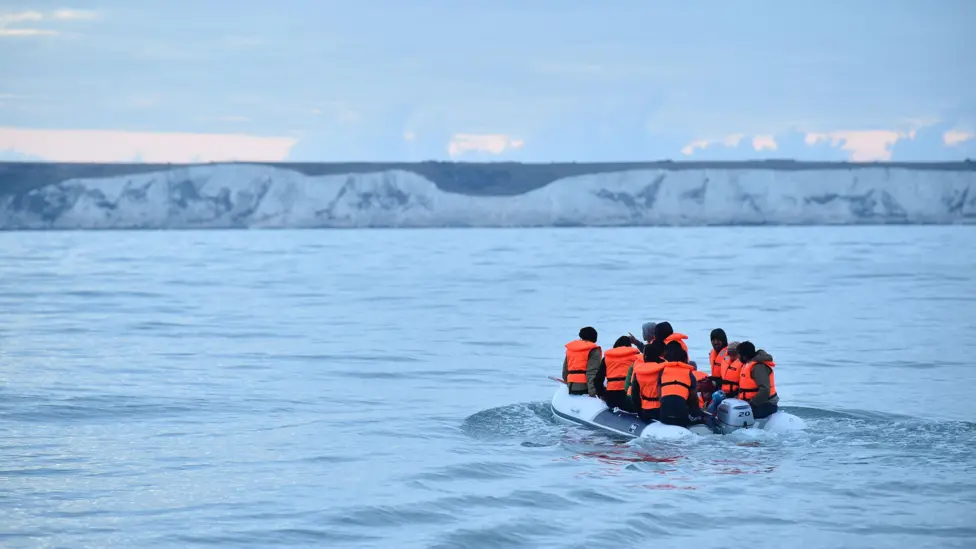
A teenage migrant has become the first person to be charged under the United Kingdom’s new law targeting those accused of endangering others during illegal sea crossings, a case that is likely to set an important legal precedent amid ongoing debate over Channel migration.
Aman Naseri, 18, is accused of piloting a small boat carrying 46 people across the English Channel on 5 January, the first day the new legislation came into force. Prosecutors allege that by steering the vessel without valid entry clearance, Naseri placed the lives of those on board at serious risk.
Appearing at Margate Magistrates Court on Wednesday, Naseri pleaded not guilty to the charge. He told the court that he had been forced to take control of the boat during the crossing, a claim that is expected to form a central part of his defence. Proceedings were conducted with the assistance of a Dari interpreter, as Naseri is an Afghan national.
The new offence was introduced as part of a wider effort by the UK government to deter small boat crossings and disrupt smuggling networks. It allows authorities to prosecute individuals who are deemed to have facilitated or controlled dangerous journeys, even if they are themselves migrants seeking asylum. Supporters of the law argue that it is necessary to prevent further loss of life at sea and to target those responsible for organising crossings.
Critics, however, have warned that the legislation risks criminalising vulnerable people who may be coerced into steering boats under threat or pressure from smugglers. Human rights groups say cases like Naseri’s highlight the complex realities of Channel crossings, where control of a vessel can change hands during a journey and where migrants often act under duress.
According to the prosecution, the boat Naseri is accused of piloting was overcrowded and unsuitable for a winter crossing. The Channel is one of the world’s busiest shipping lanes, and small inflatable boats are frequently at risk from strong currents, cold temperatures and passing commercial vessels. Authorities have repeatedly warned that such crossings are extremely dangerous.
Naseri was remanded into custody following the hearing and is due to appear at Canterbury Crown Court on Friday. The court will consider further evidence and determine how the case should proceed. Legal experts say the outcome could influence how the new law is applied in future cases.
The charge comes against a backdrop of continued political focus on Channel crossings. Despite tougher rhetoric and enforcement measures, people continue to attempt the journey, often driven by conflict, poverty and limited legal routes to claim asylum. Afghan nationals remain among the most common nationalities making such crossings, following years of instability in Afghanistan.
Government ministers have described the new law as a necessary tool to protect lives and restore control over borders. They argue that those who pilot boats play a key role in enabling illegal crossings and should be held accountable. At the same time, officials insist that genuine victims of trafficking will be identified through the legal process.
As the first prosecution under the legislation, Naseri’s case is being closely watched by lawyers, campaigners and policymakers. It raises difficult questions about responsibility, coercion and how the law distinguishes between organisers and those caught up in dangerous journeys.
For now, the teenager remains in custody as the courts prepare to examine the evidence in detail. The decision that follows could shape the enforcement of the new crossing law and define how far the UK is willing to go in holding individuals criminally responsible for perilous journeys across the Channel.