Fashion
Sustainability or Survival The New Reality Facing British Fashion Brands

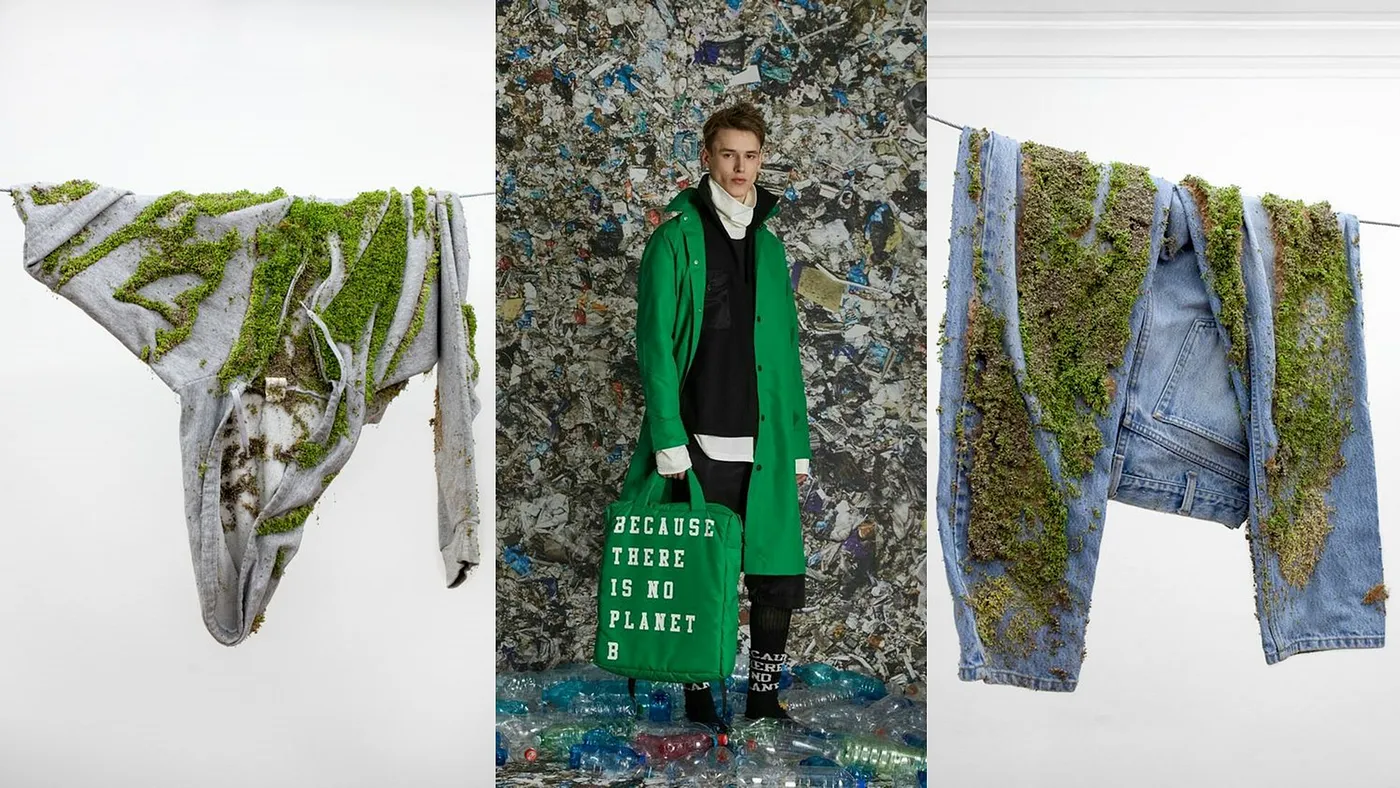
British fashion brands are facing a defining dilemma in 2026. Sustainability is no longer a niche concern or a marketing add on. It has become a central expectation from consumers, regulators, and investors. Yet for many UK fashion businesses, especially mid sized and independent labels, meeting sustainability demands now collides directly with the challenge of financial survival.
Sustainability Shifts From Trend to Requirement
Over the past decade, sustainability has moved from the margins of the fashion industry to its core. UK consumers are increasingly aware of environmental impact, labour conditions, and material sourcing. Terms like ethical fashion and circular design are no longer aspirational language but baseline standards.
Brands that fail to address these concerns risk reputational damage and loss of consumer trust. Younger shoppers, in particular, are more willing to abandon brands perceived as environmentally irresponsible, even when prices are lower.
Rising Costs Put Pressure on Ethical Commitments
While the demand for sustainability has grown, the cost of delivering it has also increased. Sustainable fabrics often cost more than conventional alternatives. Ethical supply chains require audits, certifications, and longer production timelines. For British fashion brands already squeezed by high operating costs, these requirements add further strain.
Small and medium sized brands feel this pressure most acutely. Unlike global fashion giants, they lack the scale to absorb rising costs or negotiate favourable supplier terms. Many face difficult choices between raising prices, cutting margins, or slowing growth.
The Price Sensitivity Problem
One of the central contradictions facing UK fashion brands is consumer price sensitivity. While shoppers express strong support for sustainability, purchasing behaviour does not always align with stated values. In a climate shaped by cost of living pressures, many consumers still prioritise affordability over ethics at the checkout.
This gap between values and spending habits places brands in a difficult position. Raising prices to reflect sustainable practices can reduce competitiveness, particularly when fast fashion alternatives remain widely available and aggressively priced.
Regulation Tightens the Landscape
Government regulation is also reshaping the industry. Environmental reporting requirements, waste reduction targets, and supply chain transparency rules are becoming stricter across the UK and Europe. Compliance is no longer optional, and penalties for non compliance are increasing.
While regulation aims to level the playing field, it often benefits larger brands with compliance teams and legal resources. Smaller companies must divert time and capital away from design and growth to meet regulatory obligations.
Innovation Becomes a Survival Tool
In response, some British fashion brands are turning to innovation as a way forward. New approaches include limited production runs, made to order models, and local manufacturing to reduce waste and transport emissions. Others are investing in resale platforms, repair services, and rental options to extend product life cycles.
Technology is also playing a role. Improved demand forecasting, digital sampling, and data driven inventory management help brands reduce overproduction, one of the biggest sources of environmental harm in fashion.
Branding Authenticity Matters More Than Ever
As sustainability claims multiply, scrutiny has intensified. Consumers are increasingly wary of greenwashing and expect transparency backed by evidence. Brands that exaggerate or misrepresent their sustainability efforts risk backlash and loss of credibility.
Authenticity has become a competitive advantage. Brands that clearly communicate what they can and cannot do, and show measurable progress rather than perfection, tend to build stronger long term relationships with customers.
A Sector at a Crossroads
British fashion is at a crossroads where sustainability and survival are deeply intertwined. Ethical practices are no longer optional, but neither are financial realities. The brands that succeed will be those that integrate sustainability into their core business strategy rather than treating it as an added cost.
2026 may prove to be the year when the UK fashion industry finally reconciles ideals with economics. For many brands, the challenge is no longer whether to be sustainable, but how to remain viable while doing so.