Business
Sterling Ticks Higher as Investors Weigh Rate Outlook and Market Sentiment

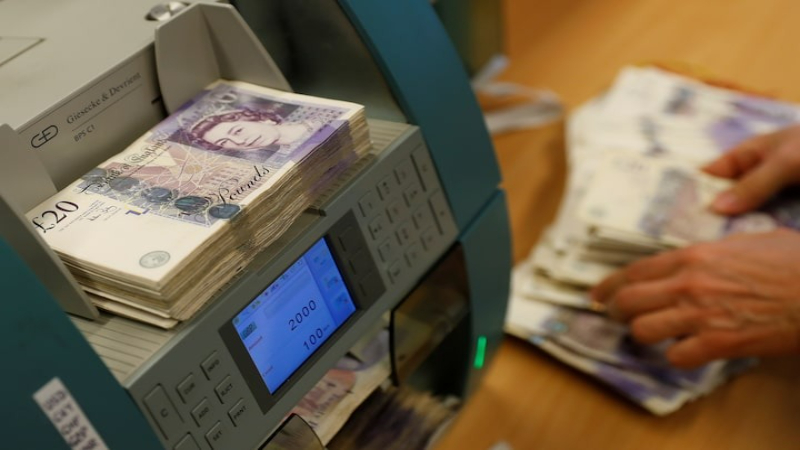
Sterling edged higher against both the dollar and the euro on Wednesday, as currency markets balanced expectations for interest rate divergence with shifting global risk sentiment.
The pound rose modestly to trade around 1.3511 dollars, gaining roughly 0.18 percent on the day. Against the euro, sterling strengthened to about 87.17 pence, recovering slightly from last week’s lows when it touched its weakest level since mid December.
Despite the uptick, the broader outlook for the British currency remains uncertain. Investors are closely watching signals from the Bank of England, particularly after Governor Andrew Bailey indicated that a rate cut in March remains possible. While the central bank held rates steady at its latest meeting, the decision was narrowly split and accompanied by a more cautious tone about the economic outlook.
Markets have interpreted recent comments from policymakers as a sign that borrowing costs could fall later this year if inflation continues to moderate. However, services inflation has proven stickier than expected, complicating the timing of any easing cycle. This divergence between UK monetary policy and that of other major central banks is shaping currency movements.
Sterling is often viewed as a risk sensitive currency, meaning it tends to move in line with global equity markets and broader investor confidence. On Wednesday, traders were cautious ahead of major corporate earnings in the United States, which could influence global market sentiment and in turn impact the pound.
Attention is also turning to fiscal policy. Chancellor Rachel Reeves is due to present updated growth and borrowing forecasts next week, alongside projections from the Office for Budget Responsibility. Although the OBR will not formally assess fiscal headroom at this stage, markets are keen to understand how public finances are evolving.
Gilt yields remain under scrutiny ahead of upcoming bond issuance plans from the UK Debt Management Office. The yield on the 10 year government bond rose slightly after having fallen to its lowest level since late 2024 earlier this week. Movements in gilt yields can influence sterling by affecting the relative attractiveness of UK assets.
Political uncertainty adds another layer of complexity. Prime Minister Keir Starmer faces ongoing scrutiny over domestic issues and internal pressures, factors that can weigh on investor confidence. Currency traders are sensitive to signs of instability, particularly when combined with economic challenges.
For now, sterling’s gains remain modest and largely driven by short term positioning rather than a decisive shift in fundamentals. With monetary policy decisions, fiscal updates and global market developments all in play, the pound is likely to remain responsive to both domestic data and international risk appetite in the weeks ahead.