Latest News
Sterling Gains as UK Economy Shows Strong November Rebound

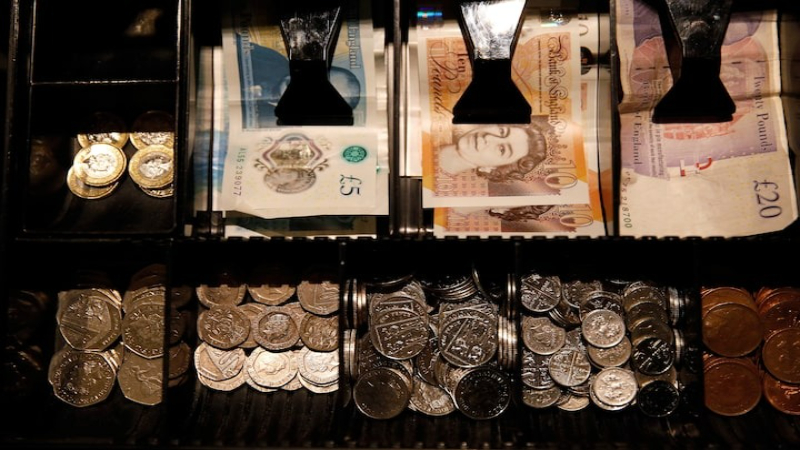
Sterling moved higher at the end of the week as fresh economic data pointed to a stronger than expected rebound in the UK economy, lifting confidence among investors. The pound edged up against both the dollar and the euro and was on course to record its fifth consecutive weekly gain versus the single currency. Market participants reacted positively after figures showed UK economic output expanded at its fastest pace since early summer, easing concerns about a slowdown at the end of the year. Analysts said the data suggested underlying resilience in key sectors, helping to stabilise sentiment around the currency after recent volatility. Sterling’s performance follows two weeks of declines earlier in the month and reflects renewed optimism that growth momentum has not been derailed by fiscal uncertainty or tighter financial conditions. Traders said the move highlights how closely the pound remains tied to domestic economic indicators.
The stronger performance was driven in part by a recovery in manufacturing activity, with full production resuming at Jaguar Land Rover after a cyber incident disrupted output earlier in the year. Economists noted that the rebound helped lift overall growth figures for November, exceeding market expectations. The data also appeared to show limited fallout from concerns surrounding the autumn budget presented by finance minister Rachel Reeves, which some had feared would weigh on business confidence. Instead, output held up better than anticipated, suggesting companies and consumers remained active despite political debate and cost pressures. Analysts said the figures may prompt investors to reassess earlier assumptions about the pace of economic cooling, particularly as services and industrial activity showed signs of stabilisation toward the end of the year.
Attention has also focused on the outlook for interest rates, with markets continuing to price in potential cuts by the Bank of England later this year. While investors broadly expect two quarter point reductions in 2026, expectations for an imminent move remain limited, reflecting the latest economic data. Analysts said stronger growth could reduce the urgency for policymakers to ease borrowing costs in the near term. Matthew Ryan of Ebury said sterling had received a modest boost from the GDP figures and could extend gains if upbeat data dampens expectations for faster rate cuts. However, he cautioned that the currency remains sensitive to upcoming inflation readings and shifts in global market sentiment.
Despite the positive momentum, analysts warned that sterling’s outlook will depend on whether the recent improvement can be sustained into the new year. Investors are now looking ahead to the next release of UK inflation data later this month, which could influence rate expectations and currency positioning. Some market participants said the supportive effect of easing political and fiscal risks has begun to fade, placing greater emphasis on hard economic data. While the pound’s recent gains reflect growing confidence in the UK recovery narrative, traders remain cautious amid global uncertainty and shifting monetary policy expectations. For now, the stronger November figures have given sterling a firmer footing, offering a measure of relief after a period of choppy trading conditions.