News
Starmer Vows to Confront Political Extremes After Labour Falls to Third in Shock Manchester By Election

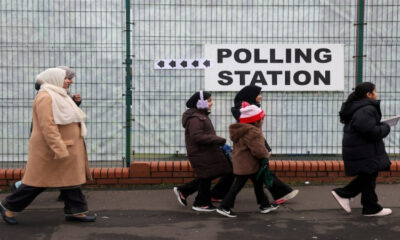
Prime Minister Keir Starmer has pledged to confront what he called political extremes on both the right and the left after Labour suffered a dramatic defeat in the Gorton and Denton by election in Greater Manchester. The result has intensified pressure on the prime minister and exposed widening fractures in Britain’s political landscape.
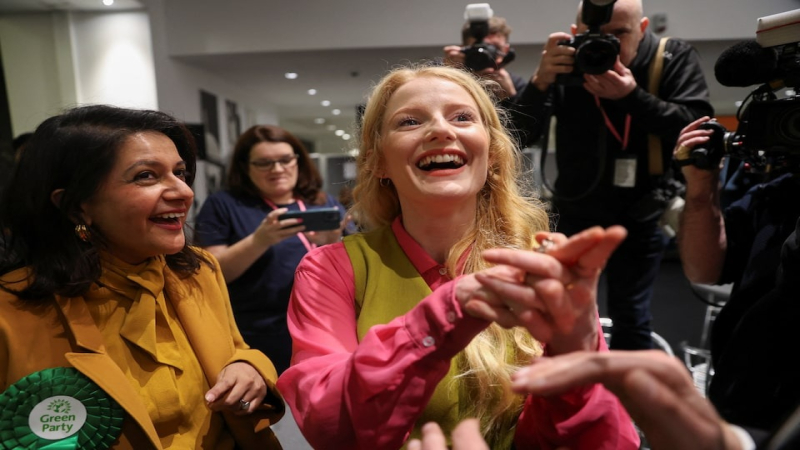
The Green Party’s Hannah Spencer secured victory with 40.7 percent of the vote, marking the party’s first parliamentary by election win in northern England. Reform UK came second with 28.7 percent, while Labour fell to third place on 25.4 percent in what had long been considered a safe seat. The constituency was previously part of Labour’s traditional Red Wall heartlands and had been represented by the party for decades.
Starmer described the outcome as very disappointing and acknowledged voter frustration. Speaking after the result, he said governing parties often face difficult by elections but insisted he would continue working to deliver the change promised at the 2024 general election. He added that he would fight against political extremes and defend what he views as mainstream values in British politics.
The by election was triggered by the resignation of former Labour MP Andrew Gwynne. Starmer had personally visited the constituency during the campaign and prevented Manchester Mayor Andy Burnham from standing, a decision that raised eyebrows within sections of the party. Critics inside Labour argue the campaign focused too heavily on countering Reform UK rather than responding to the Greens’ growing appeal among progressive voters.
Green Party leaders signalled ambitions to build on the breakthrough. Co leader Zack Polanski has previously stated the party aims to win at least 30 seats at the next general election, which must take place by August 2029. With five MPs now in the 650 seat House of Commons, the Greens are positioning themselves as a credible parliamentary force.
Political analysts say the result highlights a broader shift in British politics, where traditional loyalties are weakening and smaller parties are gaining ground. Veteran pollster John Curtice described the outcome as a seismic moment, reflecting volatility that has reshaped politics across much of the West in recent years.
Reform UK leader Nigel Farage also reacted strongly to the result, alleging irregularities and criticising what he described as sectarian voting patterns. The Electoral Commission said it was aware of reports concerning family voting and encouraged anyone who believed an offence had occurred to contact the police.
The setback comes during a turbulent period for Starmer, who has faced internal criticism over several recent decisions, including diplomatic appointments. With local and regional elections scheduled for May, attention is turning to whether Labour can stabilise its support base or whether insurgent parties will continue to chip away at its dominance.