Politics
Starmer Rejects US Claims on Greenland and Reaffirms Danish Sovereignty

A clear statement on Greenland’s future
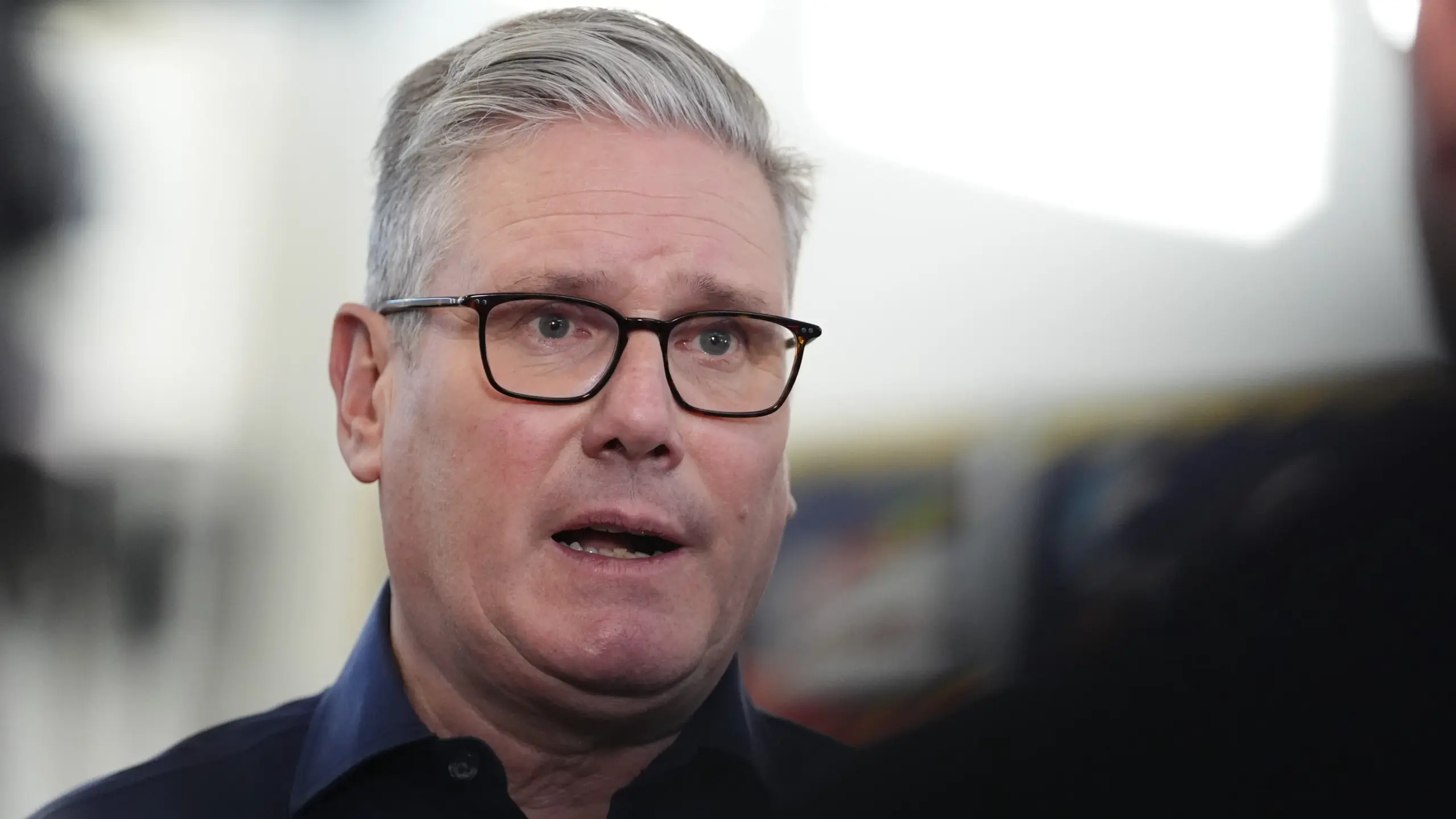
UK Prime Minister Keir Starmer has stated that decisions about Greenland’s future should rest solely with Greenland and Denmark, drawing a firm line amid renewed remarks from Washington. Speaking to the BBC, Starmer emphasized that the semi autonomous Arctic territory is not a matter for external powers to determine, underscoring the principle of self determination at a time of heightened geopolitical attention on the region.
His comments come after US President Donald Trump reiterated claims that the United States needs Greenland for national security reasons. The remarks have revived an ongoing debate about the strategic value of the island and the limits of great power influence.
Why Greenland matters strategically
Greenland occupies a pivotal position in the Arctic, sitting between North America and Europe. As climate change accelerates ice melt, new shipping routes and access to resources are becoming more feasible, increasing the island’s strategic importance. The Arctic is also emerging as a theater for military planning and early warning systems, factors often cited in US security discussions.
The United States already maintains a military presence in Greenland through agreements with Denmark, including facilities used for missile detection and Arctic surveillance. Analysts note that this existing cooperation weakens arguments that annexation is necessary to achieve security objectives.
Denmark’s role and Greenland’s autonomy
Greenland is a self governing territory within the Kingdom of Denmark, with authority over most domestic matters while Copenhagen retains responsibility for defense and foreign policy. Denmark has consistently rejected suggestions that Greenland could be sold or transferred, stressing that the island’s status can only change through the will of its people.
Greenlandic leaders have echoed this position, emphasizing autonomy and the right to shape their own future. While debates continue within Greenland about economic development and potential independence, there is broad agreement that any path forward must be decided locally, not imposed from abroad.
US rhetoric and international response
President Trump’s comments revive ideas he raised during his previous term, when he publicly floated the possibility of acquiring Greenland. At the time, the suggestion was met with firm opposition from Danish officials and skepticism among allies. The renewed rhetoric has again prompted responses emphasizing international law and sovereignty.
Starmer’s intervention reflects a wider European concern about maintaining stability in the Arctic through cooperation rather than unilateral claims. By backing Denmark and Greenland’s right to decide, the UK positions itself alongside allies seeking to avoid escalation over territorial questions.
National security versus sovereignty
Supporters of greater US involvement argue that Greenland’s location makes it indispensable to North American defense. However, critics counter that security needs can be met through alliances and agreements without undermining sovereignty. NATO frameworks already provide mechanisms for cooperation among Arctic states, reducing the need for radical changes to territorial arrangements.
The debate highlights a broader tension in global politics between strategic interests and respect for established borders. As competition intensifies in regions like the Arctic, balancing these priorities is becoming increasingly complex.
What this means for Arctic politics
Starmer’s remarks may not change US rhetoric, but they reinforce a consensus among European leaders that Greenland’s future is not up for negotiation by outside powers. The episode underscores how climate change and shifting security dynamics are drawing attention to regions once considered peripheral.
As Arctic competition grows, diplomacy is likely to play a larger role in managing interests and preventing conflict. For now, the UK’s position adds weight to the argument that cooperation and respect for self determination remain central to stability in the far north.