
Business
Spain takes a firm stance on unlicensed holiday rentals

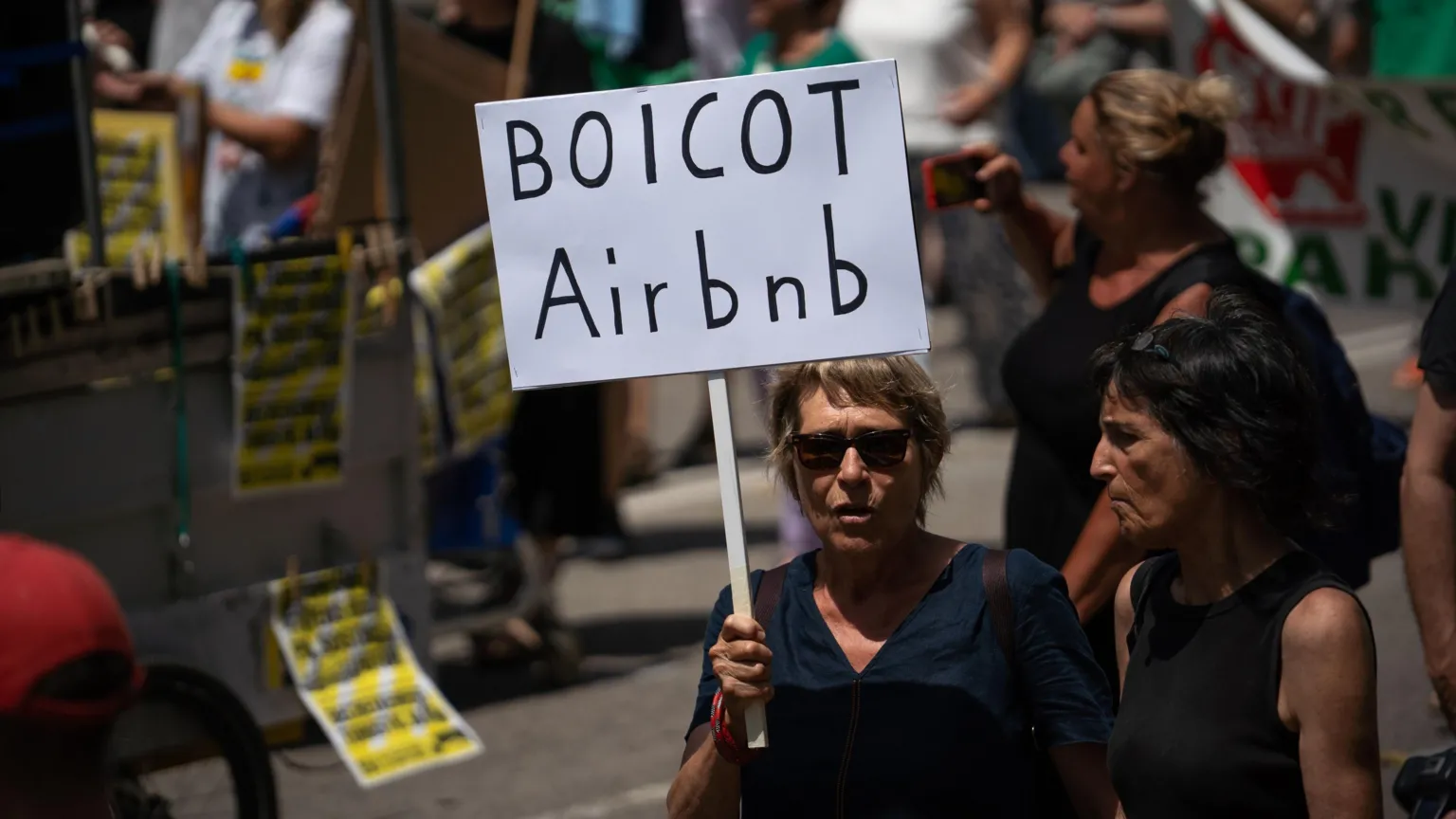
Spain has taken one of its strongest actions yet against short stay rental platforms by fining Airbnb sixty four million euros, roughly fifty six million pounds, for advertising properties that lacked proper licensing. The penalty was issued by the Ministry of Consumer Affairs, which said thousands of listings promoted on the platform violated national housing and consumer protection rules. Authorities also stated that some of the properties being advertised were explicitly banned from being rented to tourists. As part of the ruling, Airbnb has been ordered to remove the offending advertisements from its platform.
Housing pressure meets booming tourism
Spain remains one of the world’s most popular travel destinations, drawing millions of visitors each year to cities, beaches, and historic towns. While tourism continues to fuel economic growth, it has also intensified pressure on the housing market. High demand from short stay visitors has pushed up rental prices in many urban areas, making it increasingly difficult for local residents to find affordable housing. Spanish officials argue that unregulated holiday rentals contribute directly to this imbalance by removing homes from the long term rental market.
Government defends the fine
Consumer rights minister Pablo Bustinduy framed the fine as a necessary intervention to protect families struggling with housing insecurity. In public statements, he emphasized that housing should not be sacrificed for unchecked profit. According to the ministry, more than sixty five thousand Airbnb advertisements breached consumer rules. Violations included listings without valid licenses and cases where license numbers did not match official government registers. The government has also made clear that the fine itself cannot be appealed under administrative procedures.
Airbnb prepares legal challenge
Airbnb has rejected the government’s interpretation of the rules and announced plans to challenge the fine in court. The company says it believes the ministry’s actions conflict with existing regulations. Airbnb has also pointed to regulatory changes introduced in July, stating that it is working closely with Spain’s Ministry of Housing to comply with the new national registration system. The company argues that responsibility should be shared between platforms, hosts, and regulators to ensure compliance without undermining tourism.
Growing public opposition to short stay rentals
Public frustration with holiday rentals has been building across Spain for several years. Protests took place in May ahead of the peak summer season, particularly in cities facing acute housing shortages. Residents argue that neighborhoods have been transformed by a revolving door of visitors, changing community dynamics and raising noise and safety concerns. Local governments have responded with bans, advertising caps, and tighter enforcement, especially in high demand urban areas.
A global regulatory trend
Spain’s action against Airbnb reflects a broader international shift toward stricter regulation of short stay rentals. Cities such as Barcelona, New York, Berlin, Paris, and San Francisco have all imposed limits or licensing requirements. Many of these policies were introduced after complaints about rising rents, party houses, and the loss of residential character in city centers. Regulators increasingly view platforms as active participants in housing markets rather than neutral intermediaries.
From side income to systemic impact
When Airbnb launched in two thousand seven, it was marketed as a way for individuals to earn extra income by renting spare rooms. Its popularity surged around two thousand fourteen as travelers sought cheaper alternatives to hotels. Over time, however, professional operators and large scale landlords entered the market, turning short stay rentals into a commercial industry. This shift has prompted governments like Spain’s to reassess how digital platforms intersect with housing rights and urban planning.



