Latest News
Six Canadian Lawmakers Barred From Entering Occupied West Bank During Delegation Visit

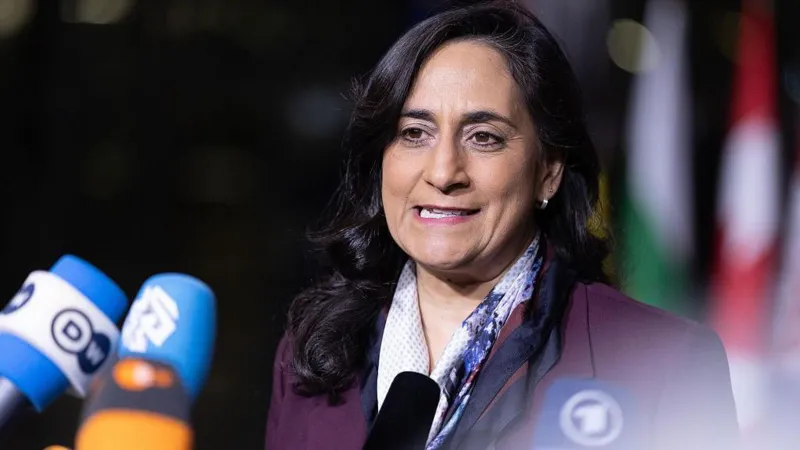
Six Canadian members of parliament were denied entry to the occupied West Bank on Tuesday after Israeli authorities blocked a delegation attempting to cross into the territory from Jordan, triggering diplomatic unease and criticism from organisers of the trip.
The MPs were part of a larger group of 30 people who had planned to visit Israel and the West Bank as part of a fact finding mission organised by The Canadian Muslim Vote, a non profit group focused on civic engagement. The delegation included community leaders, policy advisers, and observers alongside the elected officials.
Israeli authorities prevented the group from entering, citing security concerns linked to the trip’s sponsor. Israel’s ambassador to Canada said the decision was based on alleged connections between The Canadian Muslim Vote and Islamic Relief Worldwide, an international humanitarian organisation that Israel has designated as a terrorist group. The ambassador said the restriction was applied to the entire delegation due to those concerns.
The move has drawn criticism from the organisers and those affected. The Canadian affiliate of Islamic Relief strongly rejected Israel’s designation, saying it is a legitimate humanitarian organisation operating transparently and in line with international standards. The group has long denied any links to extremist activity and continues to operate legally in Canada and many other countries.
The Canadian Muslim Vote also pushed back against the accusations, saying it receives funding only from vetted and lawful donors. In a statement, the organisation said the denial of entry was unjustified and politically motivated, arguing that the delegation’s goal was to better understand conditions on the ground and engage with a range of perspectives.
The six MPs involved have not been accused of any wrongdoing, and their denial has raised questions in Ottawa about the treatment of elected officials travelling on official or semi official missions. Some Canadian lawmakers said the incident was troubling, particularly given that the West Bank visit was intended to include meetings with civil society groups and local communities.
Israel maintains strict controls over access to the West Bank, especially for foreign delegations, activists, and organisations it considers hostile or politically sensitive. Officials argue these measures are necessary for security, while critics say they are used to limit scrutiny and restrict engagement with Palestinian society.
Diplomatic observers note that the incident could complicate relations between Canada and Israel, particularly as it involves sitting members of parliament. While Canada is a close ally of Israel, Ottawa has also repeatedly voiced support for humanitarian access and freedom of movement in the occupied territories.
The denial also reflects a broader pattern in which foreign politicians, academics, and activists have been barred from entering Israel or the West Bank in recent years due to their associations or perceived political views. Human rights groups argue that such actions undermine dialogue and transparency.
For the MPs involved, the decision abruptly ended a trip meant to provide firsthand insight into a long running conflict. Several said they were disappointed but not surprised, noting that access restrictions have increasingly become part of the political landscape surrounding Israel and the Palestinian territories.
As of now, the Canadian government has not announced any formal response, but officials are expected to seek clarification through diplomatic channels. The episode has reignited debate over freedom of movement, political screening, and the role of international visitors in conflict zones where narratives are sharply contested.