Politics
Senior Labour Figures Warn US Action in Venezuela Breaches International Law

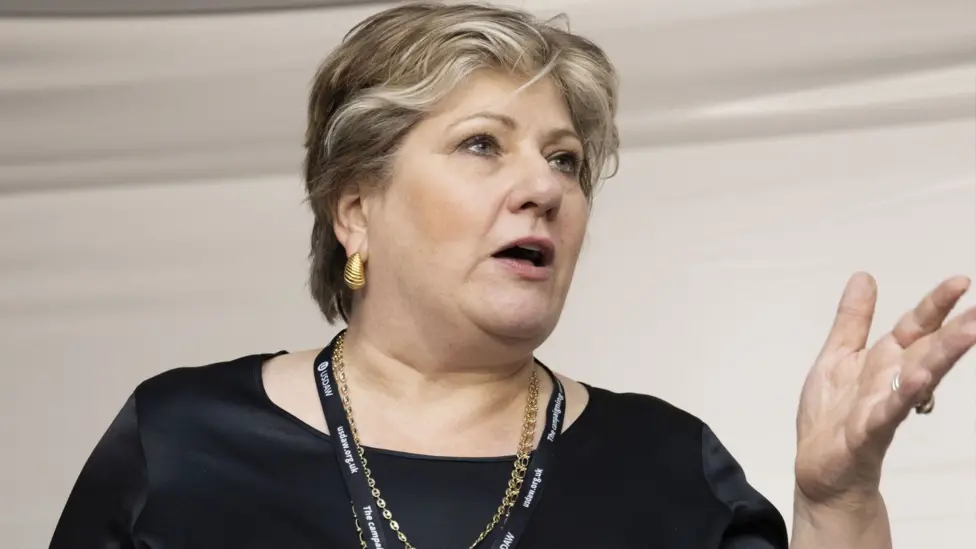
Thornberry challenges legality of US intervention
A senior Labour MP has publicly challenged the legality of recent US military action in Venezuela, marking the strongest criticism so far from within the party. Emily Thornberry, chair of the Commons Foreign Affairs Committee, said the operation breached international law and that the UK government should state clearly that such actions are unacceptable.
Her comments follow US strikes over the weekend that resulted in the seizure of Venezuelan President Nicolás Maduro and his wife. Thornberry’s intervention raises pressure on the UK government to clarify its position on the legality of the operation rather than deferring judgment to Washington.
UK government adopts cautious stance
So far, the UK government has avoided declaring whether the US action was legal. Ministers have insisted that it is for the United States to explain the legal basis for its decision, a position that reflects diplomatic caution but has drawn criticism from across the political spectrum.
This reluctance contrasts with Thornberry’s direct language. As chair of a key parliamentary committee responsible for scrutinising foreign policy, her comments carry institutional weight. She argued that international law exists precisely to prevent powerful states from acting unilaterally and that silence risks undermining those principles.
Growing criticism across parties
Labour criticism is not limited to Thornberry. Other MPs within the party have expressed concern about the precedent set by the strikes. Beyond Labour, opposition has emerged from leaders of the Liberal Democrats, the Greens and the Scottish National Party, indicating broad unease about the implications of the US action.
This cross party response reflects anxiety about escalation and the erosion of international norms. Critics argue that seizing a foreign leader without clear legal justification risks destabilising regions already under strain and weakens the global rules based order the UK has traditionally supported.
Trump and the question of international law
The operation was ordered by US President Donald Trump, whose approach to foreign policy has often prioritised national security arguments over multilateral consensus. Supporters of the action claim it was necessary to address threats posed by the Venezuelan leadership, but details of the legal justification have yet to be fully articulated.
Under international law, the use of force is tightly constrained, typically requiring self defence or authorisation by the United Nations. Without a clear explanation fitting these criteria, legal experts say the action risks being viewed as unlawful intervention.
Implications for UK foreign policy
For the UK, the controversy poses a delicate challenge. The country maintains a close security relationship with the United States while also presenting itself as a defender of international law. Failing to comment on legality may preserve diplomatic ties in the short term but could weaken Britain’s credibility on human rights and global governance.
Thornberry’s remarks suggest a growing willingness within Parliament to confront this tension openly. By calling for clarity, she is urging the government to align its rhetoric with its stated commitment to international rules.
Wider consequences for global order
The debate goes beyond Venezuela. If powerful states act without transparent legal justification, it risks encouraging similar behaviour elsewhere. Smaller nations may feel increasingly vulnerable, while international institutions could struggle to enforce norms.
For critics, the issue is not about defending Maduro’s government, but about defending the system that limits how states use force. They argue that accountability matters regardless of the target.
Pressure builds for a clearer response
As details of the US operation continue to emerge, pressure is likely to grow on the UK government to articulate its position more clearly. Parliamentary scrutiny, combined with cross party concern, suggests the issue will not fade quickly.
Whether the government ultimately declares the action illegal or continues to defer to Washington will signal how it balances alliance politics with legal principle. For now, Thornberry’s intervention has ensured that the question of legality remains firmly on the political agenda.