News
Scottish Government Sets Out Budget Plans Ahead of Election as Taxes and Welfare Shift

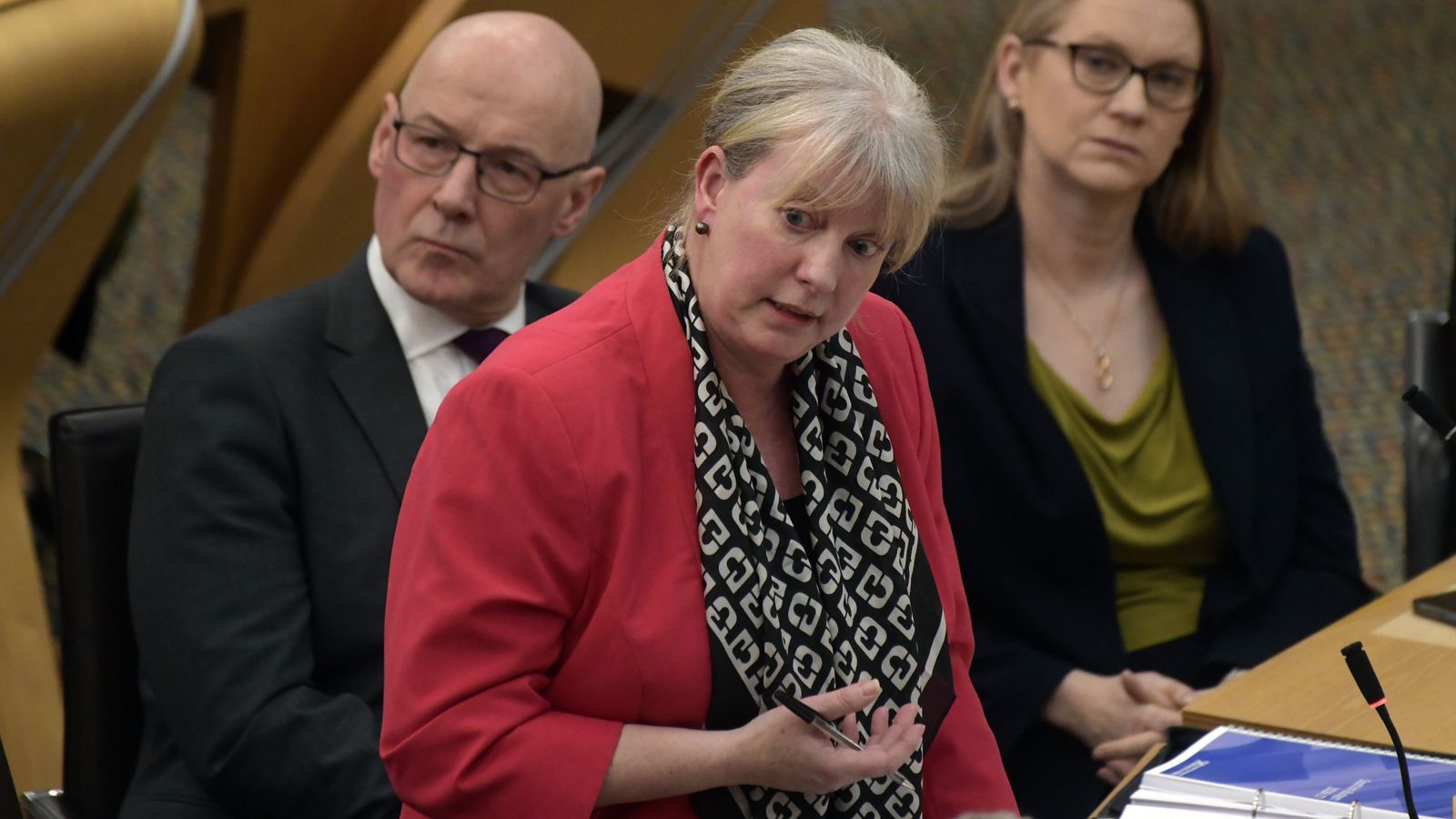
Scotland’s devolved government has unveiled its draft budget for 2026–27, outlining spending priorities and tax changes just four months before voters head to the polls in the next Scottish Parliament election. The proposals, presented at Holyrood on Tuesday, reflect the SNP administration’s attempt to balance cost-of-living pressures with tighter public finances and growing political scrutiny.
Finance Secretary Shona Robison used her budget statement to highlight targeted increases in social support alongside higher taxes for the most valuable properties. Central to the package is a boost to the Scottish Child Payment, a flagship welfare policy designed to support low-income families and tackle child poverty. The payment increase was framed as a direct response to rising household costs and ongoing concerns about inequality.
At the same time, the government confirmed that homes valued at more than £1 million will face higher council tax bills. Ministers argue that asking wealthier households to contribute more is a fair way to protect public services while avoiding deeper cuts elsewhere. Critics, however, say the move risks alienating voters and may not generate as much revenue as expected.
Robison said the budget was shaped by what she described as difficult fiscal realities. Scotland’s finances remain under pressure from inflation, rising demand for public services, and limited borrowing powers. She told MSPs that the government had been forced to make hard choices, but insisted the proposals reflected SNP priorities of fairness, social protection, and long-term investment.
Public services remain a major focus of the spending plans. Health, education, and local government funding feature prominently, with ministers pledging to maintain frontline services despite tighter budgets. However, opposition parties warned that funding increases may not keep pace with demand, particularly in areas such as healthcare staffing, social care, and local authority services.
The timing of the budget has added to its political significance. With the election approaching, parties across the chamber are already positioning themselves for a campaign that is expected to focus heavily on public spending, taxation, and living standards. The SNP hopes the child payment increase will reinforce its social justice credentials, while critics argue the budget fails to address deeper structural challenges in the economy.
Business groups have offered a mixed response. Some welcomed clarity around tax policy and investment priorities, while others expressed concern about the impact of higher property taxes and uncertainty over future fiscal decisions. Local authorities also said they would need to examine the detail carefully to assess what it means for council services and staffing.
Robison defended the government’s approach, saying the budget was about protecting the most vulnerable while ensuring those with the broadest shoulders contribute more. She also pointed to constraints imposed by decisions taken at Westminster, arguing that Scotland’s choices are shaped by funding settlements and economic conditions beyond Holyrood’s control.
Opposition parties were quick to criticise the plans. They accused the SNP of using the budget as an election platform rather than delivering a credible long-term strategy. Some argued that repeated reliance on targeted tax rises risks eroding confidence and fails to stimulate growth.
As the draft budget moves through parliamentary scrutiny, amendments are expected and negotiations with smaller parties could shape the final outcome. For now, the proposals set the tone for a highly charged political period, with spending priorities and tax fairness likely to dominate debate in the run-up to the election.