Latest News
Saving South Africa’s Threatened Albatross From Lethal Fishing Lines

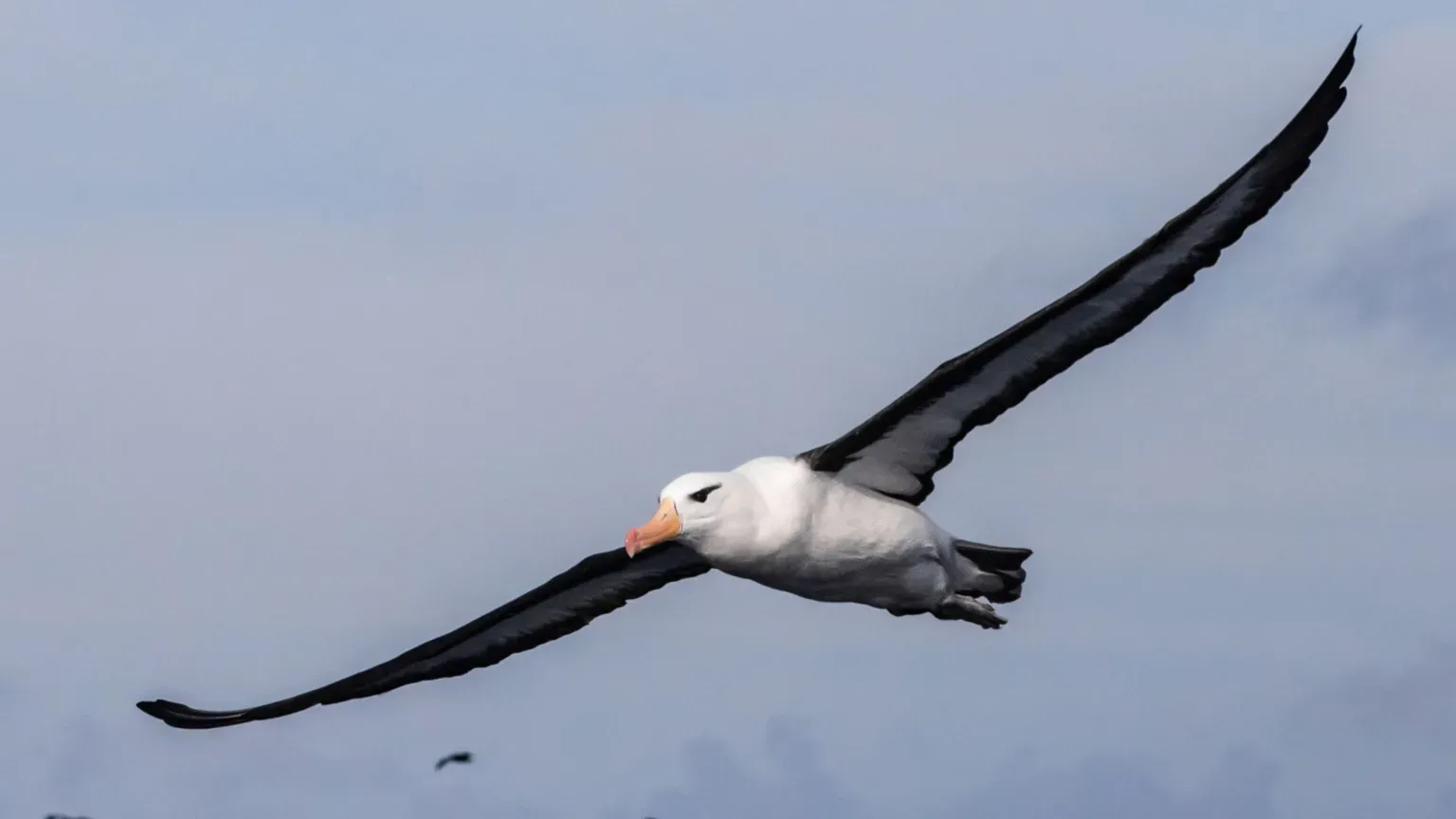
Far out in the Atlantic Ocean, around 27 nautical miles from South Africa’s Cape Point, a small boat drifts alongside a commercial fishing trawler. On board are bird watchers, scanning the sky and calling out names as large seabirds circle overhead. Atlantic yellow nosed, black browed albatross. For many, this is a rare and breathtaking sight. For the birds themselves, it is a dangerous gamble for survival.
Albatrosses are among the most threatened seabirds in the world, and South African waters are a critical feeding ground for several endangered species. These birds have learned to follow fishing vessels, associating them with easy food in the form of discarded fish remains. What looks like an opportunistic feeding strategy has, however, become one of the greatest threats to their existence.
A deadly attraction at sea
As fishing boats haul in their catch, unwanted fish parts are often thrown back into the ocean. This attracts hundreds of seabirds, which trail closely behind trawlers, fighting for scraps. In the chaos, albatrosses frequently dive towards baited hooks or nets, unaware of the danger.
Long line fishing, commonly used to catch species like tuna and swordfish, is particularly deadly. These lines can stretch for kilometres and hold thousands of baited hooks. When albatrosses swoop down to snatch the bait, they can become hooked and dragged underwater, where they drown. Conservationists say this method alone kills tens of thousands of seabirds globally each year.
Why albatrosses are so vulnerable
Albatrosses are long lived birds that take many years to reach breeding age and typically raise only one chick at a time. This slow reproductive cycle means populations struggle to recover when adult birds are lost. Even small increases in mortality can have devastating long term effects.
Many of the species found off South Africa’s coast breed on remote islands in the Southern Ocean. They may travel thousands of kilometres in search of food, crossing international waters and encountering fishing fleets from multiple countries. This wide ranging behaviour makes protecting them especially challenging.
Conservation efforts gaining momentum
In response to the growing crisis, conservation groups and researchers have been working closely with the fishing industry to reduce accidental deaths. Simple measures have proven remarkably effective. These include weighting fishing lines so hooks sink faster, setting lines at night when birds are less active, and using bird scaring lines that trail behind vessels to deter seabirds from approaching hooks.
In South Africa, partnerships between environmental organisations, scientists, and fishing companies have led to significant progress. Some fisheries have adopted best practice measures voluntarily, while others are now required to follow seabird protection rules as part of their operating licences.
The role of awareness and eco tourism
Organisations like Cape Town Pelagics are also playing an important role by raising awareness. By taking bird watchers out to sea, they offer people a chance to see albatrosses up close and understand the risks they face. For many participants, witnessing the sheer number of birds following a single fishing boat is a powerful and unsettling experience.
Conservationists argue that public engagement is vital. When people see these birds in their natural environment, they are more likely to support policies and practices that protect them. Eco tourism, when managed responsibly, can therefore become a tool for conservation rather than a threat.
A fragile future
Despite progress, the danger has not disappeared. Global demand for seafood continues to grow, and fishing pressure remains intense. Without consistent international cooperation, gains made in one region can be undone elsewhere.
Saving South Africa’s albatrosses depends on sustained commitment from governments, fishing industries, and consumers alike. The sight of these birds soaring effortlessly above the waves is one of nature’s great spectacles. Ensuring they do not vanish beneath the surface, caught on unseen hooks, is a responsibility shared far beyond the open ocean.