Business
Rachel Reeves Vows to Steer UK Economy Through Middle East Turmoil

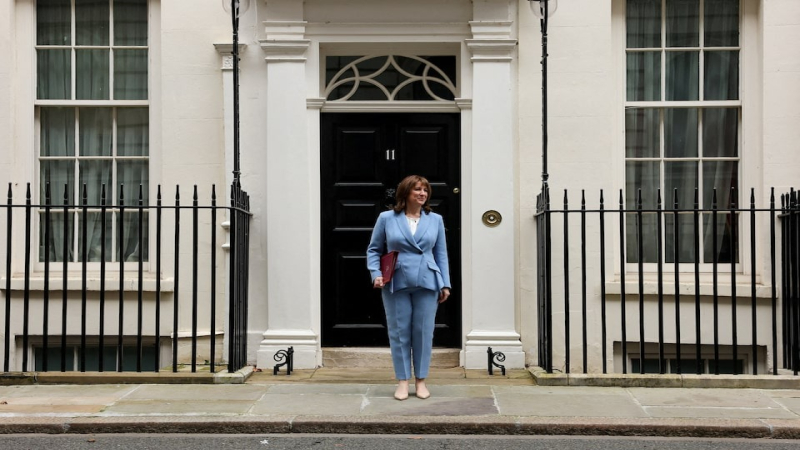
Chancellor of the Exchequer Rachel Reeves has pledged to guide the United Kingdom’s economy through mounting global instability, warning that the escalating conflict in the Middle East presents fresh risks to growth, inflation and public finances.
Speaking in Parliament during her Spring Forecast update, Reeves acknowledged that Britain faces significant economic headwinds as energy prices surge following the intensifying confrontation between the United States, Israel and Iran. She said the government’s economic strategy was designed to provide stability at a time of international uncertainty.
Reeves told lawmakers that securing the economy against external shocks and protecting households from rising costs would remain central to her approach. Britain is particularly vulnerable to energy market volatility, with wholesale gas prices rising sharply in recent days. Any sustained increase is expected to feed into domestic energy bills later this year, placing additional pressure on consumers and businesses.
The Office for Budget Responsibility revised down its economic growth forecast for 2026 to 1.1 percent from a previous estimate of 1.4 percent. While projections for the following two years were lifted slightly to 1.6 percent, the pace remains modest by historical standards. The watchdog cautioned that its forecasts were finalised before the latest escalation in the Gulf and warned that further disruption could have significant consequences for both the global and UK economies.
Britain continues to record the highest inflation rate among the Group of Seven economies. Elevated price pressures have limited the ability of the Bank of England to reduce interest rates as quickly as other central banks. Higher inflation also increases the government’s borrowing costs, particularly because a substantial portion of UK public debt is linked to inflation.
Government bond yields rose for a second consecutive day as investors reacted to the spike in gas prices and broader geopolitical risks. Market participants are increasingly questioning whether interest rate cuts can proceed this year if energy driven inflation persists.
Despite these challenges, Reeves argued that policy consistency and predictability would encourage long term investment. She stressed that stability is essential for economic growth and suggested that a more settled political environment, compared with the turbulence that followed the Brexit referendum, could help restore business confidence.
The chancellor also indicated that the government would soon outline proposals aimed at strengthening post Brexit trade ties with the European Union. Closer economic cooperation with European partners is seen by some analysts as a potential buffer against global shocks.
However, critics remain cautious. Some economists argue that the fiscal outlook is tighter than the government has acknowledged, particularly given Britain’s high level of public debt relative to other advanced economies. Business groups have also raised concerns about higher taxes and employment costs, which they say may weigh on hiring decisions.
Reeves maintained that her economic plan is suited to a world marked by uncertainty and rapid change, as Britain navigates the combined pressures of geopolitical instability, persistent inflation and slower growth.