
Sports
Prem Rugby Talking Points as Feyi Waboso Shines and the Competition Searches for Balance

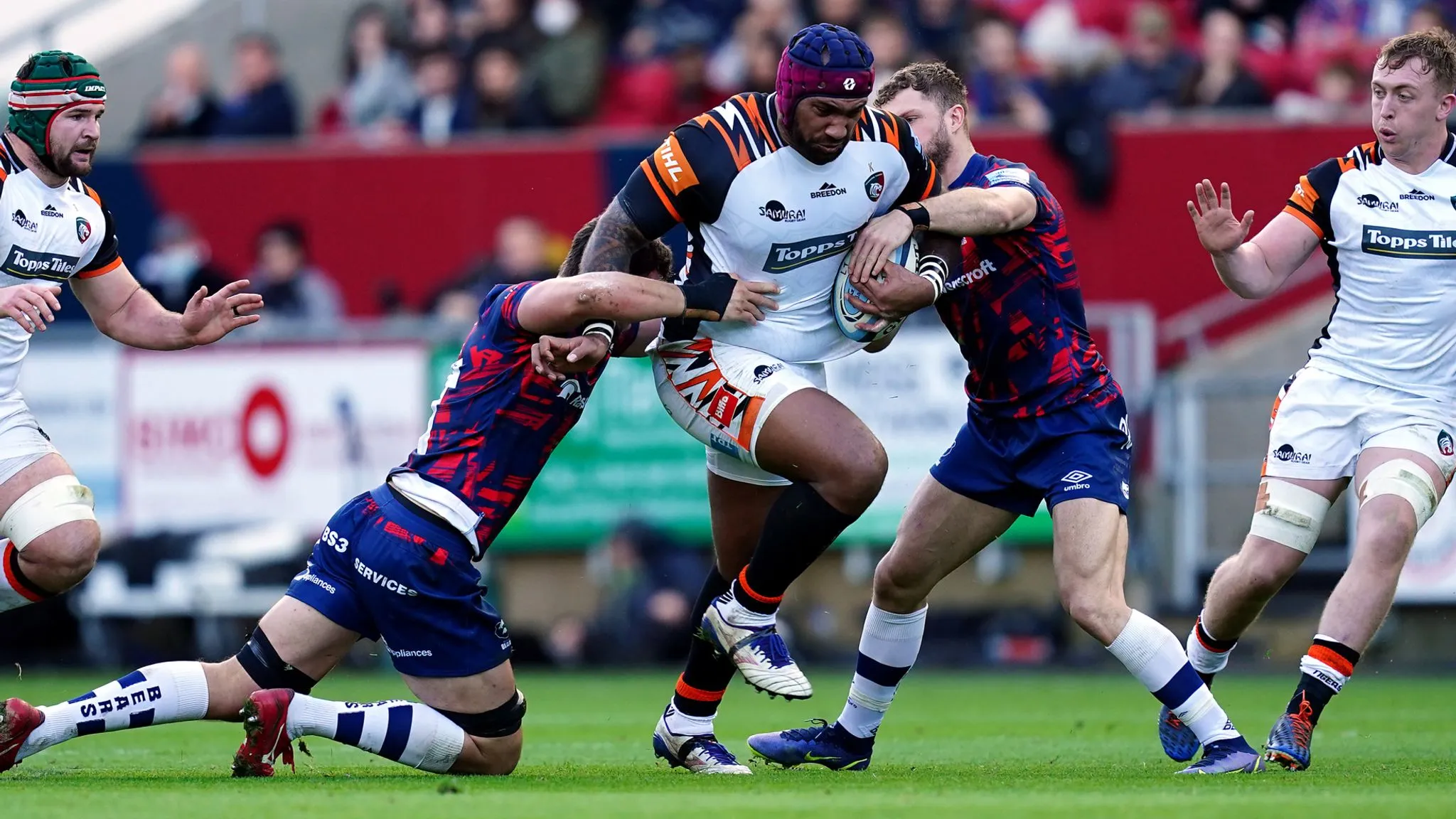
Measuring entertainment in the Premiership
Every season, Premiership Rugby steps back to assess how compelling its product really is. Alongside the annual salary cap report, a set of performance and entertainment metrics are released comparing the English top flight with other rugby competitions. These include the closeness of scorelines, the number of tries scored and how often different clubs lift the title.
These measures matter because they shape how fans experience the league. A competition can be high scoring yet predictable, or tightly contested but low on flair. In recent years, the data suggests the Premiership has struggled to strike the ideal balance between excitement and competitiveness.
What the numbers reveal about recent seasons
In the 2021 to 2022 season, nearly half of all Premiership matches finished with the two teams separated by seven points or fewer. That level of competitiveness kept fans engaged deep into matches and reinforced the league’s reputation for drama.
More recently, the picture has shifted. Last season produced an all time high of eight tries per game, a statistic that suggests attacking rugby is flourishing. However, those tries increasingly came in matches where the outcome was less in doubt. More points did not necessarily translate into more tension, raising questions about whether entertainment is being measured in the right way.
Feyi Waboso brings spark and unpredictability
Amid these trends, individual brilliance continues to cut through. Immanuel Feyi-Waboso has emerged as one of the most eye catching players in the league, injecting pace and confidence into every appearance. His performances have stood out not just for technical quality, but for the sense that something unexpected can happen whenever he has the ball.
Players like Feyi Waboso offer a reminder that star power still matters. Even in games that drift toward one sided scorelines, moments of individual flair can re engage supporters and provide highlights that resonate beyond the final whistle.
The role of personality and edge
Rugby has traditionally presented itself as respectful and restrained, but recent seasons have seen a growing acceptance of personality and edge. On field exchanges and verbal jousting have added spice, particularly among competitive half backs and forwards. These moments divide opinion but undeniably draw attention.
Figures such as AJ MacGinty and Alex Quirke have found themselves central to debates about control, temperament and leadership. Whether viewed as fire or friction, these dynamics contribute to the league’s narrative and fan engagement.
Tries versus tension
The Premiership’s current challenge lies in reconciling attacking ambition with competitive balance. High scoring games are visually appealing, but fans often remember matches decided by a single moment rather than a blowout. When too many fixtures become lopsided, even spectacular tries can lose impact.
Salary cap constraints, squad depth and financial pressures have all influenced this shift. Some clubs struggle to maintain consistency across a season, while others dominate phases of the campaign. The result is a league that feels exciting in bursts but uneven week to week.
Why competitive balance still matters most
Variety of winners and close finishes have long been pillars of the Premiership’s identity. When supporters believe any team can win on a given weekend, attendance and interest follow. The data showing fewer close games is therefore a warning sign, not a footnote.
League officials and club coaches are increasingly aware that entertainment is not just about points scored. It is about jeopardy, momentum swings and the sense that every match matters until the end.
Looking ahead for the Premiership
The coming seasons will be crucial in defining the Premiership’s direction. Encouraging attacking rugby while restoring competitive balance will require careful regulation, smart coaching and continued investment in young talent.
With players like Feyi Waboso showcasing what is possible, the ingredients for a compelling league are clearly there. The challenge now is turning individual sparkle into a consistently gripping competition that delivers both tries and tension in equal measure.



