Business
Pound Falls to Two Month Low Against Dollar as Middle East Tensions Weigh on Markets

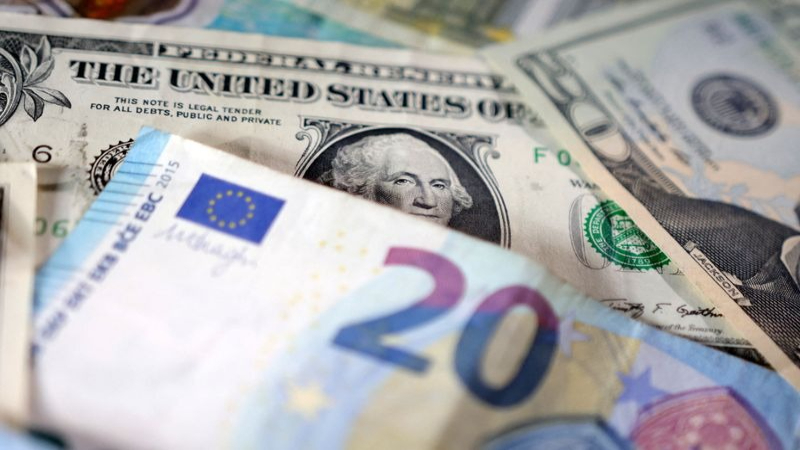
Sterling slipped to its lowest level in more than two months against the US dollar on Monday, as escalating tensions in the Middle East pushed investors towards safe haven assets and renewed uncertainty over the UK policy outlook weighed on the currency.
The pound dropped as much as 0.68 percent to 1.3315 dollars during trading, marking its weakest point since mid December, before recovering slightly to trade near 1.3393 dollars later in the session. Against the euro, sterling edged lower, with the single currency rising to around 87.68 pence.
Market analysts said the sharp move reflected a broader shift in investor sentiment. Rising geopolitical risk linked to the Iran conflict has boosted demand for the dollar, traditionally viewed as a safe haven in times of global instability. Higher oil prices have also strengthened the US currency while adding to inflation concerns internationally.
At the same time, domestic political developments have added further pressure on the pound. A recent local election defeat for Prime Minister Keir Starmer’s Labour party in northern England has fuelled speculation about potential shifts in fiscal policy. Some investors are concerned that greater influence from the party’s soft left wing could lead to increased public spending, which may widen budget deficits and impact confidence in UK assets.
Strategists at major banks have noted that political uncertainty is feeding into expectations of a higher risk premium for sterling. According to market estimates, that premium has already grown in recent weeks and could widen further depending on how the government signals its economic direction.
Attention is also focused on the Bank of England’s monetary policy path. Short dated UK government bond yields remain close to multi year lows, reinforcing expectations that the central bank may adopt a more dovish stance if economic conditions soften. The yield on the two year gilt was last around 3.55 percent, slightly higher on the day but still near its lowest level since August 2024.
Currency strategists said that for now financial markets are showing caution rather than outright stress. However, they warned that sterling’s ability to mount a sustained recovery may be limited unless there is greater clarity from policymakers.
In contrast, German two year bond yields moved higher as inflation concerns mounted in the euro area, supporting the euro in cross currency trading.
With global markets closely watching both geopolitical developments and signals from central banks, sterling is likely to remain sensitive to shifts in risk appetite and policy expectations in the weeks ahead.