Business
Pound Falls to Three Month Low as Oil Surge Clouds UK Interest Rate Outlook

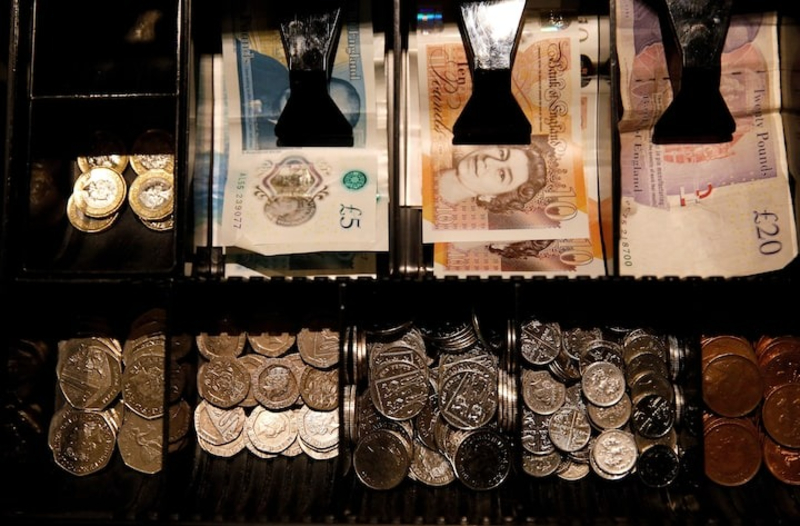
The British pound slid to its lowest level in three months as escalating tensions in the Middle East pushed oil prices sharply higher, reviving concerns about inflation and complicating expectations for interest rate cuts in the United Kingdom.
Sterling fell around 0.65 percent against the US dollar, trading near 1.33, while remaining broadly steady against the euro. The decline reflects growing investor caution as energy markets react to the intensifying conflict involving Iran, the United States and Israel.
Brent crude climbed close to 85 dollars per barrel at one point, marking its highest level since mid 2024, before easing slightly. US West Texas Intermediate also posted strong gains. The surge in oil prices has prompted renewed worries about imported inflation in Britain, where energy costs play a significant role in consumer prices and business expenses.
Currency analysts say the move highlights how sensitive sterling remains to global risk sentiment. The pound has already faced pressure in recent weeks amid concerns about the UK’s economic growth outlook and domestic political uncertainty. The latest geopolitical developments have added another layer of volatility.
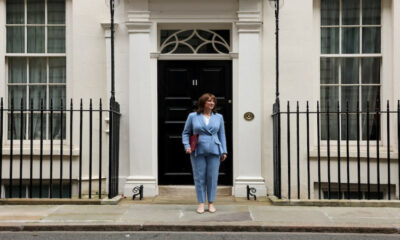
In her latest budget update, Chancellor Rachel Reeves said the UK economy is now forecast to grow by 1.1 percent this year, according to revised projections from the Office for Budget Responsibility. That figure represents a downgrade from earlier expectations and underscores the fragile state of the recovery.
Investors are now reassessing the path of monetary policy. Market pricing indicates a sharp drop in expectations for a near term interest rate cut by the Bank of England. Traders had previously assigned a strong probability to a reduction in borrowing costs at the central bank’s upcoming meeting, but that likelihood has fallen significantly as inflation risks rise.
Higher oil prices could feed into transport, manufacturing and household energy bills, potentially keeping overall inflation elevated for longer. Britain continues to record one of the highest inflation rates among major advanced economies, limiting the Bank of England’s flexibility compared with other central banks.
Government bond yields also rose for a second consecutive session, reflecting concerns that sustained energy price increases may delay any easing in monetary policy. Rising yields can increase borrowing costs for the government and influence mortgage rates across the country.
The currency’s weakness comes at a delicate time for UK assets. Recent data showed that the economy barely expanded in the final quarter of 2025, reinforcing concerns about momentum heading into the new year. Political developments have also added to uncertainty, with investors closely watching the stability of the government amid shifting electoral dynamics.
Market participants say much will depend on how long the Middle East conflict persists and whether oil prices remain elevated. For now, the combination of geopolitical risk, softer growth forecasts and inflation pressures has placed sterling under renewed strain in global currency markets.