News
Palestinian embassy in the UK officially inaugurated

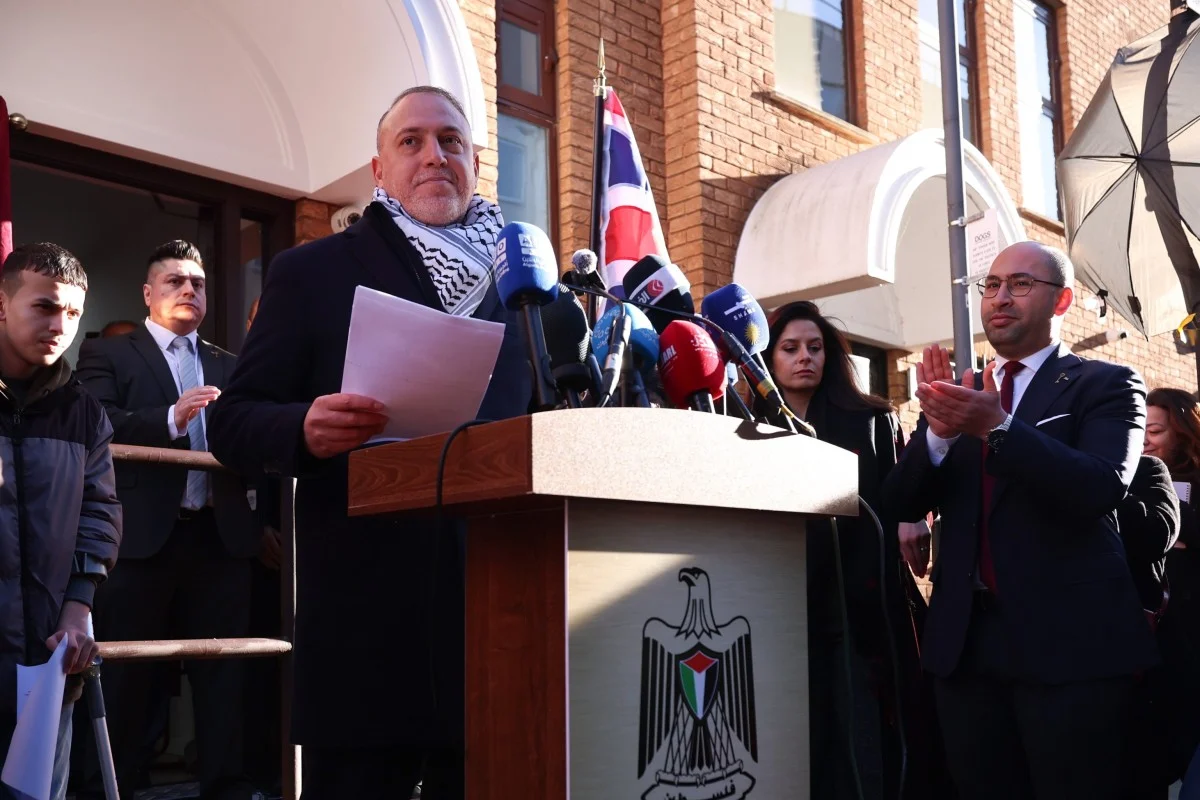
The Palestinian diplomatic mission in the United Kingdom has been formally upgraded to full embassy status, marking what Palestinian officials described as a historic step in bilateral relations. The inauguration ceremony in London was attended by diplomats, politicians and members of the Palestinian community, underscoring the symbolic and political significance of the move.
Palestinian ambassador Husam Zomlot said the upgrade from a mission to an embassy represented international recognition of the Palestinian people’s political identity and aspirations. Speaking at the event, Zomlot described the moment as a milestone not only for Palestine but also for supporters of diplomacy and international law. He said the change reflected years of engagement with British institutions and civil society.
The embassy status does not alter the United Kingdom’s formal position on Palestinian statehood, which remains tied to a negotiated two state solution. However, officials say the move carries practical and symbolic weight. As a full embassy, the Palestinian mission gains enhanced diplomatic standing, clearer parity with other foreign representations and greater visibility in political and public life.
UK officials present at the ceremony emphasised that the decision reflects a commitment to dialogue and engagement. While London continues to call for a negotiated settlement between Israelis and Palestinians, the embassy inauguration was framed as recognition of the importance of maintaining open diplomatic channels with Palestinian representatives.
For Palestinian leaders, the upgrade comes at a time of heightened international focus on the conflict in Gaza and the West Bank. Zomlot said the embassy would serve as a platform to advocate for ceasefire efforts, humanitarian access and renewed political negotiations. He stressed that diplomacy remains essential even amid deep frustration over stalled peace efforts.
The change also holds significance for the Palestinian diaspora in Britain, estimated to number in the tens of thousands. Community leaders say embassy status strengthens representation and provides a clearer institutional link between Palestinians in the UK and their political leadership. Several attendees at the inauguration described the moment as emotionally powerful, reflecting decades of struggle for recognition.
Analysts note that while embassy status does not equate to full recognition of a sovereign Palestinian state, it places Palestine on a more equal footing with other diplomatic actors in London. It may also influence how Palestinian issues are addressed in parliamentary discussions, media coverage and civil society debates.
The decision comes amid broader shifts in how countries engage with Palestine globally. A growing number of states have taken steps to elevate diplomatic relations, citing concerns over humanitarian conditions and the lack of progress toward a lasting political settlement. Supporters argue that stronger diplomatic recognition can help rebalance negotiations and reinforce international legal frameworks.
Critics, however, caution that symbolic upgrades risk raising expectations without delivering concrete change on the ground. They argue that diplomatic gestures must be matched by renewed efforts to restart credible peace talks and address security concerns on all sides.
Zomlot acknowledged these challenges but said the embassy would focus on practical diplomacy rather than symbolism alone. He said its role would include engagement with British lawmakers, cooperation with humanitarian organisations and dialogue with Jewish and Arab communities in the UK.
As the Palestinian flag was raised outside the newly designated embassy building, the message from Palestinian officials was one of cautious optimism. While the path to statehood remains uncertain, the inauguration was presented as a step toward greater political presence and international engagement in one of the world’s most closely watched diplomatic arenas.