News
Oxford Street Pedestrianisation Approved as Mayor Confirms Traffic Ban Plan

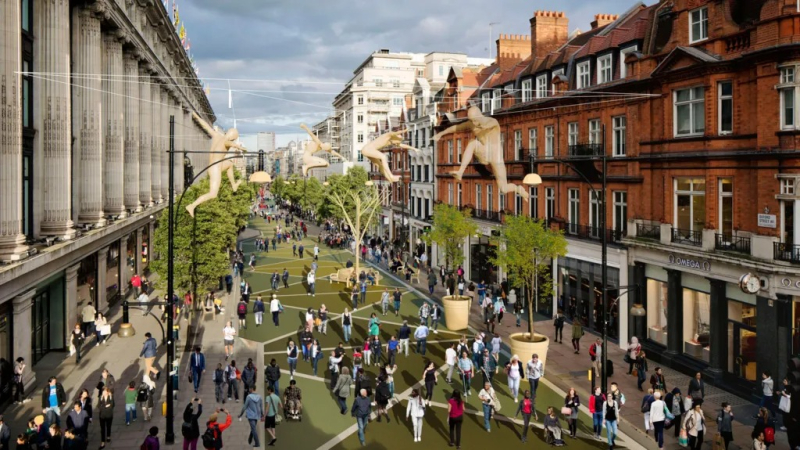
The long debated plan to pedestrianise Oxford Street has now received final approval, clearing the way for one of the most significant transformations of central London in decades. Mayor Sadiq Khan has formally instructed Transport for London to move forward with removing vehicles from a major stretch of the capital’s busiest shopping destination.
Under the approved plans, traffic will be removed from Oxford Street between Great Portland Street and Orchard Street. City Hall confirmed that the decision follows two rounds of public consultation, including a second phase focused on proposed traffic diversions in surrounding areas. Around 2,700 people responded to the latest consultation, with a majority backing the scheme.
Oxford Street has faced mounting challenges in recent years, including declining retail footfall during the pandemic, increased vacancy rates, and growing competition from online shopping. Supporters of the pedestrianisation argue that reducing traffic congestion and air pollution will help restore the street’s appeal as a world class retail and cultural destination.
The proposal aims to create a cleaner and more welcoming environment for shoppers, visitors and workers. Plans include wider walking areas, improved landscaping, additional greenery, public seating, and space for art installations and events. The redesign is intended to prioritise pedestrians while improving safety and accessibility for disabled visitors and families.
Officials hope that vehicles will be removed from the designated section by September, marking the first major milestone in the project. Further works to enhance public spaces will follow in stages. TfL will also introduce traffic management measures on nearby roads to address concerns about congestion and diversion routes.
Business groups have largely welcomed the move, arguing that a pedestrian friendly Oxford Street could attract higher visitor numbers and boost retail spending. The street, which attracts millions of shoppers annually, has long struggled with heavy bus and taxi traffic, crowded pavements and air quality concerns.
However, some local residents and businesses have expressed worries about increased traffic on surrounding streets and potential disruption during the transition period. City Hall has said that monitoring systems will be put in place to track traffic flow, pollution levels and economic impact once the scheme is implemented.
The mayor has framed the decision as part of a broader strategy to revitalise central London and support economic recovery. By creating more public space and improving environmental conditions, the project is designed to strengthen the capital’s global reputation as a leading shopping and tourism destination.