
Latest News
One Dead and Dozens Hurt as Powerful Earthquake Jolts Mexico City and Acapulco

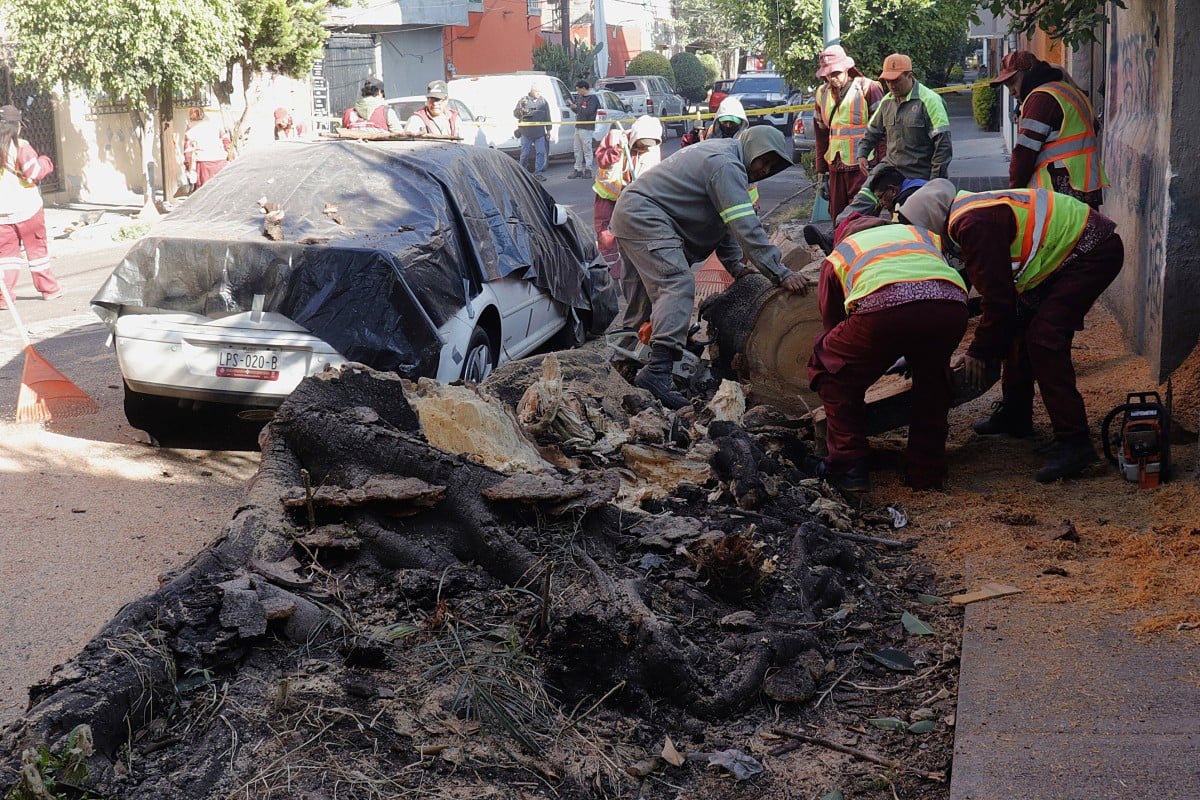
Early morning quake disrupts holiday calm
A strong earthquake measuring 6.5 in magnitude struck Mexico early Friday morning, shaking both the country’s capital and a popular Pacific coast resort, leaving one person dead and at least twelve others injured. The tremor hit just before eight in the morning, disrupting what had been a quiet holiday period and sending residents rushing outdoors in fear.
According to the US Geological Survey, the quake’s epicentre was located near Acapulco, a major port city and well known beach destination. Although structural damage was limited, the human impact was immediate, particularly in densely populated urban areas.
Fatality linked to evacuation panic
The single confirmed fatality occurred in Mexico City, where a 60 year old man died after falling while evacuating his second floor apartment. Authorities said the man sustained severe injuries during the evacuation and later succumbed despite medical attention.
The incident underscores how panic and hurried movement during earthquakes can be as dangerous as the shaking itself. Emergency services reported that several of the injured suffered fractures, cuts, or trauma while attempting to flee buildings after seismic alarms sounded across the capital.
Strong shaking felt hundreds of kilometres away
Although the quake originated near the coast, its effects were felt far inland. Mexico City, located roughly four hundred kilometres north of the epicentre, experienced noticeable shaking that lasted several seconds. Seismic alarms, part of the city’s early warning system, were triggered, prompting residents to evacuate homes, offices, and hotels.
Videos shared on social media showed people gathering in streets and open spaces, some wrapped in blankets, others still in sleepwear, reflecting the suddenness of the event. In Acapulco, tourists and locals alike reported being jolted awake as buildings swayed.
Limited structural damage reported
Despite the strength of the earthquake, initial assessments indicated no widespread structural collapse. Local authorities in both Mexico City and Acapulco said buildings generally held up well, crediting stricter construction standards introduced after previous devastating earthquakes.
In Acapulco, officials inspected hotels and beachfront properties for cracks or hidden damage, while port operations were temporarily paused as a precaution. In the capital, transport systems were briefly checked before resuming normal service.
Emergency officials stressed that inspections would continue throughout the day to identify any delayed risks, particularly in older buildings.
Emergency response and public safety measures
Emergency services were deployed quickly following the quake. Ambulances responded to injury calls, and police cordoned off areas where debris had fallen. Hospitals were placed on alert, though authorities said the healthcare system was not overwhelmed.
Officials also urged residents to remain cautious, warning that aftershocks are common following earthquakes of this magnitude. Public messaging focused on avoiding damaged structures and staying informed through official channels.
Mexico’s civil protection agencies highlighted the importance of earthquake preparedness, noting that drills and early warning systems played a role in preventing a higher death toll.
A reminder of Mexico’s seismic reality
Mexico sits on several active tectonic plates, making earthquakes a recurring reality. Major cities like Mexico City are particularly vulnerable due to their location atop ancient lakebeds, which can amplify seismic waves.
While this latest quake did not result in catastrophic damage, it revived memories of past disasters that caused widespread destruction and loss of life. Each significant tremor renews public awareness of the constant risk and the importance of readiness.
Impact on tourism and daily life
In Acapulco, a destination heavily reliant on tourism, the quake briefly disrupted hotel operations and beach activities. Tourists reported alarm but largely praised staff for guiding evacuations calmly and efficiently.
In Mexico City, daily routines were interrupted as offices delayed openings and residents checked homes for damage. The timing, during a holiday period, meant more people were at home, which may have contributed to the higher number of evacuation related injuries.
Earthquake highlights human vulnerability
While the physical damage from the quake was limited, the human consequences were stark. The death of one resident and injuries to others highlight how natural disasters can quickly turn ordinary moments into emergencies.
The event served as another reminder that preparedness, calm response, and public awareness remain critical in earthquake prone regions. Even when buildings stand firm, human safety depends on how people react in the crucial moments after the ground begins to shake.



