News
Now Is the Moment for England to Grow Up in the Ashes

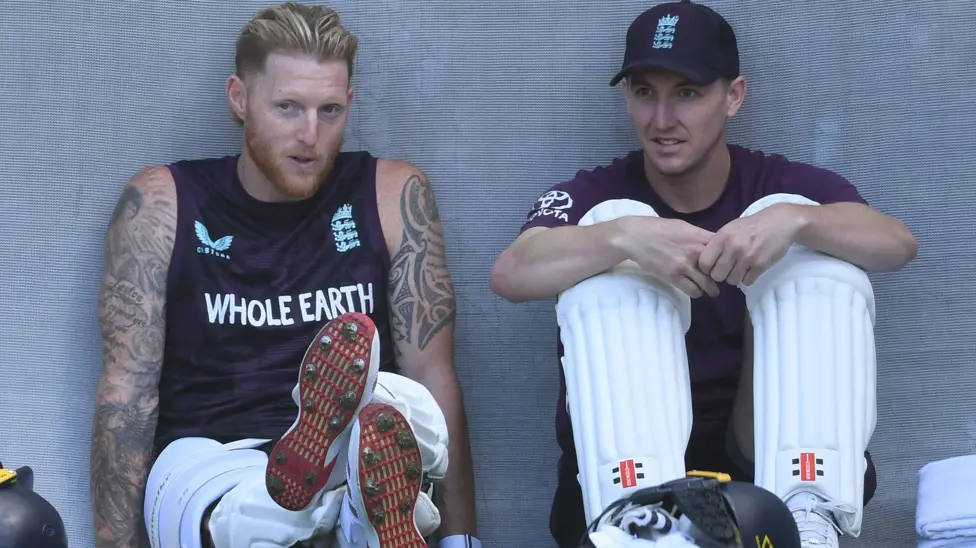
Sport offers a strange kind of comfort when watched from the outside. With hindsight, decisions are easier to judge, mistakes clearer to spot, and alternative paths feel obvious. Playing the game in real time is far harder. England’s men are now facing that uncomfortable divide between theory and reality as their Ashes campaign reaches a defining moment.
At two nil down in the series, England arrive at a crossroads. Anything other than victory against Australia in Adelaide will intensify scrutiny as the tour moves on to Melbourne, Sydney and beyond. Pressure, which England’s leadership has often spoken about softening or removing, is now unavoidable. Hindsight is beginning to glare harshly at how this campaign was prepared and managed.
Questions are being asked about the build up to the Ashes and the decisions that shaped it. When Zak Crawley was injured last year, England chose not to test a specialist opener. Instead, uncertainty followed with Ollie Pope and Jacob Bethell shuffled at number three. There was also no specialist reserve wicketkeeper taken on tour, nor an additional frontline spinner to support Shoaib Bashir. Each call might have seemed defensible at the time, but together they now look like cracks in planning rather than bold strategy.
Selection and preparation were not the only areas under scrutiny. The absence of a specialist fielding coach following Paul Collingwood’s departure has not gone unnoticed, particularly after costly lapses in the field. There were also raised eyebrows over Brydon Carse being placed in a Perth hotel connected to a casino, a decision that appeared careless given his previous betting related suspension. These moments, viewed now, suggest a lack of hard edged realism in managing risk.
Then there is the mid series break in Noosa. For now, judgment is suspended. It may yet be remembered as inspired man management or as a distraction at the wrong time. English cricket has seen similar moments before, some remembered fondly, others as cautionary tales.
After the defeat in Brisbane, criticism sharpened. Talk of mental fragility and soft edges began to surface. Captain Ben Stokes and coach Brendon McCullum are not strangers to scrutiny. They have deliberately shaped this team’s culture around freedom, positivity, and playing without fear. That philosophy has delivered memorable moments, but it also demands accountability when results turn.
England’s leaders have often spoken about shielding players from expectation. Yet Test cricket at this level does not allow escape from consequence. Sometimes the only way through pressure is to face it head on. The rain does not stop because you talk about sunshine.
Now England must respond not with slogans but with substance. Playing like adults means accepting responsibility, tightening standards, and making fewer excuses. The Ashes are unforgiving, and Australia will offer no mercy. If England are to revive this series, it will require clarity, toughness, and a willingness to confront reality rather than explain it away.
The time for comfort has passed. England are soaked. What matters now is whether they can still stand upright.