
Politics
Nigel Farage Avoids Police Investigation Over Campaign Spending

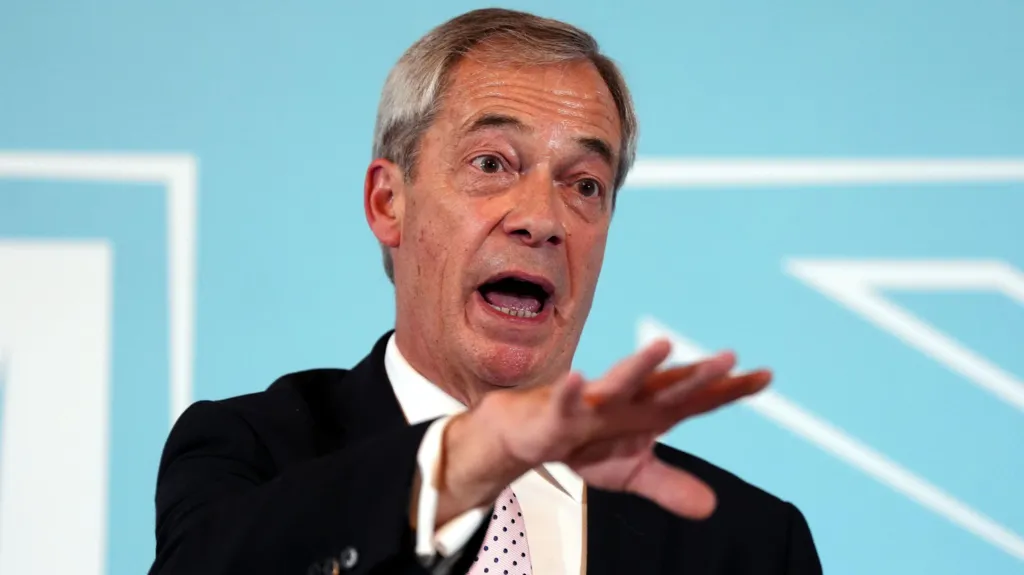
Nigel Farage, leader of Reform UK and MP for Clacton, will not face a police investigation over allegations that his party exceeded spending limits during the 2024 general election campaign. Essex Police confirmed that no action could be taken because more than a year has passed since the alleged offence.
The allegations emerged after a former member of Farage’s campaign team claimed that Reform UK had spent more than the £20,660 legal limit on its campaign in Clacton. Such spending limits are set under UK election law to ensure a level playing field for all candidates and maintain transparency in campaign finance.
However, a police spokeswoman clarified that “any prosecution for such an offence must commence within one year.” Because the deadline for bringing charges had already passed, Essex Police said it was unable to launch an investigation. This effectively ends the matter from a legal perspective, although it may still fuel political debate and media scrutiny.
Farage, a well-known figure in British politics and the former leader of the Brexit Party, has often faced controversy over campaign practices and political strategy. While Reform UK has grown its profile in recent years, allegations of overspending have been a recurring point of contention in media coverage and among political opponents.
The timing of the announcement is significant, coming amid ongoing debates over electoral integrity and transparency in the UK. Critics argue that the enforcement of campaign spending rules must be rigorous to maintain public trust, while supporters of Farage may see the decision as vindication against what they perceive as politically motivated claims.
Election spending laws in the UK are strictly regulated. Any candidate or party found to exceed limits can face fines or legal sanctions, and in extreme cases, criminal prosecution. Enforcement is typically time-sensitive, as illustrated by the Essex Police ruling, which highlights the importance of prompt reporting and investigation.
Political analysts suggest that while Farage will not face legal consequences, the allegations could still influence public perception, particularly among voters concerned with transparency and accountability in political campaigns. The episode may also have implications for Reform UK’s campaign strategies in future elections, as parties seek to avoid similar controversies.
For Farage, this marks the end of a potential legal threat, allowing him to focus on parliamentary duties and party leadership without the distraction of a formal police inquiry. Nonetheless, the case serves as a reminder of the strict timelines and procedures governing campaign finance enforcement in the UK.
The announcement has been met with mixed reactions, reflecting the broader polarisation surrounding Farage and his party in British politics. While supporters welcome the closure of the matter, opponents argue it underscores the challenges of holding political figures accountable once statutory deadlines have passed.



