
Tech
NHS Sets Out First Conditions Eligible for Video Appointments

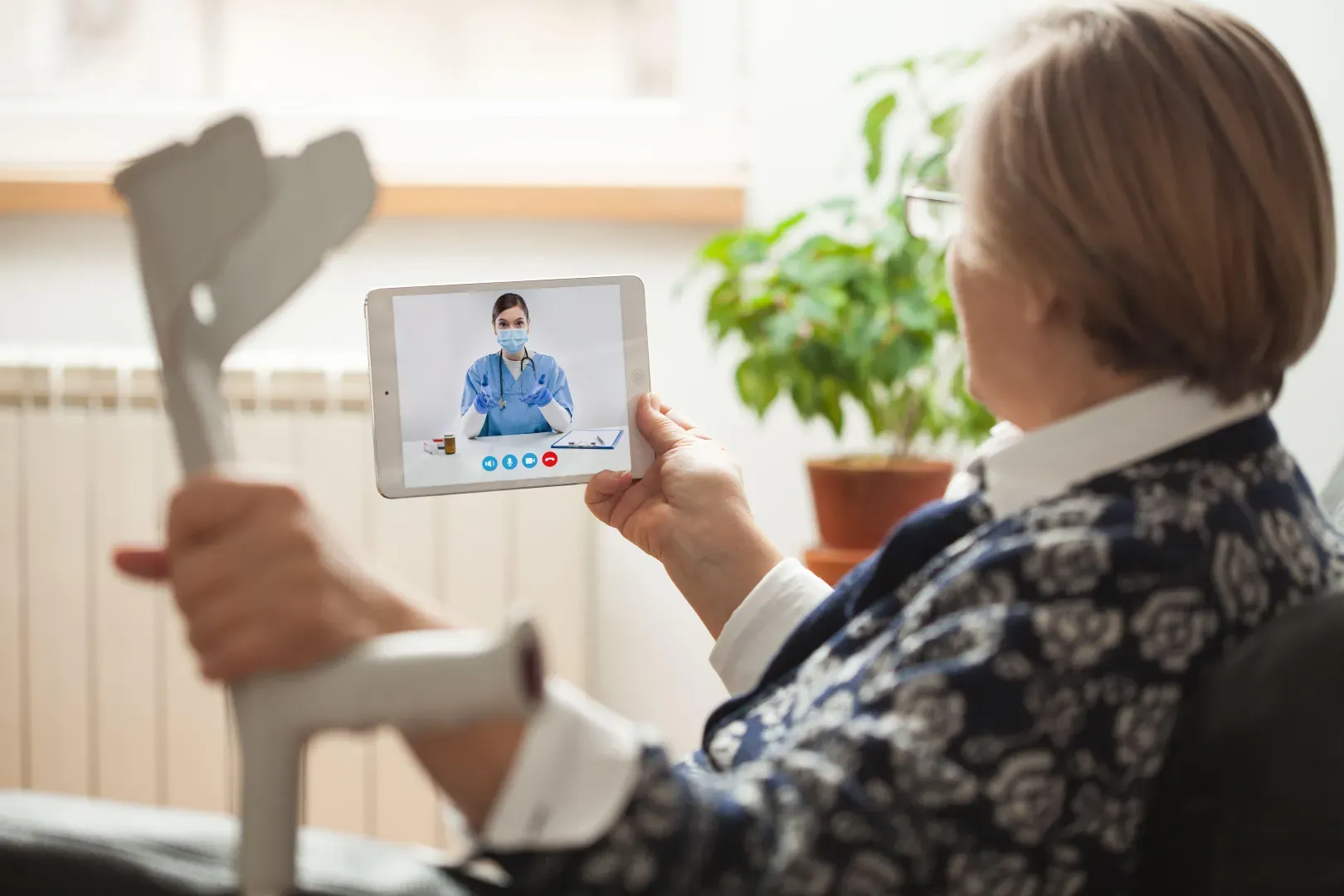
A shift toward digital first healthcare
NHS has confirmed the first group of medical conditions that will be eligible for video appointments, marking a significant milestone in the government’s push to modernize healthcare delivery. The move forms part of a broader vision described by ministers as an online hospital, where digital tools are used to improve access, efficiency, and patient experience without replacing in person care where it is clinically necessary.
What video appointments are designed to achieve
Video consultations are intended to make it easier for patients to access care without the need to travel, take extended time off work, or sit in waiting rooms. For patients with stable or non urgent conditions, virtual appointments can offer quicker check ins, follow up discussions, and medication reviews. From the NHS perspective, the approach aims to reduce pressure on physical clinics while allowing clinicians to manage their time more effectively.
The first conditions included
The NHS has outlined an initial list of conditions considered suitable for video consultations. These typically include issues where diagnosis and monitoring rely heavily on conversation rather than physical examination. Examples include some mental health assessments, routine follow ups for long term conditions, medication reviews, and certain dermatology consultations where visual inspection via camera is sufficient. Officials stress that eligibility depends on clinical judgment and patient circumstances rather than a rigid checklist.
How patients will access video care
Patients will not be required to choose video appointments by default. Instead, clinicians will assess whether a virtual consultation is appropriate and offer it as an option. Patients who prefer face to face care or lack access to suitable technology will continue to be supported through traditional routes. The NHS has emphasized that digital services are meant to expand choice rather than limit it, particularly for older patients or those with complex needs.
Benefits for accessibility and efficiency
Supporters of the initiative argue that video appointments could significantly improve access to healthcare, especially in rural areas or regions facing staff shortages. Shorter appointment times and reduced no show rates may also help the NHS manage growing demand. For patients with mobility issues or caring responsibilities, the ability to attend appointments from home could remove longstanding barriers to care.
Concerns about digital exclusion
Despite the potential benefits, concerns remain about digital exclusion. Not all patients have reliable internet access, suitable devices, or confidence using video technology. There are also clinical concerns about missing subtle physical signs that may only be detected in person. The NHS has acknowledged these risks and says safeguards will be in place, including clear guidance on when in person assessment is required.
Part of a wider government strategy
The rollout aligns with broader healthcare reforms backed by the UK government, which has prioritized digital transformation across public services. Ministers argue that an online hospital model reflects how people now manage other aspects of daily life, from banking to education. However, they also stress that technology should support clinicians rather than replace human judgment.
What this means for patients going forward
For patients, the change signals a gradual evolution rather than an overnight transformation. Video appointments are likely to become more common for suitable conditions, offering added convenience and flexibility. At the same time, the NHS insists that face to face care will remain central to the health system. The long term success of the initiative will depend on striking the right balance between innovation, safety, and inclusivity as digital healthcare becomes a more permanent feature of everyday life.



