Business
New York Hit by Heaviest Snowfall in Years, Triggering Widespread Travel Disruption


New York has been brought to a near standstill after its heaviest snowfall in almost four years blanketed the city and much of the north eastern United States, causing major travel disruption and prompting emergency measures across the state.
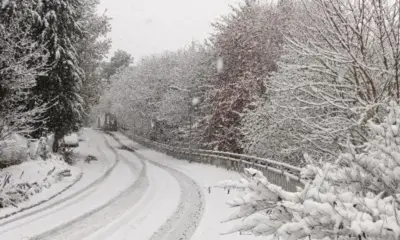
Residents in New York City woke up to snow covered streets, parks and transport hubs as a powerful winter storm swept through the region. Central Park recorded 4.3 inches of snow, the highest accumulation since January 2022, according to the National Weather Service. In other parts of New York State, snowfall totals reached as high as 7.5 inches.
The storm prompted Kathy Hochul to declare a state of emergency across more than half of the state’s counties before the worst conditions arrived. Officials warned that heavy snow, freezing temperatures and gusty winds could create dangerous travel conditions and strain local services.
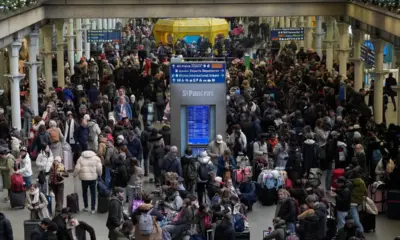
Air travel was among the hardest hit. On Saturday alone, more than 900 flights were cancelled, with the majority affecting airports serving the New York metropolitan area. Thousands more flights were delayed nationwide as the storm disrupted tightly scheduled holiday travel. Data from FlightAware showed over 8,000 delays across the United States, underscoring the storm’s ripple effect far beyond the areas directly affected by snowfall.
Major airports including John F. Kennedy International Airport, LaGuardia Airport and Newark Liberty International Airport experienced significant delays as crews worked to clear runways and de ice aircraft. Airlines urged passengers to check flight status before heading to airports, warning that conditions could change rapidly.
On the ground, road conditions deteriorated quickly as snow accumulated overnight. Ploughs and salt trucks were deployed across the city, but slick roads and reduced visibility slowed traffic. Several highways and local roads across upstate New York also saw closures or restrictions, particularly in areas with heavier snowfall.
Public transport services faced disruption as well. While New York City’s subway system continued operating, commuters reported delays and overcrowding as some bus routes were suspended or diverted due to hazardous conditions. City officials urged residents to avoid unnecessary travel and to allow extra time for essential journeys.
The timing of the storm amplified its impact. Coming just after Christmas, the snowfall disrupted return travel for holiday visitors and complicated logistics for businesses resuming normal operations. Retailers and delivery services also reported delays as workers struggled to reach job sites and supply chains adjusted to weather related interruptions.
Meteorologists said the storm formed as cold Arctic air collided with moisture moving up the eastern seaboard, creating conditions favourable for heavy snowfall. While winter storms are not unusual in the region, the intensity and timing of this system made it particularly disruptive.
Emergency services across the state remained on high alert, responding to weather related incidents including minor vehicle accidents and power outages in some areas. Officials reminded residents to check on vulnerable neighbours, especially older people, and to take precautions against cold related health risks.
Climate experts note that extreme winter weather events can place growing strain on infrastructure, even in regions accustomed to snow. While long term climate trends point to warmer average temperatures, they also suggest increased volatility, with more intense storms occurring over shorter periods.
As the storm began to move eastward, conditions gradually improved in parts of the region. However, authorities warned that freezing temperatures could lead to icy roads and pavements, prolonging hazards even after snowfall subsided.
For many New Yorkers, the snow offered a striking visual contrast to the city’s usual pace, with Central Park transformed into a winter landscape. Yet the disruption served as a reminder of how quickly severe weather can upend daily life in one of the world’s busiest cities.
Cleanup efforts are expected to continue into the coming days as crews work to clear streets and restore normal travel. Officials said further updates would be issued if additional weather systems threaten the region in the days ahead.