Trending
New Year’s Eve Rail Disruption Highlights Vulnerabilities in UK Transport Network

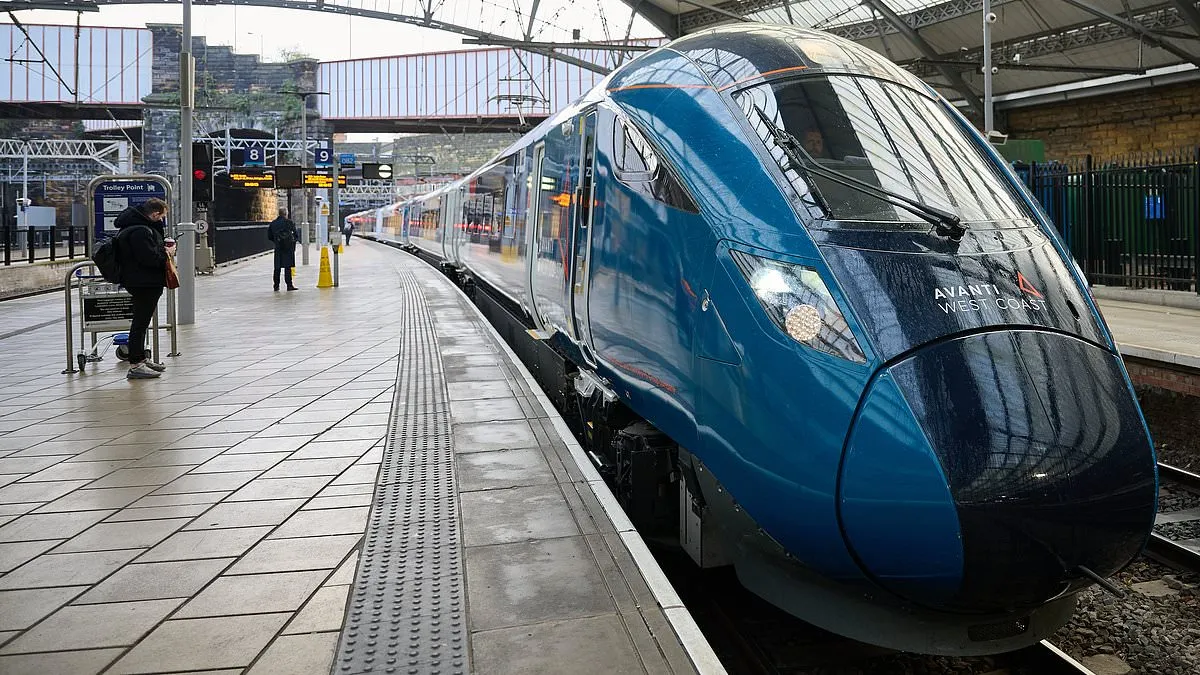
As millions across the UK prepared to travel on New Year’s Eve, significant disruption struck the rail network following a major cable theft in South Yorkshire. The incident affected key routes between Doncaster and Sheffield, leaving passengers facing delays and cancellations during one of the busiest travel periods of the year. The disruption not only caused frustration for travellers but also reignited wider concerns about the resilience and security of Britain’s rail infrastructure.
Early Morning Theft Triggers Widespread Delays
The incident was discovered in the early hours of the morning, with rail authorities alerted at around 04:00 GMT. Approximately 200 metres of signalling cable were stolen from the railway line, severely affecting train operations on several routes in the region. Signalling cables play a critical role in ensuring trains run safely and on schedule, meaning even small scale thefts can have outsized consequences.
Engineers were dispatched quickly to assess and repair the damage, but the scale of the theft meant disruption continued throughout the day. Passengers were warned to expect delays and cancellations until the end of New Year’s Eve, a message that complicated travel plans for commuters, holidaymakers, and those heading to celebrations.
Impact on Passengers and Services
According to Network Rail, the theft led to 13 train cancellations and caused 83 services to be delayed. In total, delays amounted to more than 15 and a half hours across the network. For many passengers, this meant missed connections, longer journeys, and uncertainty at stations during cold winter conditions.
Major travel hubs in the affected area experienced congestion as travellers sought alternative routes or waited for updates. Rail staff worked to manage passenger flow and provide information, but the timing of the disruption amplified its impact. New Year’s Eve traditionally sees high passenger volumes, with limited flexibility in travel schedules.
Cable Theft as a Recurring National Issue
Cable theft has long been a challenge for the UK rail network, particularly due to the high resale value of copper. Despite increased security measures in recent years, incidents continue to occur, often targeting remote or less monitored sections of track. Each theft not only results in financial losses but also undermines public confidence in rail reliability.
Industry estimates suggest that cable theft costs the rail sector millions of pounds annually when repair costs, compensation, and operational disruption are taken into account. Beyond the financial impact, the disruption affects economic activity, especially during peak travel periods tied to holidays and major events.
Safety and Security Concerns for Critical Infrastructure
While this incident did not result in injuries, signalling cable theft poses serious safety risks. Disrupting signalling systems can compromise the safe movement of trains, requiring operators to slow or halt services until systems are fully restored and tested. This necessity explains why even rapid repair efforts cannot always prevent prolonged disruption.
Transport analysts have repeatedly called for stronger preventative measures, including improved surveillance, tougher penalties for metal theft, and closer cooperation with scrap metal dealers. Some have also suggested increased use of alternative materials that are less attractive to thieves, though such changes require long term investment.
A Frustrating End to the Year for Rail Users
For passengers affected by the South Yorkshire disruption, the incident served as an unwelcome reminder of the fragility of transport systems during critical moments. While repair crews worked throughout the day to keep services moving, the knock on effects lingered into the evening.
As the UK looks ahead to future holiday travel periods, the New Year’s Eve disruption underscores the importance of protecting essential infrastructure. Preventing similar incidents will be key not only to improving reliability but also to restoring passenger trust in the rail network.