Latest News
New Fire Safety Law Branded Spineless as Industry Warns of Ongoing Major Fire Risks

Proposed government plans to turn post Grenfell fire safety guidance into law are facing strong criticism from within the construction industry, with warnings that the changes could still leave residents exposed to serious fire risks. A senior industry figure has described the planned legislation as weak and dangerously open to interpretation.
David Jones, president of the Institute of Construction Management, says the guidance for multi storey residential buildings fails to set firm standards and allows too many risks to be classed as acceptable. In his view, this approach creates loopholes that developers can exploit while claiming they remain compliant with the law.
One of the most troubling issues, according to Jones, is the continued tolerance of flammable materials in parts of building design such as window systems and gaps between floors. He argues that even when these elements could help a fire spread rapidly, the guidance allows them to remain if they fall within loosely defined limits. Turning such guidance into law, he says, would give legal cover to unsafe practices rather than eliminate them.
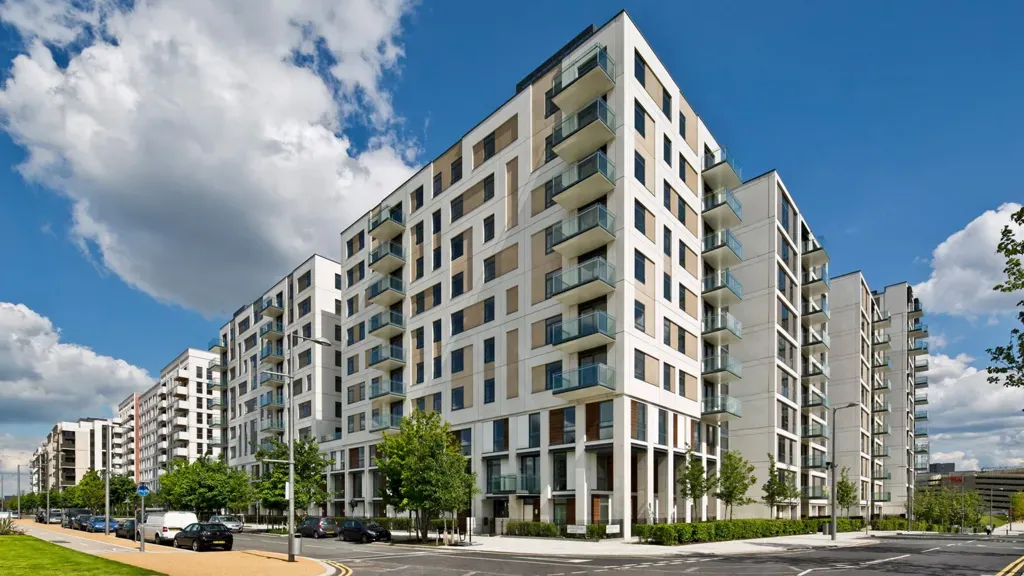
His comments come amid ongoing concerns about fire safety in residential developments across the country. In parts of Stratford’s East Village, for example, fire safety issues were previously identified in blocks of flats, some of which have since been addressed, while others highlighted how complex and slow the remediation process can be.
Jones, who has spent more than five decades in the industry, says the proposals risk repeating mistakes made before the Grenfell Tower tragedy. He believes meaningful reform requires strict, unambiguous rules that prioritise resident safety over cost savings or design flexibility.
The government has argued that formalising guidance will improve consistency and enforcement. Critics, however, say weak laws can be more dangerous than none at all, as they give the illusion of safety while allowing hazards to persist.
As pressure mounts, the debate underlines the continuing struggle to rebuild trust in building safety regulation and to ensure that lessons from past disasters lead to real and lasting change.