
Tech
New Drone Rules Catch Many UK Owners by Surprise

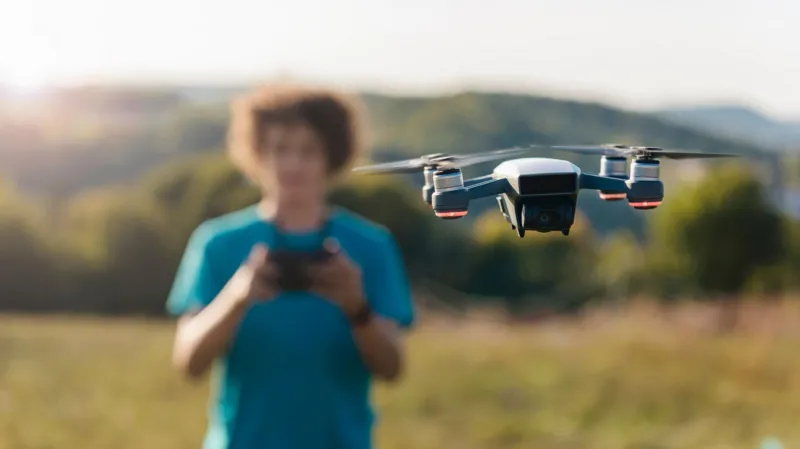
Thousands of people across the UK who received drones as Christmas gifts are discovering that flying them outdoors now comes with new legal requirements. From 1 January, a significant expansion of aviation rules means many new drone users must pass an online theory test before taking to the skies. The change reflects growing concern over airspace safety as consumer drone ownership continues to rise rapidly.
What Has Changed for Drone Flyers
Under the updated rules, anyone planning to fly a drone or model aircraft weighing 100 grams or more outdoors must obtain a Flyer ID. This requires completing an online theory test administered by the Civil Aviation Authority. Previously, this requirement applied mainly to heavier drones, leaving many lighter consumer models exempt.
The rule change significantly expands the number of people covered by regulation. Many entry level drones fall just above the 100 gram threshold, meaning casual users and first time owners are now subject to the same basic training standards as more experienced hobbyists.
Why the Rules Were Tightened
The UK has seen a sharp increase in drone ownership over recent years, driven by falling prices and improved ease of use. While drones offer creative and commercial opportunities, they also pose risks when flown irresponsibly or without awareness of aviation laws.
Regulators have cited near misses with aircraft, privacy complaints, and unsafe flying near crowds or restricted areas as key drivers behind the updated rules. By requiring more users to pass a theory test, authorities aim to ensure a baseline understanding of airspace restrictions, safety distances, and legal responsibilities.
What the Theory Test Covers
The online test focuses on practical knowledge rather than advanced technical skills. Topics include where drones can and cannot be flown, how to avoid people and buildings, and what to do in emergency situations. The test also covers privacy obligations and the consequences of breaking aviation laws.
The process is designed to be accessible. It can be completed online, typically takes under an hour, and results in a Flyer ID that is valid for several years. While some users may see the test as an inconvenience, aviation officials argue it is a reasonable step to improve safety without placing excessive barriers on hobby flying.
Impact on Casual and First Time Users
The rule change is likely to affect casual users most. Many people who buy drones for photography, holidays, or recreational use may not follow aviation news closely and could be unaware of the new requirement. Flying without the appropriate ID could result in fines or confiscation of equipment.
Retailers and drone communities have begun urging new owners to check the weight of their devices and complete the test before flying. Industry observers expect a short term spike in test registrations as people adjust to the updated rules.
Balancing Innovation and Regulation
From a technology policy perspective, the new requirement reflects the challenge of balancing innovation with public safety. Drones are becoming increasingly capable, with features such as automated flight paths and obstacle avoidance. However, these features do not eliminate risks, particularly in shared airspace.
By expanding basic training requirements, regulators hope to foster a culture of responsible use while allowing the drone ecosystem to continue growing. Commercial operators already face stricter certification standards, and this move brings recreational flying closer to those norms without fully professionalising the hobby.
What Drone Owners Should Do Next
New and existing drone owners are being encouraged to familiarise themselves with the updated rules before flying. Completing the theory test not only ensures legal compliance but also helps users better understand how to fly safely and respectfully.
As drones become a permanent feature of everyday technology, education is increasingly seen as essential rather than optional. The updated rules mark another step in integrating drones responsibly into UK airspace, ensuring that enjoyment of the technology does not come at the expense of public safety.



