
Business
Nestle recalls baby formula worldwide over potential toxin contamination

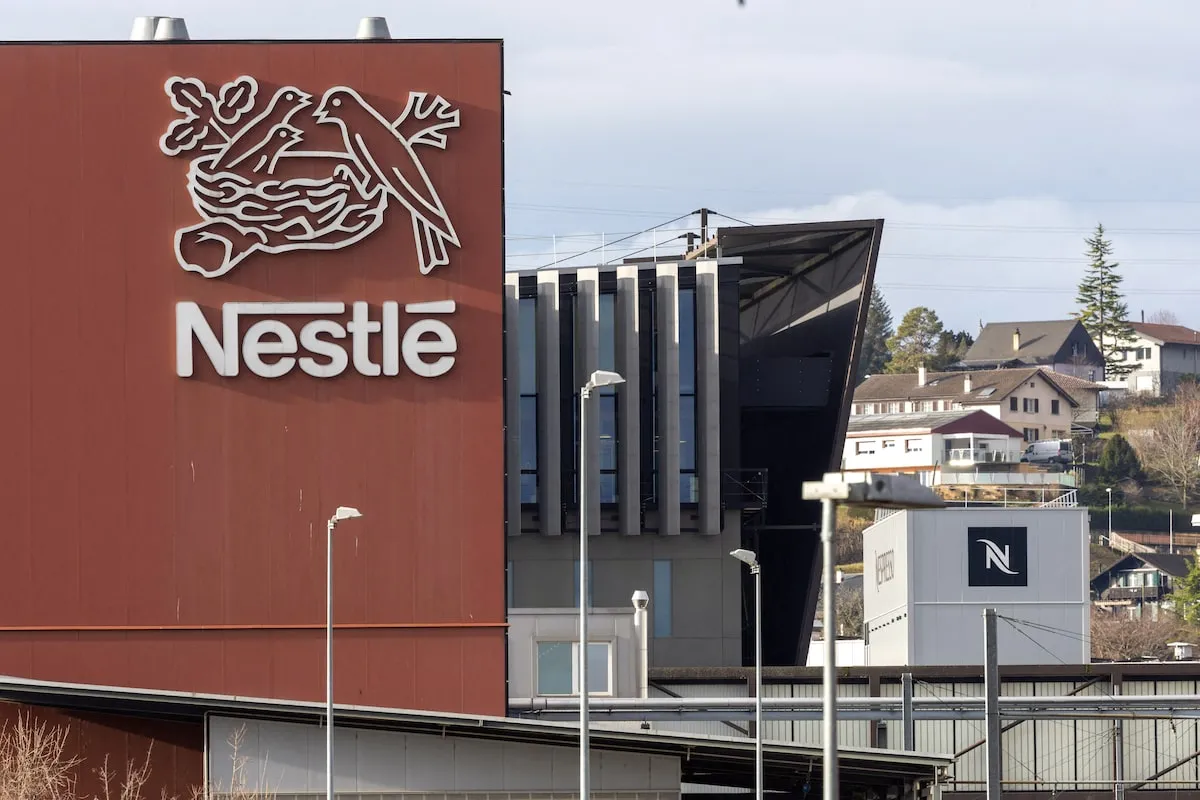
Nestle has announced a worldwide recall of certain baby formula products after identifying a potential contamination risk that could lead to food poisoning. The recall applies to specific batches of its SMA infant formula and follow on formula, which the company says should not be fed to babies under any circumstances. According to Nestle, the affected products were distributed across multiple international markets, prompting a coordinated global response rather than a country specific action.
The company explained that internal checks raised concerns that the formula may contain cereulide, a toxin known to cause symptoms such as nausea and vomiting when ingested. While no confirmed cases of illness linked to the recalled batches have been reported so far, Nestle said the decision was taken as a precaution to protect infant health and maintain consumer trust.
Understanding the toxin and potential risks
Cereulide is a toxin produced by certain strains of bacteria and is most commonly associated with food poisoning incidents. In vulnerable groups such as infants, exposure to even small amounts can raise serious concerns, making early intervention critical. Health experts note that symptoms typically include vomiting and gastrointestinal distress, which can be particularly dangerous for babies due to the risk of dehydration.
Nestle stressed that the recall does not affect all SMA products, but only clearly identified batches. Parents and caregivers have been advised to check product codes carefully and stop using the formula immediately if it matches the recalled listings. The company is also working with retailers and health authorities to ensure affected items are removed from shelves as quickly as possible.
Why Nestle acted before any illnesses were reported
One notable aspect of the recall is that it was issued despite the absence of confirmed illnesses. Nestle described the move as being taken out of caution, reflecting a wider shift in the food industry toward earlier intervention when potential risks are detected. By acting before any harm was reported, the company aims to reduce exposure risk and demonstrate a strong commitment to consumer safety.
In a public statement, Nestle emphasised that the safety and wellbeing of babies remains its top priority. It also issued an apology to parents and caregivers for the concern and inconvenience caused, acknowledging the anxiety that product recalls involving infant nutrition can create.
Impact on parents and consumer confidence
For many families, baby formula is an essential product relied upon daily, and recalls can significantly undermine confidence. Parents may feel uncertain about alternative feeding options or concerned about whether they have already used the affected formula. Experts advise caregivers who are worried to consult healthcare professionals and follow official guidance from retailers or public health agencies.
While recalls can damage brand reputation in the short term, transparent communication and swift action often help companies rebuild trust. Nestle’s clear messaging and global coordination may limit longer term fallout, particularly if no illnesses ultimately emerge.
What this means for the baby food industry
The incident highlights the intense scrutiny facing the baby food sector, where safety standards are higher than in most other food categories. It also underscores the importance of rigorous quality control and rapid response systems in global supply chains. As regulators and consumers demand greater transparency, companies are increasingly expected to err on the side of caution.
This recall serves as a reminder that even established multinational brands are not immune to safety challenges. How companies respond can be just as important as the issue itself, shaping public perception and trust well beyond the immediate event.



