News
Maduro Signals Willingness for US Talks as Pressure Mounts on Venezuela

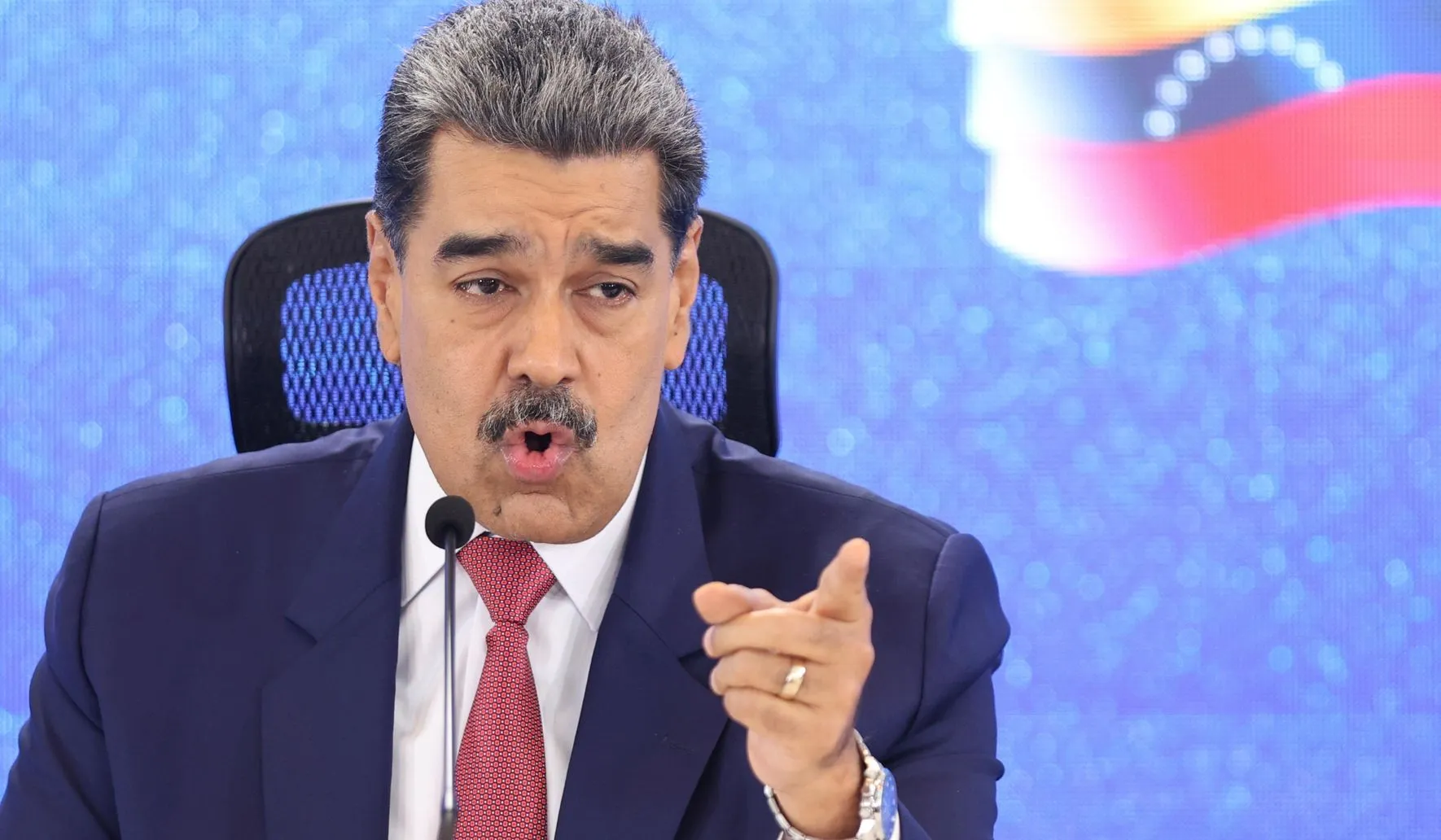
Venezan President Nicolás Maduro has said his government is open to talks with the United States on drug trafficking and oil cooperation, marking a possible shift in tone after weeks of rising pressure on Caracas from Washington. The remarks come amid heightened regional security operations and renewed diplomatic tension between the two countries.
Speaking in a televised interview on Venezuelan state television on Thursday, Maduro said he was ready for dialogue with the United States without conditions. He stated that Venezuela was willing to engage wherever and whenever US officials chose, adding that communication channels should remain open even during periods of disagreement. His comments appeared aimed at signalling flexibility while maintaining a firm stance on national sovereignty.
Maduro’s remarks follow an intensified US campaign targeting narcotics trafficking routes in the Caribbean and eastern Pacific. Over the past three months, US forces have intercepted and struck vessels suspected of transporting illegal drugs, operations that US officials say are designed to disrupt criminal networks operating across the region. Venezuela has long been accused by Washington of being a transit point for drug smuggling, allegations the Maduro government has repeatedly denied.
During the interview, Maduro avoided directly addressing a controversial statement made by US President Donald Trump, who claimed that American forces had struck a docking facility inside Venezuela. The alleged operation would mark the first reported attack of its kind within Venezuelan territory and was widely attributed by US media to the Central Intelligence Agency. Venezuelan officials have not confirmed the incident, and Maduro declined to comment on the claim when asked.
Analysts say Maduro’s decision to sidestep the issue reflects a careful balancing act. Acknowledging a foreign strike could escalate tensions, while denying it outright risks undermining domestic credibility. Instead, his focus on dialogue suggests an attempt to reduce pressure while keeping the spotlight on diplomatic engagement rather than confrontation.
Oil also featured prominently in Maduro’s comments. Venezuela holds some of the world’s largest proven oil reserves, but its energy sector has been severely affected by years of US sanctions, mismanagement and infrastructure decay. Any talks with Washington could potentially touch on limited sanctions relief or cooperation related to energy markets, particularly as global oil dynamics remain volatile.
Relations between the two countries have been strained for years, with the US recognising opposition figures rather than Maduro as Venezuela’s legitimate leader and imposing sweeping economic sanctions. Despite this, both sides have occasionally engaged in quiet negotiations, especially on issues such as prisoner exchanges and energy supplies.
Regional observers say Maduro’s statement may be aimed at testing Washington’s appetite for renewed engagement ahead of shifting political priorities in the Americas. It also sends a message to regional allies that Caracas is not seeking isolation but rather controlled dialogue on specific issues.
For now, there has been no official response from Washington to Maduro’s offer. Whether talks materialise will depend on broader geopolitical considerations, including US domestic politics, regional security concerns and Venezuela’s internal political situation.
As pressure continues to build through sanctions and security operations, Maduro’s call for talks highlights a familiar pattern in US Venezuela relations, confrontation paired with intermittent gestures toward negotiation. Whether this moment leads to meaningful dialogue or fades into diplomatic posturing remains uncertain.