
Latest News
London’s Hidden Role in Shaping the Christmas Traditions We Still Celebrate Today

Many of the Christmas traditions people across Britain and beyond enjoy each year can trace their origins back to London, long before they became festive staples around the world. While Christmas often feels timeless, several customs were shaped by life in the capital during the Victorian era, when celebration, commerce, and family rituals began to merge.
The Christmas tree is often credited to German influence, and while that is partly true, its rise in Britain was firmly rooted in London. Queen Victoria and Prince Albert popularised the tree after illustrations of their decorated Windsor home captured public imagination. Yet the earliest London connection goes back even further to Queen Charlotte, who is believed to have brought a decorated branch indoors while living in the capital, setting the scene for a tradition that soon spread across the city.
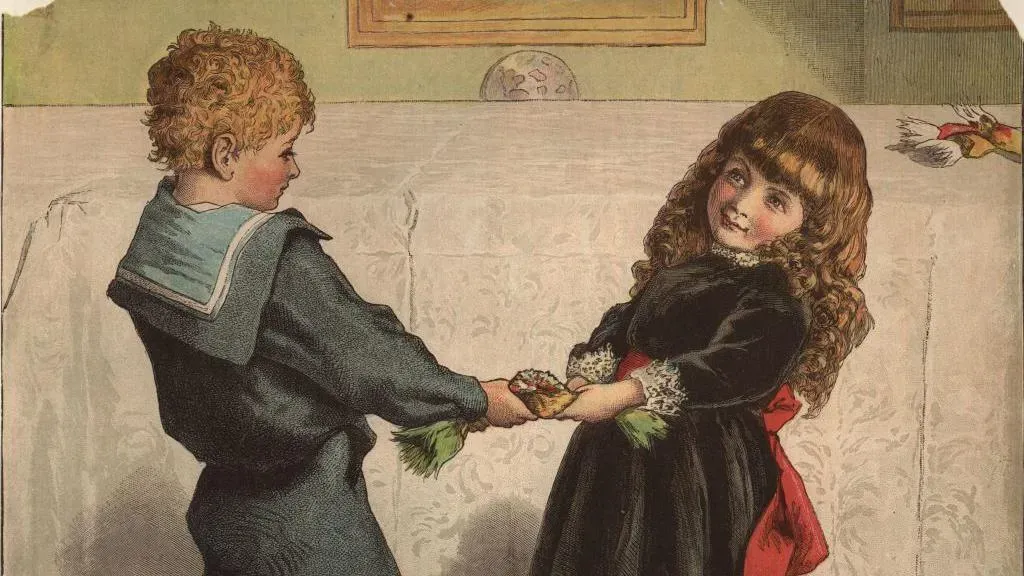
Christmas crackers are another London born invention. First created in the mid nineteenth century by a confectioner inspired by French bonbons, they quickly became a must have item on festive tables. Their snap, paper hats, and jokes were designed for shared moments, reflecting the growing importance of family gatherings during Victorian London’s social boom.
Christmas cards also began in the capital, emerging as postal services expanded and printing became cheaper. Londoners embraced the idea of sending festive greetings, turning what was once a novelty into a nationwide habit. Even Christmas lights owe part of their early popularity to the city, where public displays helped brighten dark winter streets and draw shoppers into busy commercial areas.
Together, these traditions reveal how London helped transform Christmas into the warm, familiar celebration it is today. What began as small ideas in the capital grew into customs that now define the season for millions, proving that Christmas, in many ways, carries a distinctly London accent.



