News
London Travellers Face Uncertainty After Middle East Conflict Grounds Flights


Passengers attempting to return to London from parts of Asia and the Gulf have been left stranded after widespread airspace closures linked to escalating conflict in the Middle East triggered mass flight cancellations.
Among those affected is a London based journalist who had planned to travel home from Sri Lanka via Abu Dhabi. Her early morning connection was cancelled with only a few hours’ notice after airspace restrictions halted services. She says communication from the airline has been limited, leaving passengers unsure when they will be able to rebook or whether additional costs will be covered.
Large sections of Middle Eastern airspace have been closed as tensions between Iran, the United States and Israel intensify. Airlines operating through major hubs such as Abu Dhabi and Dubai have either suspended flights or significantly reduced schedules. Only a small number of services are currently operating, and availability remains extremely limited.
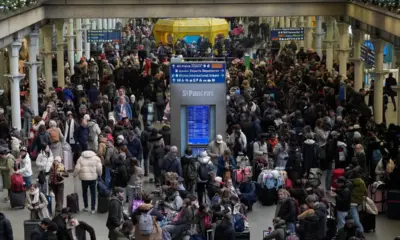
Travellers report long queues at airports and difficulty accessing customer service channels. Many say they have struggled to reach airline representatives via phone or online chat, with some describing hours of waiting without clear guidance. The uncertainty has added financial strain as hotel and meal costs accumulate during extended stays abroad.
Flight search platforms show sharply increased fares on alternative routes to the UK, particularly for indirect journeys through unaffected regions. Some tickets that would typically cost a few hundred pounds are now listed at several thousand pounds due to reduced capacity and high demand. Industry analysts note that such price spikes are common during sudden supply disruptions.
The UK government has acknowledged the situation and said it is monitoring developments closely. Prime Minister Sir Keir Starmer stated that travel conditions may remain challenging for some time and confirmed that officials are exploring ways to assist British nationals impacted by the disruption.
Airlines have advised customers not to travel to airports unless they have received direct confirmation of a rebooked flight. Many carriers are offering rebooking options once services resume, though the timeline depends on regional security assessments and airspace reopening decisions.
Travel insurance may not always provide a safety net in these circumstances. Standard policies frequently exclude claims related to acts of war or large scale geopolitical events, meaning some travellers may need to absorb additional accommodation and subsistence expenses themselves.
Aviation experts say the situation underscores the interconnected nature of global air travel. Key transit hubs in the Gulf serve as major gateways between Europe, Asia and Australia. When these corridors are disrupted, the ripple effects extend far beyond the immediate conflict zone.
As airlines adjust schedules and governments assess security risks, passengers remain in limbo, waiting for confirmation of safe routes back to the UK. With limited flights operating and demand exceeding supply, the coming days are expected to remain unpredictable for London bound travellers.