Latest News
London Teen Lost Years While Paperwork Kept Moving

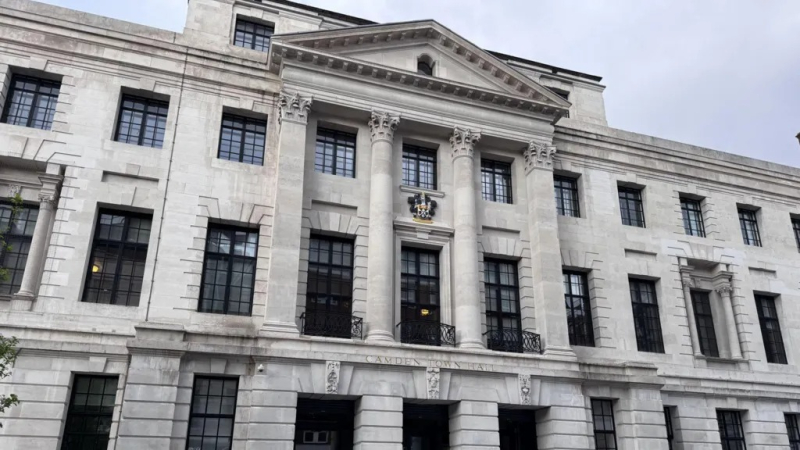
For years, the system kept moving while a teenager stood still. A report has found that a north London boy with complex needs was left without the education support he was legally entitled to for more than two years, not because the help was unavailable, but because responsibility kept slipping between process and delay. The teenager, identified only as Y, required specialist home based provision linked to autism, dyslexia and social development. Instead, his case became trapped in administrative dispute, leaving him without structured education during a critical period of his life. The ruling concluded that the failure caused significant injustice not only to the boy but also to his mother, who spent years navigating appeals, correspondence and silence while watching her son fall further behind.
At the centre of the case was Camden Council, which challenged a special educational needs tribunal decision that had set out the support Y should receive. That appeal temporarily paused the council’s legal duty to provide the package, leaving the teenager in limbo for months. When the appeal was eventually dismissed, the expectation was that support would follow swiftly. Instead, the report found further delays and incomplete delivery, despite later efforts by the council to adjust provision. The watchdog noted that while some steps were eventually taken, they did not fully correct the original failure, nor did they address the lost time that could not be recovered.
The impact on the family was both financial and emotional. Y’s mother was forced to arrange and pay for private tutoring to fill the gap left by the absence of council support, while also enduring prolonged uncertainty about when official help would arrive. The report described her experience as significantly distressing, highlighting how delays in complaint handling compounded the situation. In total, the council was ordered to reimburse more than £38,000, covering both private education costs and compensation for the years of missed provision. The sums underline how expensive delay becomes when families are left to bridge gaps that should never have existed.
Cases like this expose a quieter crisis within local government, where statutory duties exist on paper but collapse under pressure in practice. Demand for SEND support continues to rise across London, while councils face stretched budgets and legal complexity. For families, the result is often a prolonged fight for what has already been agreed. The council has apologised and said it is strengthening its processes, but the report leaves a lingering question. When support arrives years too late, the system may technically correct itself, yet the damage done to a young person’s development remains beyond any repayment or formal apology.