Latest News
London Pays More as Phones Keep Disappearing

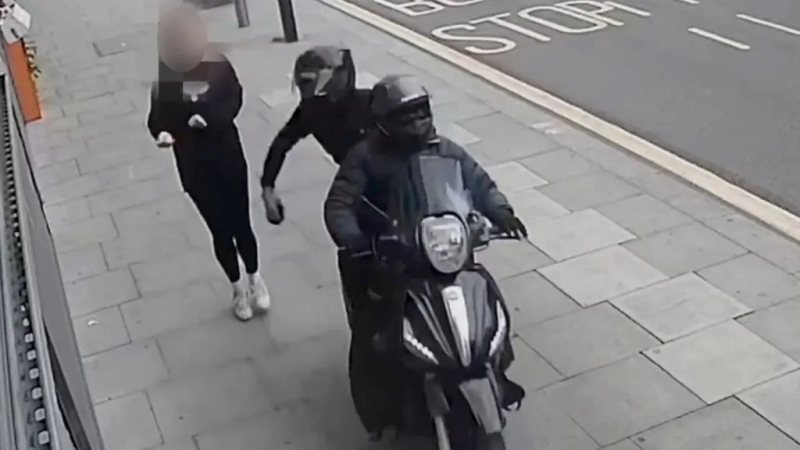
Few things feel more London in 2026 than checking your balance, checking your phone, and wondering which one is about to disappear first. City Hall has now decided the answer may involve paying a little more for both. Londoners could soon see their council tax bills rise as the city looks for fresh money to tackle a surge in mobile phone theft that has turned pavements into hunting grounds. The proposal would push the City Hall share of the average Band D bill past the £500 mark for the first time, a symbolic threshold that reflects how visible the problem has become. With phone snatching now a daily reality in busy areas, the move frames public safety as something residents must directly bankroll, even as frustration grows over how long it took to reach this point.
The plan, announced by Sir Sadiq Khan, would add just over £20 a year to the average bill, with most of that increase earmarked for policing. City Hall argues the money would fund new tactics aimed specifically at tackling phone theft, alongside broader neighbourhood policing. The numbers behind the decision are stark. More than 117,000 phones were stolen across London last year, a sharp rise compared with pre pandemic figures, while charges or convictions remain rare. Critics say the surge has been obvious for years, pointing to warning signs on shopping streets and viral videos of thieves using mopeds and e bikes to vanish within seconds. For them, the tax rise feels less like prevention and more like catching up.
Supporters of the proposal say the Metropolitan Police has been squeezed for resources and needs targeted funding to respond effectively. The additional revenue is expected to contribute to a record policing budget next year, helping to close a looming financial gap while also supporting other services such as the fire brigade. Yet the debate exposes a familiar London tension between visible street level crime and the slow machinery of funding and governance. Residents are being asked to accept higher bills in exchange for safer pavements, even as trust in enforcement remains fragile. The promise is that more officers and better tools will finally disrupt organised theft rings that treat phones as fast cash.
Beyond the immediate issue of stolen devices, the budget proposal reveals how everyday crime now shapes major policy choices. Phone theft is no longer dismissed as petty or inevitable but treated as a quality of life crisis that influences how people move through the city. Whether the council tax rise delivers the crackdown being promised will determine how willing Londoners are to keep paying more for protection. For now, the message is clear: in a city where your phone is your wallet, your map and your lifeline, keeping it safe has become a collective expense.